
Oil prices rise as US and Iran exchange strikes, putting peace deal in doubt
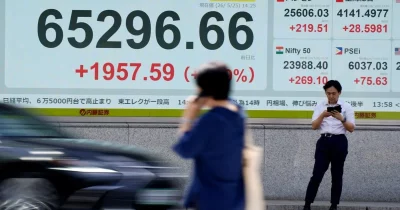
Escalating military tensions between the US and Iran are driving oil prices higher, threatening to derail diplomatic negotiations. The geopolitical conflict carries significant implications for global inflation, financial stability, and cryptocurrency markets, which often move inversely to traditional safe-haven assets during periods of uncertainty.
The US-Iran military escalation represents a critical geopolitical flashpoint with cascading economic consequences. Rising oil prices resulting from conflict-driven supply concerns directly feed into global inflationary pressures, a dynamic that affects monetary policy decisions across developed economies. Central banks already grappling with inflation management face heightened uncertainty, which typically translates into volatile equity and cryptocurrency markets.
Historically, geopolitical conflicts have created divergent market reactions. Traditional safe-haven assets like the US dollar and treasuries tend to appreciate during crises, while riskier assets including cryptocurrencies experience selling pressure as investors reduce leverage and seek liquidity. The oil price mechanism amplifies these effects—higher energy costs reduce corporate profit margins and consumer spending power, creating headwinds for growth-dependent assets.
For cryptocurrency investors and digital asset markets, this situation presents a mixed picture. Bitcoin and other cryptocurrencies have demonstrated increasing correlation with broader risk-on sentiment in recent years, meaning geopolitical shocks typically trigger sell-offs. However, oil price spikes also raise inflation expectations, which can support longer-term crypto narratives around hard assets and inflation hedges.
The diplomatic dimension matters equally. A failed peace deal removes a potential stabilizing factor and suggests sustained elevated geopolitical risk. Investors should monitor oil futures prices, USD strength, and equity market volatility as leading indicators for crypto market direction. Central bank communications regarding inflation response become critical inflection points. The immediate impact likely favors dollar strength and risk-off positioning, but prolonged tensions could eventually validate inflation-hedge narratives that support alternative asset classes.
- →US-Iran military tensions are pushing oil prices higher, intensifying global inflationary pressures.
- →Geopolitical conflicts typically trigger risk-off sentiment, creating headwinds for cryptocurrencies and growth assets.
- →Rising energy costs reduce consumer purchasing power and corporate margins, affecting broader economic growth.
- →Crypto markets may face near-term selling pressure but could benefit from longer-term inflation-hedge narratives.
- →Central bank monetary policy responses to inflation spikes will be a key determinant of asset class performance.