
Russia’s crude output falls to lowest in a year as Ukrainian drone strikes hammer oil infrastructure
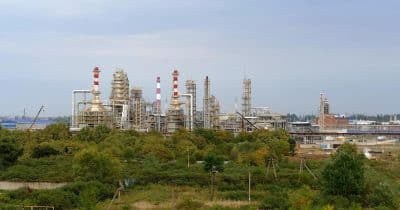
Russian crude oil production has fallen to its lowest level in a year following sustained Ukrainian drone strikes targeting oil infrastructure. The reduction in supply threatens to create global energy market disruptions, potentially affecting oil prices and broader economic stability.
Ukraine's strategic campaign against Russian petroleum infrastructure represents a significant escalation in the hybrid warfare dimension of the ongoing conflict. By targeting refineries, pipelines, and storage facilities, Ukrainian forces have successfully constrained Moscow's energy export capacity without direct conventional military engagement. This approach circumvents traditional defenses and creates cascading economic pressure on the Russian economy while reducing available supply for global markets.
The broader context involves energy markets already operating with tight margins following OPEC production adjustments and post-pandemic demand recovery. Russia typically supplies roughly 10% of global crude oil, making any substantial production decline a meaningful market variable. The infrastructure damage requires significant repair time and capital investment, suggesting these production losses will persist rather than resolve quickly.
Market participants face dual exposure: potential upward pressure on oil prices due to reduced supply, and broader macroeconomic uncertainty stemming from geopolitical instability. Energy-intensive sectors, including cryptocurrency mining operations that depend on cost-effective power, face potential margin compression if electricity costs rise alongside crude prices. Investors in energy commodities and related derivatives should monitor production recovery timelines, while those exposed to emerging market currencies tied to petrostates face depreciation risks.
The trajectory depends on Russia's infrastructure repair speed and Ukraine's continued operational capability. Sustained supply disruptions could trigger OPEC+ production increases or accelerate strategic petroleum reserve releases, while rapid repairs would reverse price pressures. Geopolitical de-escalation remains the primary variable determining whether this represents a temporary shock or structural market disruption.
- →Russian crude production hit one-year lows due to Ukrainian drone strikes on oil infrastructure
- →Supply disruptions may increase global oil prices and affect energy-dependent industries including crypto mining
- →Infrastructure damage suggests prolonged production constraints rather than quick recovery
- →Emerging market currencies and energy-dependent economies face additional economic pressure
- →Oil market dynamics could trigger OPEC+ responses or strategic reserve releases