
Soccer players adopt high-tech cooling gear to combat heat during World Cup 2026
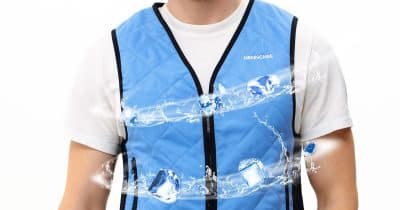
Soccer players will use advanced cooling technology during the 2026 World Cup to manage heat exposure and improve performance. This development highlights how sports technology innovations addressing athlete safety in extreme conditions could have broader applications across industries and inspire future wearable tech designs.
The adoption of high-tech cooling gear at the 2026 World Cup represents a convergence of athlete safety concerns and technological innovation in professional sports. As climate change increases global temperatures and hosts face hotter conditions, sports organizations are investing in performance-enhancing equipment that prioritizes player welfare during physically demanding competitions. This shift reflects a broader recognition that extreme heat poses genuine risks to athlete health, particularly during extended tournaments played in summer months across diverse climates.
The cooling gear market has grown substantially as manufacturers like Adidas develop advanced textile technologies and wearable solutions. These innovations typically incorporate phase-change materials, moisture-wicking fabrics, and sometimes active cooling systems that regulate body temperature during intense physical activity. The World Cup's global visibility provides significant exposure for these technologies, potentially accelerating adoption across professional and amateur sports.
From an industry perspective, successful deployment at this scale could drive investment in sports tech startups focused on thermoregulation and athlete monitoring. The market for specialized sports equipment and wearables continues expanding as teams recognize that marginal performance improvements influence competitive outcomes. Equipment manufacturers gain valuable data from elite athletes testing these systems under extreme conditions, informing product development cycles.
Looking ahead, expect to see cooling gear becoming standard equipment for outdoor sports in hot climates, similar to how protective gear became mandatory. Cross-industry applications may emerge in military, construction, and industrial sectors where workers face heat stress. The technology could also integrate with biometric monitoring systems to create comprehensive athlete wellness platforms that track hydration, core temperature, and performance metrics simultaneously.
- →High-tech cooling gear addresses legitimate athlete safety concerns during heat-intensive competitions like the 2026 World Cup.
- →Sports technology innovations driven by elite competition often influence broader consumer and industrial markets.
- →Cooling gear manufacturers gain valuable real-world testing data and marketing benefits from World Cup visibility.
- →Integration with biometric monitoring systems could create more comprehensive athlete performance and health platforms.
- →Success in soccer may accelerate cooling technology adoption across outdoor sports, military, and industrial applications.