AINeutralCrypto Briefing · Jun 277/10
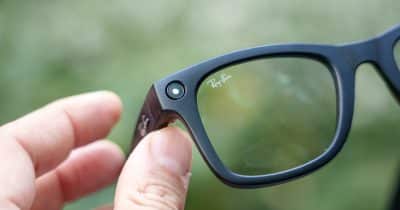
🧠Meta has captured 84% of the smart glasses market, leveraging AI integration to establish significant competitive advantage. This dominance reflects broader industry consolidation around AI-powered wearables and may reshape consumer technology adoption patterns.
AIBearisharXiv – CS AI · Jun 237/10
🧠Researchers propose IMU-DM-CLIP, a backdoor attack technique using diffusion models to compromise human activity recognition systems powered by IMU sensors. The attack succeeds with minimal data injection (10%), raising security concerns for IoT and wearable device applications relying on sensor-based machine learning.
AIBullisharXiv – CS AI · May 127/10
🧠Researchers have developed M2AE, a cross-modal foundation model trained on 3.4 million paired ECG and PPG signals that creates compact 'biosignal fingerprints' for cardiovascular monitoring. These privacy-preserving representations enable accurate disease detection and risk prediction across multiple clinical tasks while functioning with single-sensor wearables, addressing the scalability gap between diagnostic-grade ECG and ubiquitous PPG sensors.
GeneralNeutralThe Verge – AI · Jun 236/10
📰Meta has launched its own branded smart glasses without Ray-Ban partnership for the first time in three years, offering multiple styles and colors including a collaboration with Kylie Jenner at a lower price point. This strategic pivot away from the EssilorLuxottica partnership marks a significant shift in Meta's wearables strategy and could reshape the consumer smart glasses market.
AIBearishWired – AI · Jun 86/10
🧠Meta has removed face-recognition code from its Meta AI smart glasses app following a WIRED investigation, though the company has not disclosed why or whether the feature will return. The deletion raises questions about Meta's privacy practices and the oversight of facial recognition technology in consumer devices.
🏢 Meta
GeneralNeutralGoogle Research Blog · Jun 46/10
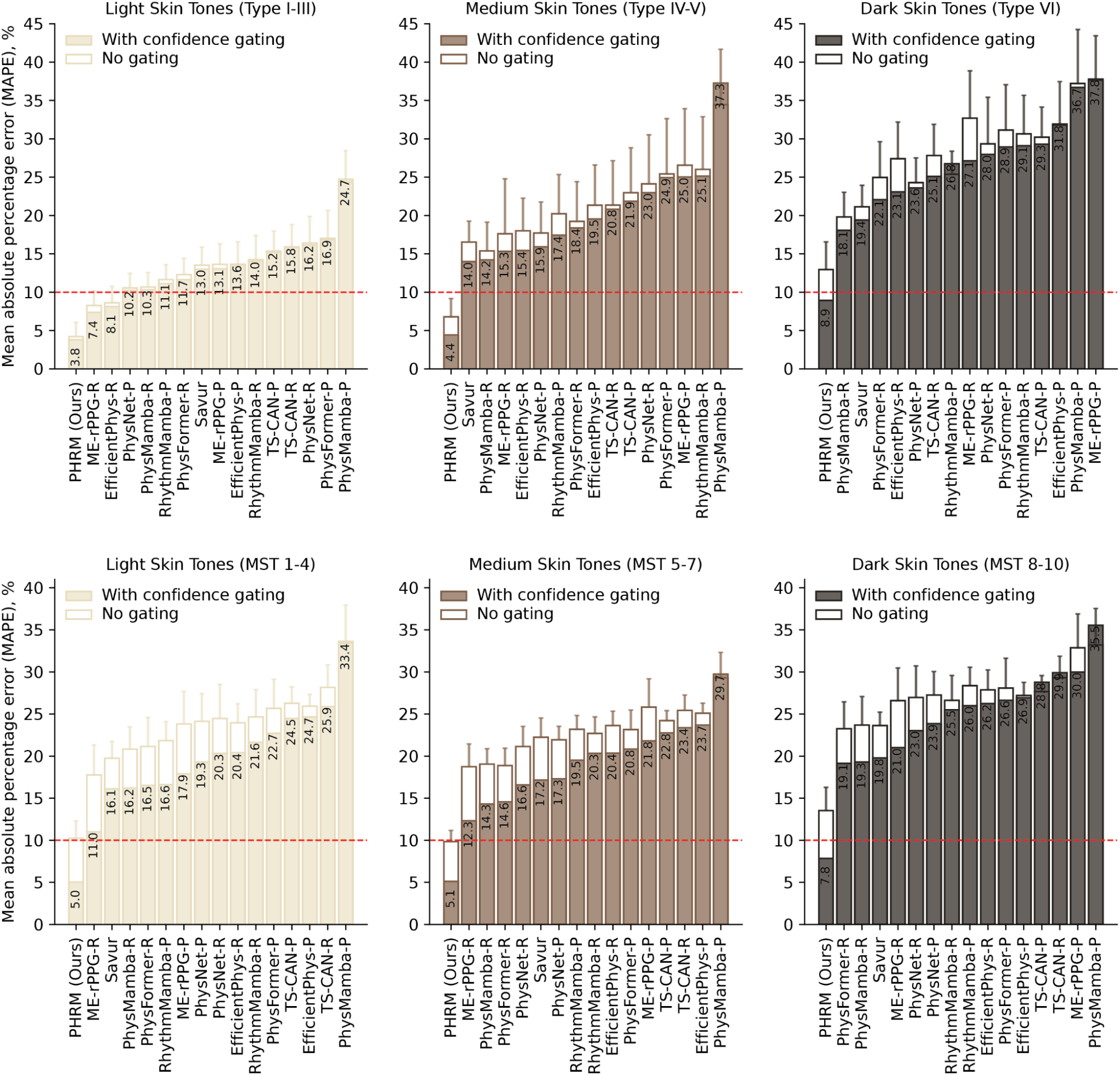
📰Researchers have developed a smartphone camera-based system for passive heart health monitoring, enabling non-invasive cardiovascular assessment through video analysis of facial blood flow changes. This advancement could democratize heart health tracking by leveraging ubiquitous smartphone technology without requiring specialized hardware.
AIBullishBlockonomi · Jun 46/10
🧠Snap stock surged 7.6% on June 4 following its acquisition of AR startup Illumix and mounting pressure from activist investors. The move signals Snap's commitment to augmented reality technology ahead of its planned Spectacles glasses reveal on June 16.
AIBullisharXiv – CS AI · Jun 26/10
🧠Researchers propose a unified deep learning framework combining ResNet-based CNNs with attention mechanisms and novel data augmentation techniques for analyzing biomedical time-series signals like ECG and EEG. The approach achieves near-perfect accuracy (99.78-100%) on benchmark datasets while remaining lightweight enough for wearable deployment, addressing critical gaps in multi-signal analysis and class imbalance handling.
AINeutralTechCrunch – AI · May 306/10
🧠Meta is developing an AI-powered pendant device, signaling the company's expansion beyond software into AI-integrated hardware. This move reflects Meta's broader strategy to position itself as a leader in artificial intelligence across multiple product categories and form factors.
AINeutralBlockonomi · May 86/10
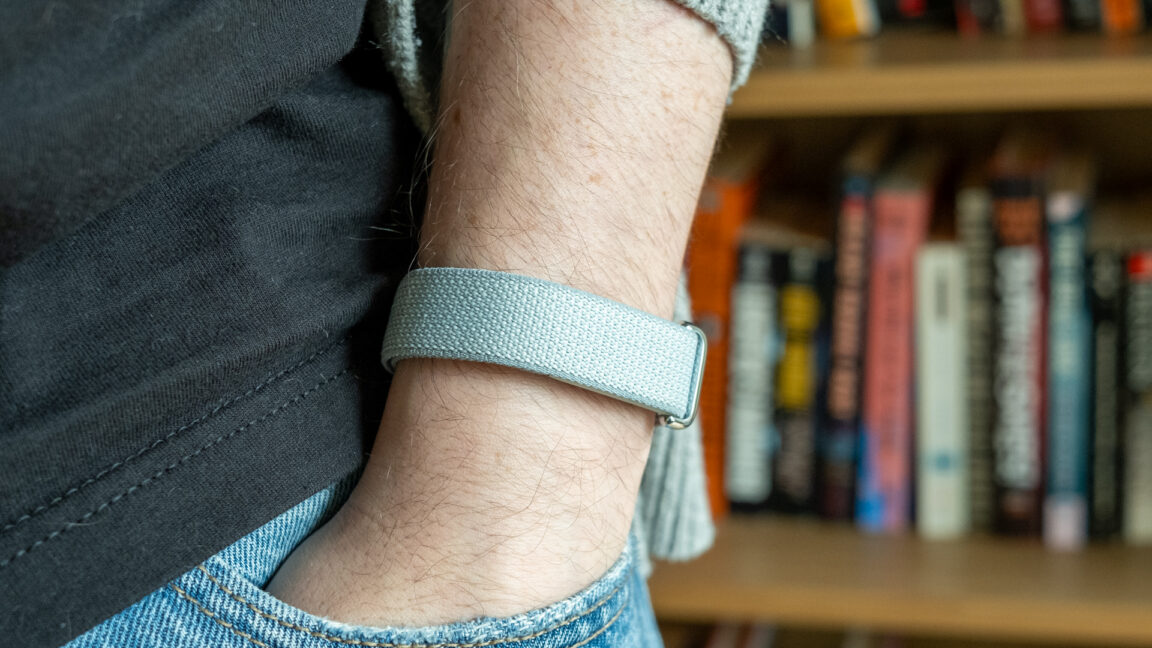
🧠Google launched Fitbit Air, a $99.99 screenless wearable tracker enhanced with Gemini AI coaching capabilities, atrial fibrillation detection, and week-long battery life. The device represents Google's integration of generative AI into consumer health hardware, with a premium Stephen Curry edition priced at $129.99.
🧠 Gemini
AIBullishThe Verge – AI · Mar 266/10
🧠Meta and EssilorLuxottica are preparing to launch two new Ray-Ban AI glasses models, according to recent FCC filings describing production units. The filings suggest an imminent launch, following a similar timeline to their second-generation Ray-Ban release in late 2023.
AIBullishTechCrunch – AI · Mar 106/10
🧠Sandbar has raised $23 million in Series A funding to develop the Stream, an AI-powered note-taking ring device. The company plans to ship the wearable device, which features note-taking capabilities, AI assistant chat functionality, and media playback, this summer.
GeneralNeutralCrypto Briefing · Jun 194/10
📰Soccer players will use advanced cooling technology during the 2026 World Cup to manage heat exposure and improve performance. This development highlights how sports technology innovations addressing athlete safety in extreme conditions could have broader applications across industries and inspire future wearable tech designs.
AINeutralArs Technica – AI · Jun 55/10
🧠Google's Fitbit Air wearable delivers solid fitness tracking capabilities as a minimalist device, but its integration of an AI Health Coach feature appears to detract from the user experience rather than enhance it. The device succeeds in its core function but struggles with unnecessary AI verbosity that complicates an otherwise straightforward fitness tracker.
GeneralNeutralWired – AI · Jun 55/10
📰Apple is reportedly considering integrating cameras into future AirPods, potentially enabling new use cases in augmented reality and spatial computing. However, significant technical hurdles including battery life constraints, privacy concerns, and miniaturization challenges could prevent widespread adoption of the feature.
AIBullisharXiv – CS AI · Mar 274/10
🧠Researchers developed FED-HARGPT, a hybrid centralized-federated approach using Transformer architecture for Human Activity Recognition (HAR) with mobile sensor data. The study demonstrates that federated learning can achieve comparable performance to centralized models while preserving data privacy through the Flower framework.
AIBullishTechCrunch – AI · Mar 165/10
🧠Memories.ai is developing a large visual memory model designed to index and retrieve video-recorded memories for physical AI applications. The technology aims to create a visual memory layer for wearables and robotics devices.
AINeutralGoogle Research Blog · Jan 154/105
🧠Researchers have developed new methods to estimate advanced walking metrics using smartwatch technology, potentially unlocking deeper health insights from wearable devices. This advancement could improve health monitoring capabilities and provide more comprehensive fitness tracking data for users.
AIBullishGoogle Research Blog · Aug 64/104
🧠Research demonstrates the ability to predict insulin resistance using wearable device data combined with routine blood biomarkers. This represents an advancement in personalized healthcare monitoring through AI-driven analysis of continuous health data.