
Towards passive heart health monitoring via smartphone camera
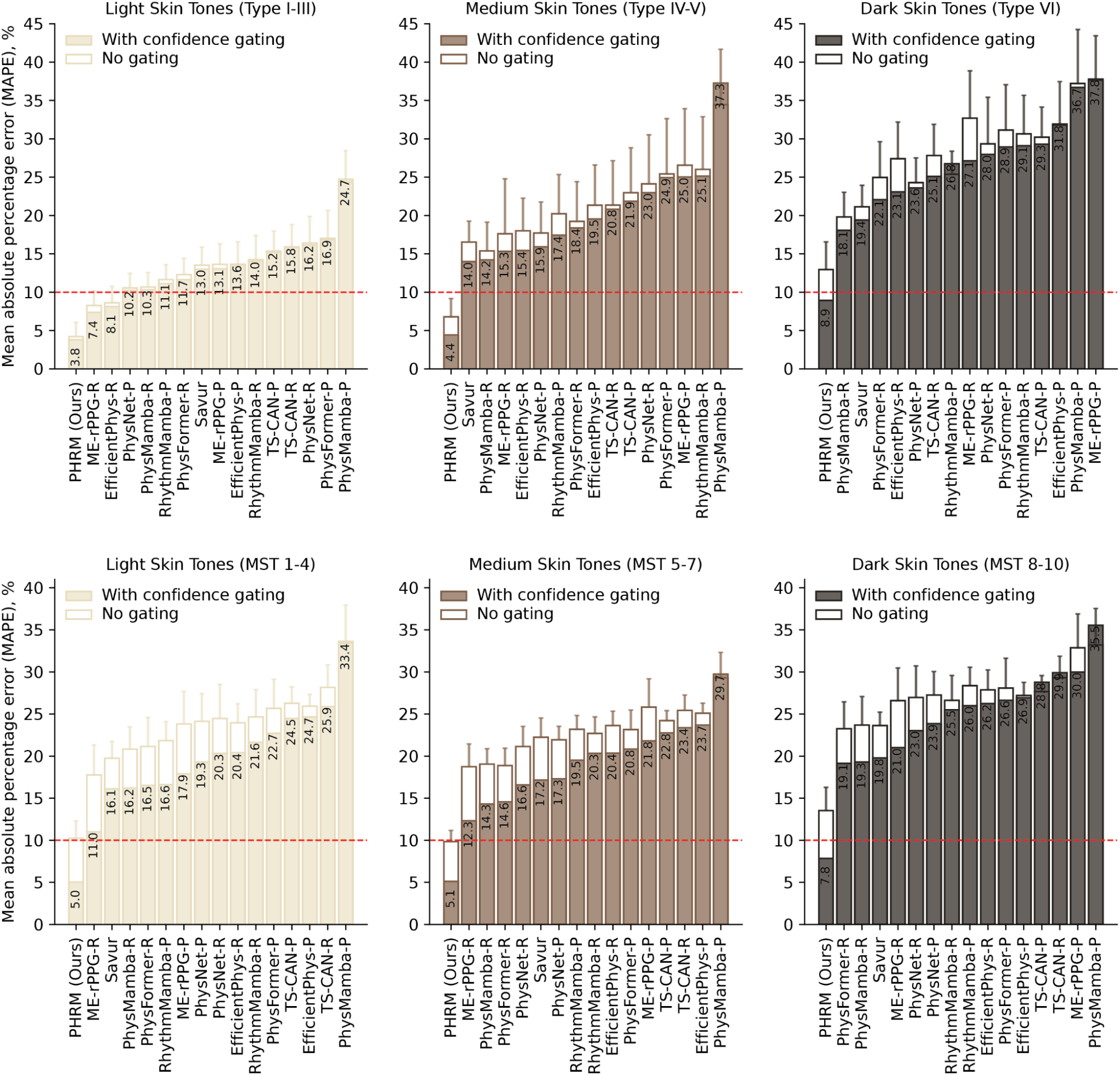
Researchers have developed a smartphone camera-based system for passive heart health monitoring, enabling non-invasive cardiovascular assessment through video analysis of facial blood flow changes. This advancement could democratize heart health tracking by leveraging ubiquitous smartphone technology without requiring specialized hardware.
The development of smartphone camera-based heart health monitoring represents a significant shift toward accessible personal health technology. By analyzing subtle changes in facial blood flow through video, this approach transforms standard smartphone cameras into functional medical sensors, eliminating barriers of cost and accessibility that plague traditional cardiovascular monitoring devices. The passive monitoring aspect is particularly valuable since users can perform measurements during natural smartphone usage without dedicated time or conscious effort.
This innovation builds on years of research in photoplethysmography (PPG) and remote sensing of biological signals. While previous iterations required specific lighting conditions or dedicated hardware, smartphone integration reduces friction substantially. The technology fits into a broader trend of passive health monitoring, where wearables and ambient sensors continuously gather health data without active user intervention. Healthcare systems increasingly recognize that frequent, passive monitoring yields better predictive insights than episodic clinical visits.
For the consumer health market, this directly threatens specialized wearable manufacturers and point-of-care devices. Software companies and smartphone makers gain leverage by adding clinical-grade functionality to existing hardware. Healthcare providers could reduce costs associated with office-based monitoring while improving patient engagement through familiar devices. The technology enables early detection of cardiac irregularities in populations with limited healthcare access.
Key developments to monitor include clinical validation studies demonstrating diagnostic accuracy comparable to existing standards, regulatory approvals from bodies like the FDA, and integration into mainstream health applications. Smartphone manufacturers may prioritize computational photography improvements specifically targeting health sensing, while health platforms compete to become the default monitoring interface.
- →Smartphone cameras can passively monitor heart health by detecting facial blood flow changes without specialized hardware.
- →This technology democratizes cardiovascular monitoring by leveraging ubiquitous devices, reducing cost and accessibility barriers.
- →Passive monitoring capability eliminates user friction and enables continuous health tracking integrated into daily smartphone usage.
- →The innovation threatens traditional wearable markets while creating opportunities for software platforms and smartphone manufacturers.
- →Clinical validation and regulatory approval will determine adoption speed in professional healthcare settings.