
Strait of Hormuz closure may extend to year’s end due to 80 mines: report
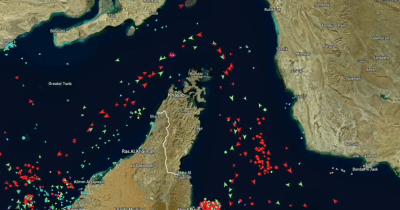
Reports indicate the Strait of Hormuz could remain closed through year-end due to approximately 80 mines, creating severe disruptions to global oil supply chains. This geopolitical crisis threatens energy market stability and has significant implications for cryptocurrency and broader financial markets sensitive to macro volatility.
The potential extended closure of the Strait of Hormuz represents a critical geopolitical flashpoint with cascading economic consequences. The strait serves as one of the world's most vital chokepoints for oil transport, with roughly one-third of global seaborne petroleum passing through it daily. A prolonged blockade due to mine placement signals escalating regional tensions and demonstrates how traditional geopolitical risks directly threaten modern energy infrastructure and economic stability.
This situation emerges within a broader context of Middle Eastern tensions and maritime security concerns. The presence of 80 mines suggests deliberate strategic action rather than accidental deployment, indicating calculated escalation by regional actors. Historical precedents like the Tanker Wars of the 1980s demonstrate how Strait disruptions can persist for extended periods, creating sustained energy market shocks.
For crypto and financial markets, prolonged oil supply disruptions trigger multiple transmission channels. Rising energy costs increase inflation expectations, influencing central bank policy and interest rates—factors that directly impact risk asset valuations including cryptocurrencies. Oil price spikes typically correlate with broader commodity inflation, potentially triggering safe-haven flows into traditional assets while increasing macroeconomic uncertainty. Bitcoin and other cryptocurrencies may experience volatility as traders reassess risk premiums in inflationary environments.
Investors should monitor shipping reports, insurance premiums for Strait transit, and crude oil futures for escalation signals. Resolution timelines remain uncertain, and any military intervention could rapidly intensify geopolitical risk premiums across all asset classes. Energy market stability directly influences inflation trajectories and monetary policy expectations, making this situation relevant for macro-sensitive crypto positioning.
- →Strait of Hormuz closure could extend through year-end with 80 reported mines blocking the critical oil passage.
- →One-third of global seaborne oil transits the strait, making prolonged closure a severe supply chain threat.
- →Extended energy supply disruptions typically drive inflation expectations and impact central bank policy decisions.
- →Cryptocurrency markets react to macro volatility from geopolitical crises through inflation expectations and risk repricing.
- →Oil price spikes and sustained supply disruptions historically create multi-month market volatility across assets.