
Strait of Hormuz oil exports unlikely to return to prewar levels amid tensions
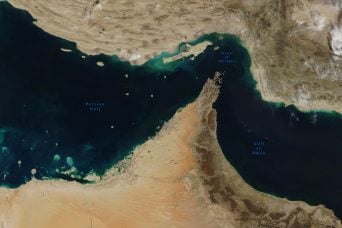
Geopolitical tensions in the Strait of Hormuz are expected to prevent oil exports from returning to prewar levels, likely sustaining elevated global energy prices. This development has significant implications for macroeconomic stability and cryptocurrency markets, which often respond to broader economic pressures and inflation concerns.
The Strait of Hormuz represents one of the world's most critical chokepoints for energy supply, with roughly one-third of global seaborne oil passing through its waters. Sustained geopolitical tensions in this region fundamentally alter energy market dynamics by creating supply-side constraints that resist normalization. When oil export capacity remains depressed relative to historical baselines, global markets must price in a permanent risk premium, pushing energy costs higher across the economy.
This situation mirrors previous periods of energy crisis-driven inflation, which historically pressured central bank monetary policy and triggered broader macroeconomic adjustments. Higher energy prices feed through supply chains globally, increasing production costs and consumer inflation expectations. For cryptocurrency markets, elevated oil prices and persistent inflation concerns typically support bullish narratives around assets positioned as inflation hedges, particularly Bitcoin and other commodities-correlated digital assets.
The investment community faces dual pressures: traditional equity and bond markets suffer from higher real interest rates required to combat inflation, while energy sector stocks benefit from sustained high prices. Crypto investors should monitor oil price trajectories as a secondary indicator of broader inflation dynamics and monetary policy direction. Market participants must distinguish between temporary price spikes and structural supply constraints; the article's emphasis on exports remaining below prewar levels suggests the latter scenario.
Looking ahead, the trajectory of Strait of Hormuz tensions will directly influence whether elevated energy prices persist as a structural economic feature or gradually moderate. Central bank responses to sustained inflation from energy constraints represent a critical variable affecting risk asset valuations, including cryptocurrency holdings.
- →Strait of Hormuz tensions create persistent oil supply constraints that prevent exports from normalizing to prewar levels.
- →Sustained higher oil prices increase inflation pressures throughout global economies and supply chains.
- →Central banks facing persistent energy-driven inflation may maintain tighter monetary policies, pressuring risk assets.
- →Cryptocurrency markets sensitive to macroeconomic conditions benefit from inflation-hedge narratives during high-energy-cost environments.
- →Investors should monitor geopolitical developments in the Strait of Hormuz as a barometer for medium-term energy market structure and inflation persistence.