
Strait of Hormuz traffic remains low amid naval tensions, reopening claims fail
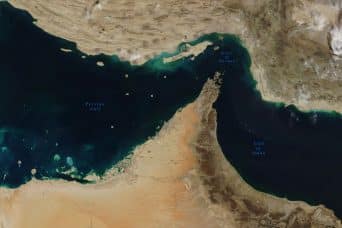
Persistent geopolitical tensions in the Strait of Hormuz continue to suppress maritime traffic, with claims of reopening failing to materialize. This sustained disruption threatens global oil supply chains and energy prices, creating headwinds for macroeconomic stability and cryptocurrency markets sensitive to risk sentiment.
The Strait of Hormuz, a critical chokepoint for global energy trade, remains congested with unresolved tensions that prevent normalization of shipping volumes. This standoff reflects deeper geopolitical fractures in the Middle East, where multiple actors maintain conflicting interests over regional control and naval operations. The failure of reopening initiatives suggests diplomatic solutions remain elusive, extending uncertainty indefinitely.
Historically, the Strait has witnessed periodic disruptions—from tanker wars in the 1980s to recent drone attacks and seizures. Each episode demonstrates how localized naval tensions cascade into global commodity markets. Current low traffic levels indicate merchants and shipping companies maintain defensive positioning, avoiding unnecessary risk exposure in contested waters.
For cryptocurrency and broader financial markets, prolonged Strait disruptions create inflationary pressure through elevated oil prices, which central banks typically counter with tighter monetary policy. This environment pressures growth assets, including crypto, as investors reassess risk-reward dynamics. Investors monitoring macroeconomic headwinds recognize energy security as a fundamental input to market stability.
Market participants should observe whether geopolitical actors pursue diplomatic breakthroughs or escalate tensions further. Any breakthrough enabling traffic normalization could ease energy prices and reduce inflation concerns, benefiting risk assets. Conversely, additional disruptions would entrench stagflationary conditions. The cryptocurrency market's sensitivity to macroeconomic conditions and risk sentiment makes this geopolitical dynamic indirectly but meaningfully relevant to crypto investors assessing medium-term headwinds.
- →Strait of Hormuz traffic remains suppressed despite claims of reopening, signaling unresolved geopolitical tensions.
- →Persistent disruptions threaten global oil supply stability and contribute to inflationary pressures.
- →Central banks facing elevated energy prices maintain restrictive monetary policies that pressure growth assets including crypto.
- →Diplomatic breakthroughs could ease commodity prices; further escalation would extend stagflationary conditions.
- →Crypto investors should monitor Middle East geopolitical developments as indirect indicators of macroeconomic risk sentiment.