
Tesla defends FSD after fatal Texas crash, cites driver override
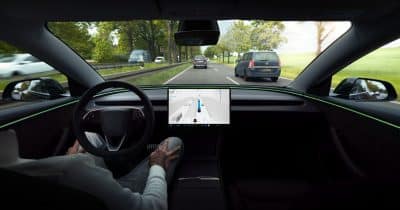
Tesla defended its Full Self-Driving system following a fatal crash in Texas, attributing the incident to driver override rather than system failure. The incident underscores the regulatory and liability challenges facing autonomous vehicle developers as safety concerns clash with technological advancement.
Tesla's response to the fatal Texas crash reveals the critical fault lines in autonomous vehicle deployment and accountability. When accidents occur involving self-driving systems, manufacturers face pressure to demonstrate that human intervention—not system failure—caused the incident. This defense strategy, while potentially protecting Tesla from immediate liability, highlights the fundamental challenge of autonomous systems: determining responsibility when both machine and human controls are present in a vehicle.
The autonomous vehicle sector has long grappled with this liability question. Regulators worldwide are still developing frameworks for accidents involving partial automation, where drivers retain override capability. Tesla's FSD operates in this gray zone, requiring driver attention while offering increasing autonomy. Previous incidents have similarly featured disputes over whether automation or human error caused crashes, creating uncertainty for both consumers and investors about who bears responsibility.
For the broader market, this incident affects multiple stakeholders. Investor confidence in autonomous vehicle companies depends partly on safety records and liability clarity. Insurance companies struggle to price risk when causation remains contested. Regulators may respond with stricter oversight requirements, potentially slowing deployment timelines across the industry. Consumer adoption rates could stall if public perception of safety deteriorates following high-profile fatalities.
Moving forward, the industry must establish clearer standards for driver monitoring and system transparency during accidents. Data logging and analysis will become increasingly important for determining fault. Regulatory bodies may accelerate development of mandatory safety certifications for autonomous systems, potentially creating compliance costs that differentiate market leaders from competitors. The outcome of investigations into this specific crash could set precedent for future autonomous vehicle regulation.
- →Tesla attributes the fatal crash to driver override, shifting responsibility away from FSD system failure
- →Autonomous vehicle liability remains legally and technically ambiguous when both human and machine controls are present
- →Fatal incidents involving self-driving systems risk triggering stricter regulatory frameworks and insurance complications
- →Investor confidence in autonomous vehicle stocks depends on clear safety records and accountability structures
- →Industry standards for system transparency and driver monitoring may become mandatory requirements following this incident