
Tesla faces lawsuit over fatal crash involving Full Self-Driving feature in Texas
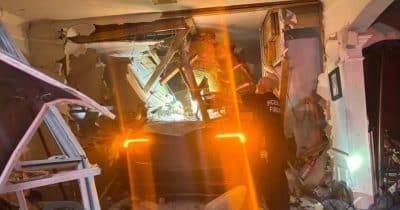
Tesla faces a lawsuit following a fatal crash involving its Full Self-Driving feature in Texas, raising questions about autonomous vehicle safety and liability. The legal challenge could intensify regulatory scrutiny of autonomous driving systems and create investor uncertainty about Tesla's FSD program, with potential spillover effects on tech and crypto markets due to broader confidence concerns.
Tesla's lawsuit over a fatal FSD crash represents a critical inflection point for autonomous vehicle technology adoption and corporate accountability. The incident underscores persistent safety questions surrounding Level 2-3 autonomous systems marketed to consumers, particularly when regulatory frameworks remain underdeveloped relative to technological deployment. This case will likely establish important legal precedents regarding manufacturer liability versus driver responsibility in semi-autonomous scenarios.
Autonomous driving development has accelerated across the industry without corresponding regulatory clarity, creating a vacuum where litigation becomes the primary accountability mechanism. Tesla's aggressive FSD rollout, combined with marketing that emphasizes automation capabilities, has attracted regulatory attention from the NHTSA and SEC. Previous crashes and investigations suggest systemic concerns rather than isolated incidents, establishing a pattern that strengthens plaintiff arguments and increases settlement risk.
The market implications extend beyond Tesla's valuation. Investor confidence in autonomous vehicle timelines may contract, affecting capital allocation across AI-driven transportation projects. Tech-focused venture funding and institutional investment could face headwinds as risk premiums increase. For crypto markets, interconnected risks emerge through tech-heavy indices and growth-stock correlations that influence institutional capital flows. Additionally, regulatory responses to this lawsuit could create broader precedents affecting AI development and liability frameworks across sectors.
Expect intensified NHTSA investigations, potential FSD feature restrictions, and shareholder pressure regarding governance and disclosure. Class-action suits may follow, and regulatory bodies globally could implement stricter autonomous vehicle testing requirements before public deployment. The outcome shapes autonomous vehicle insurance markets and corporate risk assessment frameworks.
- →Fatal FSD crash lawsuit creates legal liability precedent for autonomous vehicle manufacturers in semi-autonomous systems.
- →Incident likely triggers stricter regulatory oversight and potential feature restrictions on Tesla's Full Self-Driving program.
- →Investor confidence in autonomous vehicle timelines and AI-driven transportation may face significant contraction.
- →Legal proceedings could establish framework affecting AI liability across industries beyond automotive.
- →Tech sector and growth-stock correlations may influence institutional capital flows affecting broader markets.