
Treasuries recover from oil-driven selloff as inflation gauge slows
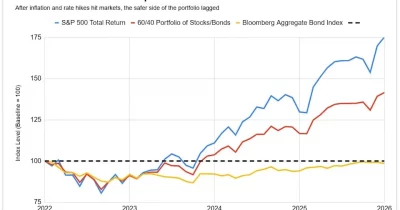
U.S. Treasury yields stabilized following an oil-driven selloff as inflation indicators show signs of cooling. This macro shift signals potential changes in investment allocation patterns that could influence cryptocurrency market dynamics, particularly affecting risk asset valuations and institutional crypto adoption strategies.
The recovery in Treasury markets reflects a critical inflection point in macroeconomic conditions. Oil-driven volatility typically cascades through financial markets by affecting inflation expectations, which directly influences Federal Reserve policy expectations and risk appetite across asset classes. As inflation gauges decelerate, bond investors reassess yield premiums, reducing the opportunity cost of holding non-yielding assets like cryptocurrencies. This normalization process matters significantly because elevated Treasury yields have competed aggressively with crypto allocations throughout 2022-2023, pushing institutional capital toward safer fixed-income instruments. The stabilization suggests this headwind may be easing.
Historically, declining real yields and inflation pressures have created favorable conditions for crypto adoption as investors seek inflation hedges. The current environment inverts this slightly—inflation cooling reduces crypto's traditional value proposition as an inflation hedge while simultaneously lowering the relative attractiveness of Treasuries compared to growth assets. Cryptocurrency markets exhibit high correlation with risk sentiment; as Treasury volatility subsides, market participants gain clarity on future monetary policy trajectories. This reduced macro uncertainty can paradoxically either attract institutional capital seeking diversification or trigger consolidation as investors lock in positions.
For market participants, this Treasury stabilization establishes a new baseline for macro risk assessment. Traders should monitor whether cooling inflation translates into Fed rate-cut expectations, which would fundamentally alter cryptocurrency valuations. The coming weeks will reveal whether institutions rebalance toward crypto as yield compression removes Treasury competition, or whether broader economic slowdown signals trigger defensive positioning. Capital flow patterns between fixed-income and digital assets warrant close observation as this macro regime solidifies.
- →Treasury stabilization follows oil-driven selloff amid slowing inflation indicators, reducing macro volatility
- →Declining real yields decrease competitive pressure from fixed-income assets on cryptocurrency valuations
- →Market clarity on monetary policy trajectory may influence institutional capital allocation decisions
- →Crypto markets remain sensitive to macro regime shifts despite inflation hedging narrative declining
- →Investors should monitor Fed rate expectations and capital flows between bonds and digital assets