
Trump calls 4% inflation data ‘great’, expects drop after Iran war ends
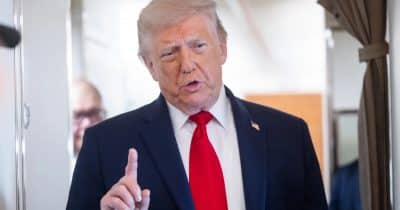
Former President Trump characterized the latest 4% inflation reading as positive and suggested inflation could decline further once geopolitical tensions with Iran resolve. The statement reflects optimism about economic conditions despite persistent inflation concerns that typically complicate monetary policy and investment planning.
Trump's characterization of 4% inflation as 'great' represents a notably optimistic perspective on economic data that many analysts consider elevated. While 4% inflation is lower than the peaks seen in 2022-2023, it remains above the Federal Reserve's 2% target, creating complexity for investors evaluating real returns and policy direction. His attribution of inflationary pressures to geopolitical tensions, specifically ongoing Iran-related conflicts, suggests he views inflation as temporary and externally driven rather than structural.
This framing matters because it shapes market expectations around future monetary policy. If policymakers believe inflation stems primarily from geopolitical supply disruptions rather than demand-side pressures, the case for aggressive rate hikes weakens. Conversely, if inflation proves sticky regardless of geopolitical resolution, the Fed may maintain higher rates longer than markets anticipate.
For cryptocurrency and investment markets, inflation rhetoric directly influences asset allocation. Higher-for-longer rate expectations typically pressure risk assets like crypto, while inflation expectations support hard assets and commodities. Trump's optimism about post-conflict disinflation could signal dovish sentiment that benefits leveraged positions and growth investments.
Investors should monitor whether geopolitical tensions actually ease and whether inflation data responds accordingly. If Iran-related tensions persist or resolve without meaningful inflation decline, Trump's forecast loses credibility and markets may reprice expectations around both interest rates and risk assets. The interaction between geopolitical risk premiums and actual inflation outcomes will determine whether current market pricing proves justified.
- →Trump views 4% inflation positively and attributes elevated prices primarily to geopolitical Iran tensions rather than structural economic factors
- →His expectation of post-conflict disinflation could signal dovish monetary policy bias that affects crypto and risk asset valuations
- →Persistent inflation above the Fed's 2% target still complicates investment strategy despite Trump's optimistic characterization
- →Market pricing of interest rate expectations may shift if geopolitical tensions ease and inflation doesn't decline correspondingly
- →Crypto investors should monitor geopolitical developments and inflation data releases as key determinants of near-term policy direction