
Trump warns US will hit Iran ‘very hard’ over energy control
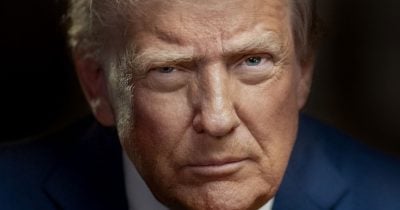
Trump's threat of severe retaliation against Iran over energy control raises geopolitical tensions that could disrupt global oil markets, trigger inflation spikes, and intensify regulatory scrutiny on cryptocurrency exchanges worldwide. The escalation creates macroeconomic uncertainty that historically correlates with increased crypto volatility and capital flight into alternative assets.
Trump's hardline stance toward Iran represents a significant escalation in US-Iran relations centered on energy markets and geopolitical influence. This threat carries immediate implications for global stability, as Iran controls critical Strait of Hormuz shipping lanes through which approximately 21% of global petroleum passes. Any military or economic confrontation could drastically reduce global oil supply, driving energy prices sharply higher and feeding into broader inflationary pressures across economies worldwide.
The historical context reveals a cyclical pattern: geopolitical tensions consistently trigger flight-to-safety behavior among investors. During previous Iran-related crises, markets exhibited heightened volatility, with investors rotating capital toward alternative assets including cryptocurrencies. Energy price spikes simultaneously increase operational costs for blockchain networks and crypto exchanges, while inflation concerns push central banks toward restrictive monetary policies that impact crypto valuations.
For the crypto industry specifically, this situation creates dual pressures. Rising energy costs squeeze mining profitability and exchange operations, while regulatory bodies globally often use geopolitical crises as justification for enhanced compliance frameworks and capital controls. Exchanges face increased scrutiny regarding sanctions compliance, cross-border transaction monitoring, and asset freeze protocols. The article notes that such tensions prompt regulators to strengthen oversight mechanisms targeting crypto platforms.
Looking ahead, traders should monitor oil price movements as leading indicators of market stress. Currency volatility in emerging markets exposed to energy shocks typically precedes crypto volatility. Regulatory announcements from major jurisdictions regarding sanctions-related compliance will likely follow any escalation. The convergence of energy market disruption, inflation concerns, and regulatory tightening creates a complex risk environment for crypto participants.
- →US-Iran tensions threaten to disrupt global oil supplies and trigger inflationary pressures affecting all markets including crypto
- →Geopolitical crises historically correlate with increased cryptocurrency volatility and capital flight into alternative assets
- →Crypto exchanges face heightened regulatory scrutiny during geopolitical conflicts regarding sanctions compliance and cross-border transactions
- →Rising energy costs directly impact mining profitability and exchange operations, compressing industry margins
- →Oil price movements serve as leading indicators for broader market stress and crypto volatility cycles