
Trump threatens to destroy Iran over Strait of Hormuz, proposes 20% oil tax
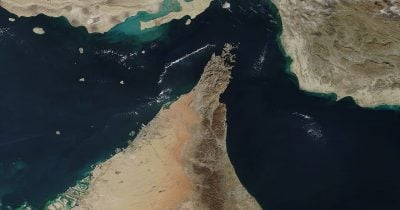
Former President Trump has threatened military action against Iran over the Strait of Hormuz and proposed a 20% oil tax, which could destabilize regional trade and spike global energy prices. These geopolitical tensions carry significant implications for cryptocurrency and broader financial markets sensitive to oil price volatility.
Trump's renewed confrontational rhetoric toward Iran signals escalating geopolitical risk in one of the world's most critical energy chokepoints. The Strait of Hormuz handles approximately 20% of global oil transit, making any disruption to regional stability a material concern for energy markets and downstream economic activity. The proposed 20% oil tax would artificially inflate energy costs, creating inflationary pressure across multiple sectors and potentially triggering broader economic instability.
Historically, Trump's Iran policy centered on maximum pressure through sanctions and military posturing. This latest threat represents a continuation of that approach, though rhetoric alone has consistently moved oil markets. Previous tensions in the region—including the 2019 tanker attacks and 2020 Soleimani assassination—drove crude prices higher and created temporary risk-off sentiment across risk assets including cryptocurrencies.
For crypto markets, oil price shocks and geopolitical uncertainty typically trigger flight-to-safety dynamics. Bitcoin and other digital assets can benefit from inflation concerns and currency debasement resulting from oil disruptions, but face headwinds from broader risk-off sentiment and potential Fed policy responses. An oil tax would compound inflationary concerns, potentially forcing central banks toward tighter monetary policy—historically bearish for speculative assets.
Investors should monitor Brent crude futures and geopolitical risk premiums closely. Any actual military escalation rather than rhetorical posturing could trigger significant volatility across energy, equities, and crypto markets within hours.
- →Trump's Iran threats target the Strait of Hormuz, controlling 20% of global oil transit and creating energy price risk
- →A proposed 20% oil tax would artificially elevate energy costs and accelerate inflation across multiple sectors
- →Geopolitical tensions typically create risk-off sentiment that pressures speculative assets including cryptocurrencies
- →Historical precedent shows similar Iran rhetoric moves oil markets measurably within days of announcement
- →Investors should prepare for potential volatility in crude, equities, and crypto if rhetoric escalates beyond threats