
Trump calls for complete ceasefire in Middle East, citing peace efforts
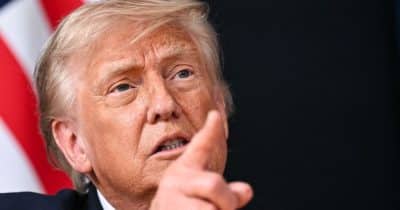
Trump has called for a complete ceasefire in the Middle East as part of broader peace efforts. The statement carries potential macroeconomic implications including market stabilization, reduced energy costs, and shifts in central bank monetary policy, though practical enforcement challenges remain significant.
Trump's ceasefire call represents a significant geopolitical development with cascading effects across global financial markets, including cryptocurrency. Middle East tensions typically create energy price volatility and risk premiums in equity and commodity markets. A successful ceasefire could reduce crude oil prices, lower inflation pressures, and potentially influence Federal Reserve and other central banks toward less aggressive monetary tightening—dynamics that historically support risk assets including cryptocurrencies.
Geopolitical instability in the Middle East has been a persistent concern for markets since October 2023. Energy supply disruptions drive inflationary cycles that constrain economic growth and push central banks to maintain higher interest rates longer than preferred. Reduced geopolitical risk allows markets to price in more dovish monetary outlooks, typically benefiting growth-oriented and speculative assets like crypto.
For cryptocurrency markets specifically, a sustained peace scenario could reduce safe-haven demand for traditional hedges while increasing appetite for alternative assets. Lower oil prices would ease inflation expectations, potentially supporting crypto valuations that have been pressured by sustained high rates. Institutional investors monitoring macro conditions may reposition portfolios if geopolitical risk premiums compress.
The critical variable is enforcement credibility. Historical Middle East peace initiatives frequently encounter implementation obstacles, sanctions violations, or renewed tensions that quickly reverse market gains. Traders should monitor whether concrete mechanisms emerge to verify compliance. Near-term market reactions may prove transitory if participants view the ceasefire as politically aspirational rather than institutionally binding.
- →Middle East ceasefire could reduce energy costs and lower inflation pressures affecting monetary policy globally.
- →Lower crude prices may ease central bank concerns about inflation, potentially supporting risk assets including crypto.
- →Geopolitical risk reduction typically compresses safe-haven premiums, benefiting speculative assets over defensive ones.
- →Enforcement mechanisms and compliance verification remain critical uncertainties for sustained market impact.
- →Crypto markets could see increased institutional inflows if macro environment shifts toward lower rates and growth focus.