
Trump calls Iran’s peace proposal totally unacceptable, oil prices rise
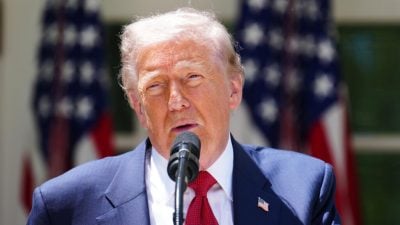
Trump rejected Iran's peace proposal, escalating geopolitical tensions that have driven oil prices higher. Rising energy costs pose risks to global economic stability through inflationary pressures and potential central bank policy shifts, with cascading effects on financial markets and cryptocurrency valuations.
Trump's rejection of Iran's peace proposal signals a hardening of U.S. diplomatic posture in the Middle East, intensifying geopolitical risk premiums that typically manifest in energy markets. Oil price increases triggered by political tensions historically transmit inflationary shocks through global supply chains, affecting everything from transportation costs to manufacturing expenses. This dynamic matters because central banks face renewed pressure to maintain or raise interest rates to combat inflation, a scenario that typically depresses risk assets including cryptocurrencies and growth-oriented equities.
The Middle East remains a critical chokepoint for global energy supplies, meaning diplomatic breakdowns there have outsized macroeconomic consequences. Previous periods of Iran-U.S. tension have driven oil prices to levels that destabilized emerging markets and compressed corporate profit margins. Higher energy costs increase operational expenses across industries while potentially triggering wage-price spiral dynamics that complicate monetary policy decisions.
For cryptocurrency markets, elevated oil prices and tighter monetary conditions create headwinds. Bitcoin and other digital assets typically underperform when real yields rise and growth expectations decline. Investors monitoring macro conditions should track crude oil price levels, central bank communications, and inflation data as interconnected signals of broader market conditions. Geopolitical risk premiums can persist for extended periods, potentially sustaining elevated energy costs that feed into persistent inflation concerns and constrain monetary easing cycles.
- →Trump's rejection of Iran's peace proposal escalates Middle East tensions and supports higher oil prices
- →Rising crude oil costs transmit inflationary pressures through global supply chains and consumer prices
- →Higher inflation typically prompts central banks to maintain restrictive monetary policies that pressure risk assets
- →Geopolitical risk premiums in energy markets can persist for months, creating sustained headwinds for growth assets
- →Cryptocurrency investors should monitor oil prices and central bank policy signals as macro risk indicators