
UAE oil exports surge of pre-war levels amid Middle East tensions
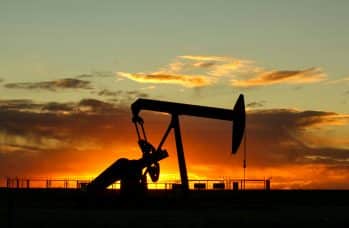
The UAE has increased oil exports to pre-war levels amid escalating Middle East tensions, potentially reshaping global energy markets and influencing oil price trajectories. This development carries significant implications for geopolitical strategy and energy market dynamics during a period of regional instability.
The UAE's return to pre-war oil export levels represents a notable development in global energy markets at a time when regional instability typically constrains production. This surge suggests either improved security conditions in shipping lanes, enhanced production capacity, or strategic decisions to maintain export volumes despite geopolitical risks. The timing is significant given ongoing tensions in the Middle East, which historically trigger oil price volatility and supply concerns.
Regionally, UAE oil exports serve as a barometer for Middle East stability and OPEC+ production strategies. The country's ability to maintain robust export levels while neighboring regions face conflict indicates either compartmentalization of economic activity or confidence in maritime security measures. This contrasts with typical crisis responses where producers reduce output or divert shipments to avoid conflict zones.
For global markets, sustained UAE exports provide price stability that prevents the supply shocks investors feared. Oil price moderations benefit inflation-sensitive assets, including cryptocurrency markets that often correlate with macroeconomic conditions and energy costs. Traders monitor oil prices as a proxy for inflation expectations, which indirectly influences Bitcoin and altcoin valuations through Fed policy assumptions.
Looking forward, the sustainability of these export levels depends on regional de-escalation or continued security measures protecting shipping infrastructure. Any disruption to UAE exports could trigger cascading effects across energy markets, inflation expectations, and risk asset valuations. Investors should monitor Strait of Hormuz developments and UAE production announcements for early warning signals of potential market turbulence.
- →UAE oil exports have returned to pre-war levels despite ongoing Middle East tensions, indicating stable regional production capacity
- →Sustained oil exports provide price stability that reduces inflation expectations and supports cryptocurrency markets
- →The geopolitical risk premium in oil markets remains moderate given current export stability
- →Disruptions to UAE shipping or production could trigger immediate volatility across energy and crypto asset classes
- →OPEC+ production decisions and UAE export strategies will influence global inflation forecasts through 2024