
Uber prepares for robotaxi competition with Wayve in London
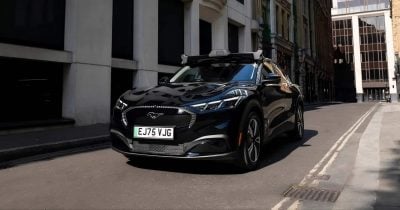
Uber is intensifying competition with Wayve, an AI-driven autonomous vehicle company, in the London robotaxi market. This rivalry signals accelerating commercialization of self-driving technology in major cities and could reshape urban transportation globally.
Uber's strategic positioning against Wayve in London represents a critical inflection point in autonomous vehicle commercialization. The company, which has historically struggled with self-driving technology development, now faces direct competition from a well-funded AI specialist focused on vision-based autonomous driving. This competitive dynamic matters because London serves as a testing ground for regulatory frameworks and consumer adoption patterns that will influence rollout in other global markets.
The broader context reveals a fundamental shift in the autonomous vehicle landscape. Unlike the previous decade when Uber aggressively pursued internal AV development, the company now appears to be leveraging partnerships and market positioning rather than proprietary technology. Wayve's emergence as a credible competitor reflects the maturation of deep learning approaches to autonomous driving, particularly vision-only systems that require less infrastructure investment than competing technologies.
For the transportation and logistics sectors, this competition accelerates realistic timelines for robotaxi deployment. Insurance companies, city planners, and traditional taxi services face material disruption within 2-3 years rather than the speculative 5-10 year horizon previously assumed. Investors tracking autonomous vehicle adoption now have concrete competitive benchmarks and regulatory precedents emerging from London operations.
Moving forward, attention should focus on regulatory approval timelines, accident rates during early deployments, and whether Wayve's vision-only approach outperforms competing sensor technologies. The outcome determines whether autonomous mobility becomes concentrated in a few dominant platforms or remains fragmented across multiple technology approaches.
- →Uber and Wayve are directly competing in London's robotaxi market, signaling near-term commercialization of autonomous vehicles
- →London serves as a regulatory and consumer adoption test case influencing global autonomous vehicle rollout timelines
- →Wayve's vision-based AI approach competes against traditional sensor-heavy autonomous systems, shaping technology standards
- →Successful London deployment could accelerate disruption of traditional taxi services and insurance models within 2-3 years
- →Market competition suggests autonomous vehicle adoption will consolidate around proven platforms rather than remaining fragmented