
Russian advances, Ukrainian counterattacks dim Ukraine ceasefire hopes by June 2026
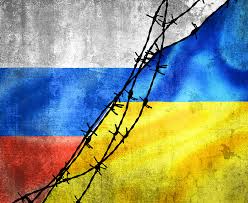
Escalating Russian military advances and Ukrainian counteroffensives have significantly reduced prospects for a ceasefire by June 2026, with diplomatic stalled and regional instability deepening. The prolonged conflict threatens global economic conditions and security architecture, creating sustained uncertainty for markets and investors.
The Ukraine-Russia conflict continues to intensify without meaningful diplomatic resolution, dimming near-term ceasefire prospects. Russian territorial gains combined with Ukrainian defensive operations suggest neither side has incentive to negotiate immediately, prolonging military engagement and resource expenditure. This trajectory contradicts earlier speculation about conflict resolution timelines, indicating geopolitical tension will persist well into 2026.
The conflict's roots lie in fundamental disagreements over territorial sovereignty and NATO expansion concerns. Previous ceasefire negotiations collapsed due to incompatible demands, and current military momentum suggests combatants believe battlefield outcomes may improve their negotiating positions. This pattern of failed diplomacy coupled with active combat operations has become the conflict's defining characteristic.
For global markets, prolonged instability directly impacts energy prices, particularly oil and natural gas supplies from Eastern Europe. Cryptocurrency markets respond to macro uncertainty and geopolitical risk premiums—extended conflict duration increases volatility and correlations between crypto assets and traditional safe-haven instruments like gold. Supply chain disruptions, sanctions regimes, and defense spending reallocation create persistent headwinds for growth-oriented assets.
Market participants should monitor diplomatic communications and military developments as leading indicators of macro sentiment shifts. Sustained conflict increases central bank hawkishness and limits risk appetite, potentially constraining capital flows to emerging asset classes including crypto. The June 2026 timeline extension signals investors should prepare for extended geopolitical risk premium rather than near-term resolution optimism.
- →Russian advances and Ukrainian counterattacks indicate neither side pursuing immediate ceasefire negotiations
- →Prolonged conflict extends geopolitical uncertainty into 2026, raising macro risk premiums across markets
- →Energy price volatility from supply disruptions directly affects global inflation and monetary policy paths
- →Cryptocurrency markets face headwinds from extended instability reducing risk appetite and capital deployment
- →Investors should prepare for sustained geopolitical risk rather than expecting near-term conflict resolution