
Ukraine targets Tyumen oil refinery 2,000 kilometers inside Russia
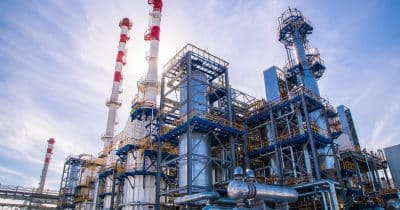
Ukraine conducted a long-range drone strike on the Tyumen oil refinery located 2,000 kilometers inside Russian territory, marking an escalation in attacks on Russian economic infrastructure. Such strikes on energy facilities risk destabilizing global energy markets and intensifying the broader conflict through targeting of critical civilian infrastructure.
Ukraine's strike on the Tyumen refinery represents a significant escalation in the conflict's scope and targeting strategy. By reaching deep into Russian territory to attack energy infrastructure, Ukraine has expanded its operational range and shifted focus toward economic disruption rather than purely military targets. This development signals a strategic recalibration where both sides increasingly weaponize supply chains and critical infrastructure as leverage points.
The geopolitical context reveals an evolving conflict dynamic where traditional military frontlines matter less than control over economic levers. Russia's energy sector has long been central to its global influence and revenue generation, particularly through oil exports to Europe and Asia. Ukraine's demonstrated capability to strike refineries at unprecedented distances suggests its drone and missile technology has advanced significantly, likely with Western support and intelligence sharing.
Energy market implications remain substantial. Refinery disruptions typically create supply bottlenecks that raise global oil prices, affecting cryptocurrency markets through macro economic stress and inflation concerns. Higher energy costs compress profit margins for data centers and crypto mining operations while potentially strengthening safe-haven assets and deflationary crypto narratives. Investors monitor crude prices closely as direct correlates to market volatility.
Looking ahead, escalating strikes on energy infrastructure could trigger broader international intervention or sanctions responses. The sustainability of such campaigns depends on Ukraine's supply of long-range weaponry and Russia's air defense effectiveness. Markets will watch for any major disruptions to global energy supplies or OPEC responses that might indicate broader systemic instability.
- →Ukraine struck a Russian oil refinery 2,000 km inside Russian territory, demonstrating extended strike capabilities and strategic shift toward economic targets.
- →Attacks on energy infrastructure create supply disruptions that can elevate global oil prices and increase macro volatility affecting crypto markets.
- →The escalation signals intensifying use of economic warfare as a conflict strategy beyond traditional military engagement.
- →Crypto mining and data center operations face potential margin pressure from sustained energy price increases resulting from refinery disruptions.
- →Future market stability depends on whether such strikes trigger wider international intervention or represent a new conflict equilibrium.