
Your laundry bill is about to get more expensive—and Unilever says the Iran war is partly to blame
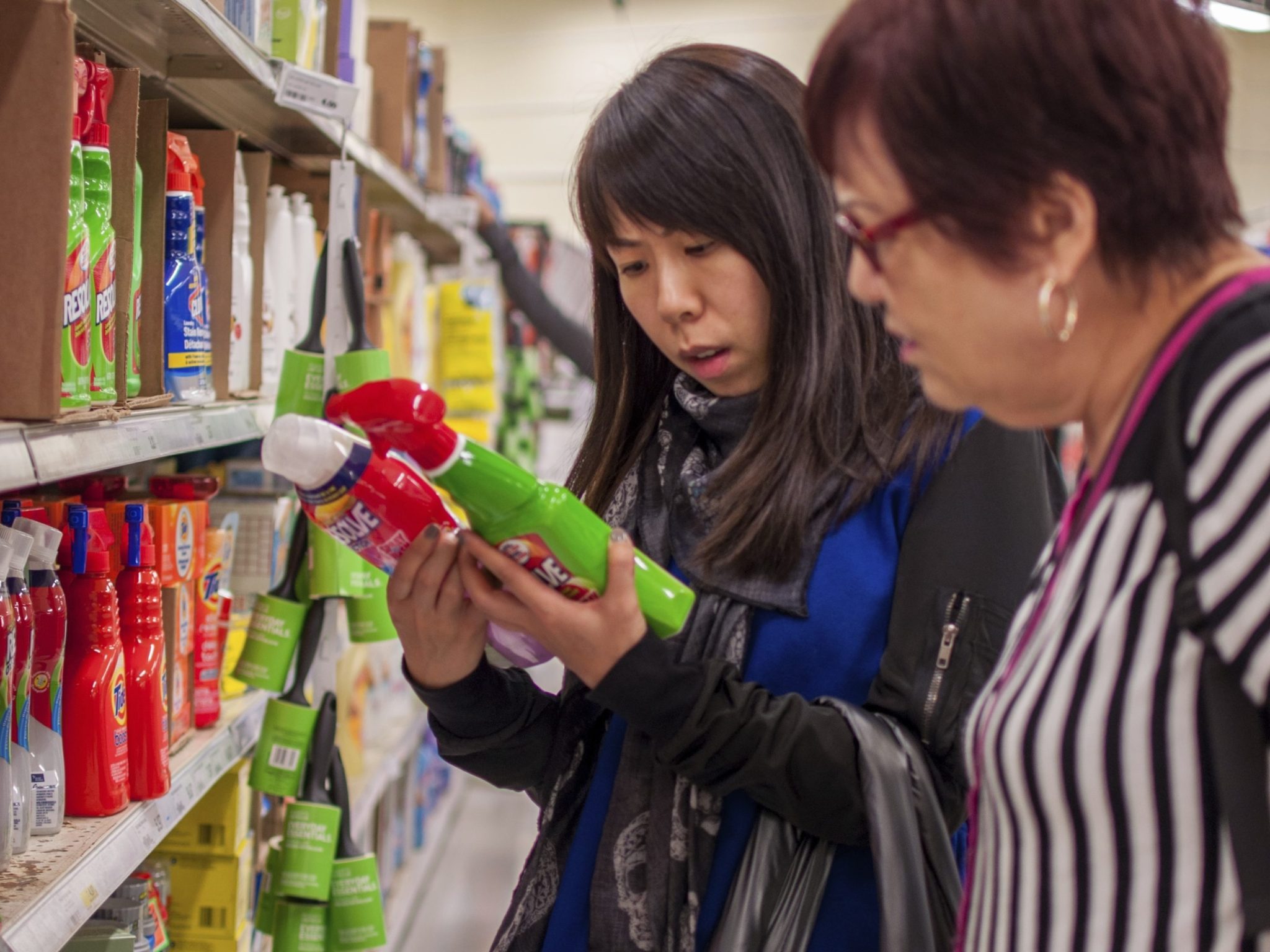
Unilever announced plans for frequent but incremental price increases on consumer goods, with geopolitical tensions including the Iran conflict cited as a contributing factor to rising costs. The company's CFO signaled a strategy of spreading price hikes across multiple quarters rather than implementing one large increase.
Unilever's announcement reflects broader inflationary pressures rippling through consumer staples manufacturing. The company explicitly links pricing strategy to geopolitical risk, specifically the Iran situation, which typically impacts oil and shipping costs—critical inputs for detergent and household chemical production. This signals that multinational corporations are translating supply chain vulnerabilities directly into consumer pricing rather than absorbing costs internally.
The broader context reveals persistent inflation in commodities and logistics despite earlier projections of normalization. Unilever's approach of "small doses" of frequent increases differs from past strategies and suggests companies are learning that single large price hikes trigger consumer backlash and brand switching, whereas gradual increases often escape attention. This reflects evolving corporate psychology around demand elasticity in post-pandemic markets.
For investors and market participants, this signals continued pressure on consumer spending, particularly in price-sensitive categories. Households already stressed by housing and energy costs face new headwinds in discretionary spending on household goods. The admission that geopolitical factors drive pricing underscores how macroeconomic stability and supply chain resilience remain fragile, despite apparent economic recovery narratives.
Looking ahead, watch whether competitors follow Unilever's incremental pricing model or pursue alternative strategies. Consumer price sensitivity data will indicate whether gradual increases successfully mask inflation or simply extend margin compression across multiple quarters. If widespread adoption of this strategy occurs, it could sustain higher-for-longer inflation expectations and complicate central bank decisions around rate trajectories.
- →Unilever plans frequent, incremental price increases attributed partly to Iran geopolitical tensions affecting supply chains
- →The company is adopting a gradual pricing strategy to minimize consumer backlash compared to single large increases
- →Commodity and logistics inflation persist despite earlier recovery expectations, impacting household goods manufacturing
- →Consumer staples makers are translating geopolitical risks directly into pricing power rather than absorbing costs
- →Competitor pricing strategies and consumer spending data will indicate effectiveness of incremental increase approach