
US Army opens military bases for critical minerals processing plants
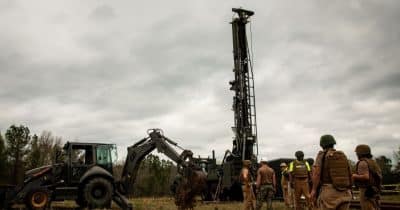
The US Army is opening military bases to host critical minerals processing plants as part of a domestic supply chain initiative. The move aims to strengthen national security, reduce reliance on foreign mineral sources, and support local economies, though it requires significant capital investment.
The US Army's decision to repurpose military infrastructure for critical minerals processing represents a strategic pivot toward supply chain resilience and domestic industrial capacity. Critical minerals—including rare earth elements, lithium, cobalt, and others essential for electronics, defense systems, and renewable energy—have become geopolitical leverage points as global supply chains concentrate in Asia and other regions. By utilizing existing military bases, the government leverages underutilized infrastructure and reduces site development costs while maintaining security oversight.
This initiative reflects broader US policy trends dating back to the Trump administration's focus on supply chain independence and accelerated by Biden-era efforts to rebuild domestic manufacturing. The Infrastructure Investment and Jobs Act and Critical Materials Strategy have prioritized mineral sourcing independence, particularly as EV adoption and renewable energy deployment surge globally.
For investors and industry participants, this creates opportunities in mining, processing technology, and logistics companies positioned to support defense department contracts. However, the initiative's success hinges on economic viability—processing critical minerals domestically typically costs more than importing refined materials. The announcement signals long-term government commitment to domestic production, potentially shifting investment patterns toward US-based mineral operations and technology providers.
Market watchers should monitor implementation timelines, specific mineral targets, and funding mechanisms. If successful, this could stimulate regional economies near military bases while reducing US vulnerability to supply disruptions. Conversely, if execution falters or costs prove prohibitive, it may become a cautionary tale about reshoring industrial capacity.
- →US military bases will host critical minerals processing to reduce foreign dependency and enhance national security.
- →The initiative leverages existing infrastructure to lower development costs while maintaining security protocols.
- →Success requires substantial investment and depends on competitive economics versus imported alternatives.
- →Domestic processing opportunities could attract investment in mining, technology, and logistics sectors.
- →Long-term commitment signals major policy shift toward supply chain independence for strategic materials.