GeneralBullishCrypto Briefing · Jun 257/10
📰The US Army is leasing military land for critical mineral processing facilities to reduce dependence on Chinese supply chains and strengthen domestic production capabilities. This strategic initiative aims to enhance national security while bolstering the domestic critical minerals industry, which is essential for defense, renewable energy, and technology applications.
GeneralBullishCrypto Briefing · Jun 237/10
📰Virtus Minerals has secured US backing to acquire cobalt and copper mines in the Democratic Republic of Congo, marking a strategic effort to diversify global mineral supply chains away from Chinese dominance. This development has significant implications for the tech and cryptocurrency industries, which depend heavily on these critical minerals for battery production and hardware manufacturing.
GeneralBearishCrypto Briefing · Jun 187/10
📰China has defended its export controls on critical minerals following criticism from the G7, exposing significant vulnerabilities in global supply chains. The situation underscores the geopolitical risks embedded in semiconductor, battery, and renewable energy production, prompting international calls for supply chain diversification.
GeneralBullishCrypto Briefing · Jun 117/10
📰Shin-Etsu Chemical is establishing a new rare-earth refinery in Japan to reduce reliance on Chinese supply chains and strengthen national resource security. This initiative reflects Japan's broader geopolitical strategy to diversify critical mineral sourcing and build domestic processing capacity.
GeneralBearishCrypto Briefing · Jun 10🔥 8/10
📰Dan Dreyfus highlights a critical US economic inflection point driven by surging demand for critical minerals essential to modern infrastructure and energy systems, while China maintains dominance in this sector. Aging US infrastructure combined with mineral supply vulnerabilities threatens long-term power security, prompting a trillion-dollar investment race to rebuild domestic capacity.
GeneralBearishCrypto Briefing · Jun 97/10
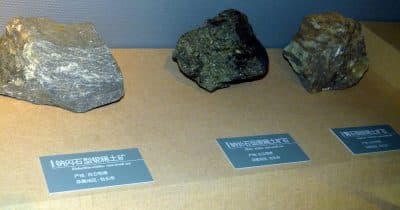
📰China's export restrictions on rare earth elements, particularly yttrium, are creating supply chain disruptions that drive up global prices. The controls expose critical vulnerabilities in international manufacturing and technology sectors, prompting countries and companies to pursue diversification and alternative sourcing strategies.
GeneralBullishCrypto Briefing · Jun 97/10
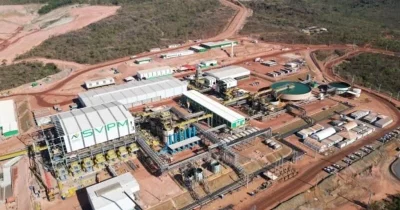
📰Western companies are increasing investments in Brazil's rare-earth mining sector as a strategic alternative to Chinese supply dominance. This shift aims to diversify global supply chains, mitigate geopolitical risks, and strengthen economic resilience in critical mineral markets.
GeneralNeutralCrypto Briefing · Jun 256/10
📰The US Army is opening military bases to host critical minerals processing plants as part of a domestic supply chain initiative. The move aims to strengthen national security, reduce reliance on foreign mineral sources, and support local economies, though it requires significant capital investment.
GeneralBullishBlockonomi · Jun 86/10
📰American Battery Technology's stock surged 30% following a successful appeal that restored $115 million in Department of Energy funding for its Nevada lithium refinery. The reversal of the grant termination represents a significant win for the company's critical minerals processing ambitions.
GeneralBullishCrypto Briefing · Jun 16/10
📰Tesla has withdrawn its threat to terminate a graphite supply agreement with Australian mining company Syrah Resources, signaling commitment to diversifying critical mineral sourcing away from China-dependent supply chains. The resolution reflects growing recognition among major EV manufacturers that securing reliable, non-Chinese sources of graphite—essential for battery production—is strategically vital.
AINeutralFortune Crypto · Apr 116/10
🧠Indonesia's Chief Investment Officer argues the nation can leverage its substantial critical minerals, renewable energy resources, and large population to become a global leader in AI and energy infrastructure, but only if governance and regulatory frameworks improve to match economic ambitions.