
The Iran war has turned the world’s shipping straits into a chessboard—and the U.S. aims to box out China from the Panama Canal to the Malacca Strait
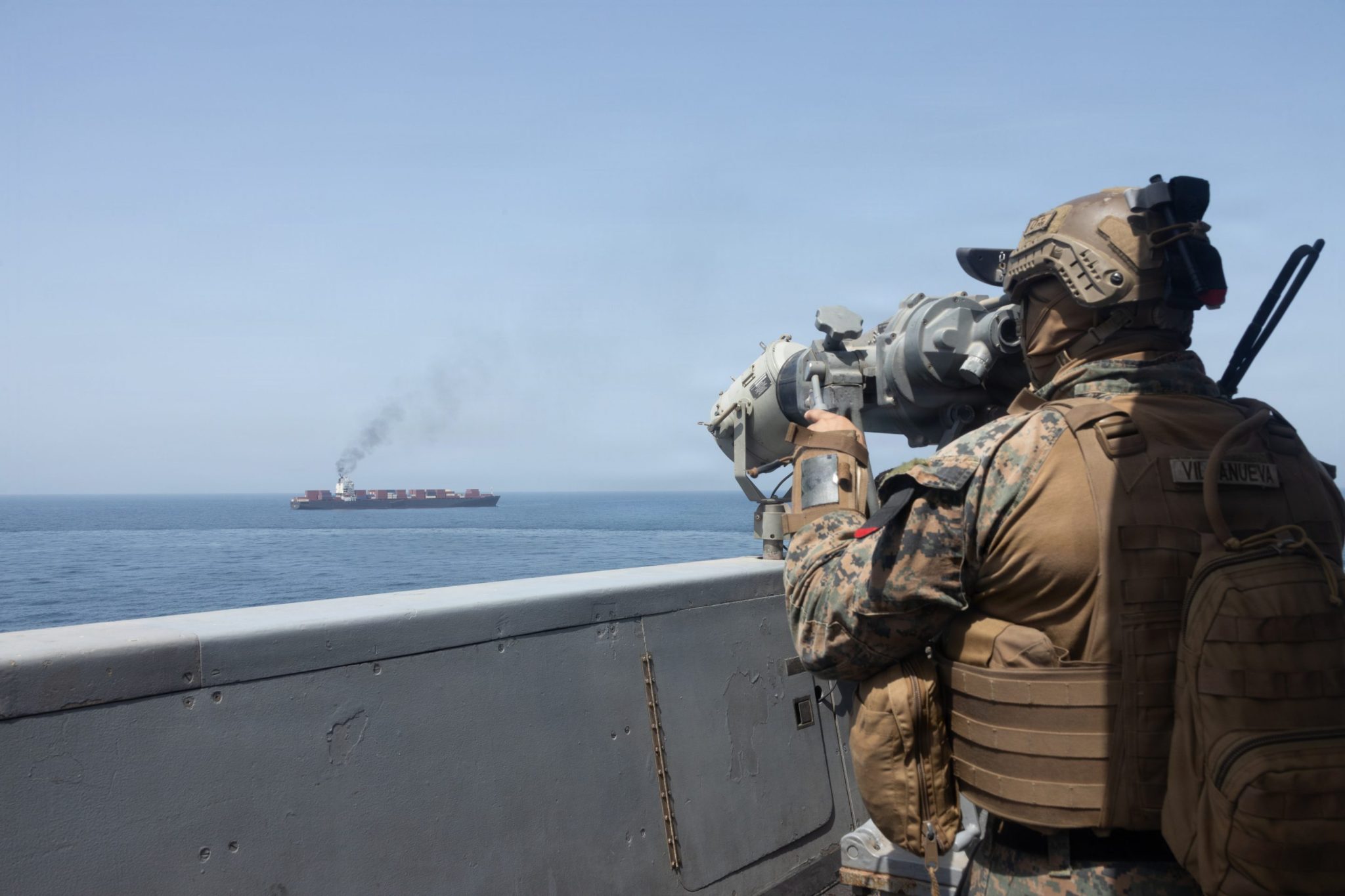
The U.S. is expanding strategic control over critical global shipping routes including the Panama Canal, Strait of Malacca, and Gibraltar amid ongoing tensions in the Strait of Hormuz, effectively constraining China's maritime access and trade routes. This geopolitical repositioning has significant implications for global commerce, energy flows, and international power dynamics.
The article highlights a critical shift in U.S. foreign policy strategy focused on controlling chokepoints in global maritime commerce. Rather than direct confrontation, Washington is consolidating influence over the Panama Canal, Malacca Strait, and Gibraltar—routes through which trillions of dollars in annual trade flows. This approach uses infrastructure dominance as a lever against China's Belt and Road expansion and growing economic influence.
Historically, these straits have been strategic prizes in great power competition. The Malacca Strait alone handles roughly one-third of global maritime trade, making it essential for energy security. The Hormuz conflict serves as a catalyst, demonstrating the vulnerability of alternative routes and justifying U.S. military positioning and diplomatic engagement with allied nations controlling these passages.
For markets and investors, this geopolitical positioning creates multiple impacts. Companies dependent on Asian-European supply chains face increased uncertainty and potential shipping cost volatility. Energy markets remain sensitive to Hormuz disruptions, affecting oil prices and inflation forecasts. Additionally, nations restricted from these routes may accelerate alternative infrastructure projects, creating opportunities in logistics, rail corridors, and pipeline development.
Looking ahead, watch for military escalation in the Red Sea and Persian Gulf, shifting alliances among straits-controlling nations, and potential retaliatory Chinese investments in alternative routes. The long-term outcome could reshape global trade patterns, potentially fragmenting commerce into regional blocs rather than integrated networks.
- →The U.S. is consolidating control over four critical maritime straits to constrain China's trade and energy access.
- →The Strait of Hormuz conflict serves as justification for expanded U.S. military presence and diplomatic influence globally.
- →Global supply chains face increased shipping volatility and potential cost inflation from geopolitical route control.
- →Nations blocked from traditional routes may accelerate alternative infrastructure including overland corridors and pipelines.
- →This strategy represents a shift from direct confrontation to infrastructure-based economic leverage in great power competition.