
US energy executives warn White House of dwindling oil reserves as Iran conflict drags on
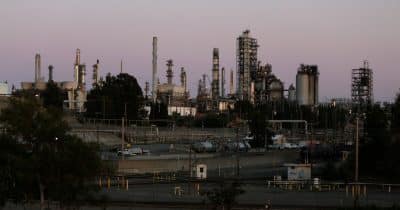
US energy executives are alerting the White House to concerns about declining oil reserves amid ongoing Iran-related geopolitical tensions. The situation threatens to sustain elevated oil prices, which could trigger inflationary pressures affecting consumer spending, manufacturing costs, and Federal Reserve monetary policy decisions.
The warning from US energy executives represents a significant pressure point in an already volatile macroeconomic landscape. Geopolitical tensions involving Iran create supply uncertainty in global oil markets, forcing prices higher despite potential demand softness. This dynamic directly influences crypto and broader financial markets, as oil price spikes typically correlate with stagflationary conditions that reshape asset allocation strategies.
Historically, oil supply disruptions tied to Middle Eastern conflicts have created structural inflation that central banks must address through policy tightening. The current situation follows decades of energy independence efforts in the US, yet global supply chains remain vulnerable to regional instability. Energy executives' warnings suggest reserve depletion concerns beyond typical operational cycles, indicating genuine supply-side constraints rather than temporary market dislocations.
For cryptocurrency investors and traders, sustained oil inflation matters considerably. Rising energy costs increase mining expenses, elevate blockchain infrastructure costs, and typically precede Fed rate hikes that can suppress risk asset valuations including crypto. Additionally, inflationary environments historically drive some capital toward hard assets like Bitcoin as inflation hedges, creating competing directional forces.
Monitoring strategic petroleum reserve levels and Iran tensions becomes critical for anticipating Fed policy responses. If inflation persists, expect tighter monetary conditions that could pressure speculative assets while potentially supporting Bitcoin's safe-haven narrative. Energy sector equities may outperform in this scenario, creating sector rotation dynamics that impact overall market sentiment and crypto capital flows.
- →US energy executives warn of dwindling oil reserves amid Iran conflict, signaling potential sustained supply constraints.
- →Rising oil prices driven by supply disruptions pose inflationary risks affecting consumer behavior and manufacturing economics.
- →Sustained oil inflation typically triggers Federal Reserve rate hikes, which can pressure speculative assets including cryptocurrencies.
- →Energy cost increases directly impact cryptocurrency mining profitability and blockchain infrastructure expenses.
- →Geopolitical oil supply tensions create competing narratives: stagflation concerns versus inflation-hedge demand for hard assets like Bitcoin.