
US inflation hits three-year high as consumer spending rises in May
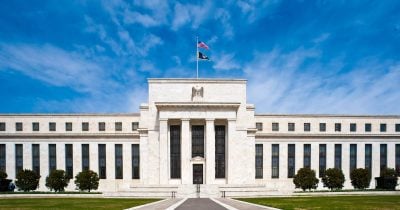
US inflation reached a three-year high in May as consumer spending continued to rise, creating pressure on the Federal Reserve to potentially adjust monetary policy. This dynamic of accelerating inflation outpacing wage growth threatens consumer purchasing power and could influence market sentiment across traditional and digital asset classes.
The confluence of elevated inflation and robust consumer spending presents a complex macroeconomic challenge. Rising prices erode real wages, yet continued consumer demand suggests households are either drawing down savings or taking on additional debt to maintain spending levels. This pattern historically precedes either policy tightening or demand destruction, both of which carry implications for risk assets including cryptocurrencies.
The Federal Reserve faces a policy dilemma. Higher inflation typically justifies interest rate increases or extended monetary tightening, measures that strengthen the US dollar and increase borrowing costs. Conversely, weak consumer spending would normally warrant accommodation. The current scenario—high inflation concurrent with strong spending—suggests the Fed may need to act more aggressively than markets currently anticipate, potentially catching investors off guard.
For cryptocurrency markets, persistent inflation coupled with potential Fed tightening creates headwinds. Digital assets have historically served as inflation hedges, but rising rates tend to reduce demand for non-yielding assets. The crypto sector's performance will largely depend on whether markets perceive inflation as transitory or structural, and whether rate expectations adjust accordingly.
Investors should monitor Fed communications closely for signals of policy shifts. Economic data releases regarding wage growth, consumer savings rates, and inflation expectations will prove critical in determining whether current spending patterns are sustainable or if a demand slowdown looms. The interplay between inflation persistence and monetary policy response will shape market volatility across sectors in coming months.
- →US inflation reached three-year highs while consumer spending remained elevated, creating pressure for potential Federal Reserve policy adjustments.
- →Inflation outpacing wage growth erodes real consumer purchasing power and threatens the sustainability of current spending patterns.
- →Fed tightening in response to inflation typically strengthens the dollar and increases borrowing costs, creating headwinds for crypto assets.
- →Market reaction will depend on whether inflation is perceived as transitory or structural and how aggressively the Fed responds.
- →Monitoring Fed communications and upcoming inflation data is critical for assessing near-term market direction and asset valuations.