
Qatari negotiators in Tehran to finalize US-Iran ceasefire deal
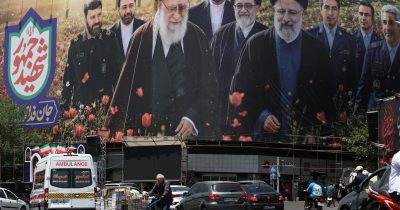
Qatari negotiators are in Tehran to finalize a ceasefire agreement between the US and Iran, a development with significant implications for global geopolitical stability and international markets. Such a deal could reshape diplomatic relations and influence macroeconomic conditions affecting crypto and traditional asset valuations.
The ongoing negotiations between US and Iranian representatives, mediated by Qatar, represent a pivotal moment in Middle Eastern diplomacy. A successful ceasefire would mark a substantial de-escalation after years of regional tensions, proxy conflicts, and occasional direct military confrontations. The geopolitical significance extends beyond the immediate parties involved, as Middle Eastern stability directly influences global energy markets, risk sentiment, and capital flows.
This diplomatic effort reflects broader international efforts to reduce regional tensions that have persisted since the 2015 nuclear deal's collapse and subsequent sanctions escalations. The involvement of Qatar as a neutral mediator underscores the importance of establishing credible third-party frameworks for resolving entrenched conflicts. Such developments typically precede shifts in global risk appetite and investor positioning across asset classes.
For cryptocurrency and financial markets, geopolitical de-escalation generally reduces macroeconomic uncertainty and can support risk-on sentiment. Lower geopolitical premium in oil prices may ease inflation concerns, potentially influencing central bank policy trajectories and interest rate expectations. These factors indirectly affect crypto valuations by altering macro conditions. Additionally, reduced sanctions rhetoric could affect blockchain adoption in sanctioned jurisdictions and cross-border payment dynamics through traditional channels.
Investors should monitor whether negotiations succeed and how rapidly sanctions measures might be unwound. A sustained ceasefire could signal the beginning of regional reintegration into global markets, while failure could trigger renewed risk-off positioning. The outcome carries implications for long-term macro volatility rather than immediate trading signals.
- →Qatari-mediated negotiations aim to finalize a US-Iran ceasefire, potentially reducing Middle Eastern geopolitical tensions.
- →Successful de-escalation typically reduces geopolitical risk premium and supports risk-on market sentiment.
- →Lower regional tensions may ease oil price pressures and influence global inflation expectations and policy decisions.
- →Crypto markets benefit indirectly from reduced geopolitical uncertainty through improved macro conditions and capital flow normalization.
- →Investor focus should be on whether negotiations succeed and how sanctions frameworks are modified post-agreement.