
US-Iran conflict drives energy prices, fuels inflation concerns
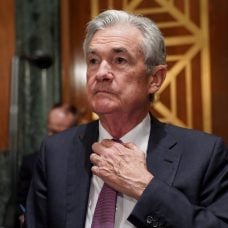
Escalating US-Iran geopolitical tensions are driving up global energy prices, creating inflationary pressure that complicates central bank monetary policy decisions. This energy shock threatens economic stability and prolongs the inflation challenges that markets have struggled with, creating headwinds for both traditional and cryptocurrency markets.
Geopolitical conflicts in the Middle East have historically triggered energy market volatility, and the current US-Iran tensions follow this pattern. When crude oil and natural gas prices spike due to supply concerns or regional instability, production costs rise across economies, feeding into broader inflation metrics. Central banks facing persistent inflation must weigh the trade-off between rate increases that could slow growth and accepting higher price pressures that erode purchasing power.
This dynamic matters for cryptocurrency markets because inflation and monetary policy uncertainty drive investor behavior toward alternative assets. Rising energy costs also have direct implications for crypto mining profitability—higher electricity prices compress margins for proof-of-work networks like Bitcoin. Simultaneously, inflationary spirals historically boost demand for inflation hedges, a role crypto advocates argue digital assets can serve.
For traditional markets, prolonged inflation from energy shocks reduces corporate profit margins and consumer spending, creating recessionary risks that typically prompt risk-off sentiment across assets. Cryptocurrency volatility tends to increase during periods of macro uncertainty, as investors reassess portfolio positioning and monetary policy expectations shift.
Monitoring energy prices and geopolitical developments remains critical, as further escalation could trigger additional commodity price spikes. The intersection of energy inflation, monetary policy constraints, and macroeconomic uncertainty creates an environment where both traditional and digital assets experience heightened volatility and repricing pressure.
- →US-Iran tensions are pushing energy prices higher, intensifying inflationary pressures across global economies.
- →Rising oil and gas costs increase operational expenses for crypto mining, directly affecting network profitability.
- →Central banks face difficult trade-offs between rate hikes to combat inflation and avoiding economic slowdown.
- →Periods of macro uncertainty and inflation typically increase cryptocurrency volatility as investors reassess risk exposure.
- →Further geopolitical escalation could trigger additional commodity shocks with cascading effects on both traditional and crypto markets.