
US-Iran deal could ease energy prices, reopen Strait of Hormuz
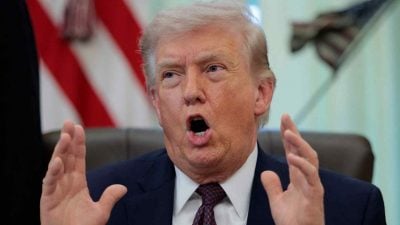
A potential US-Iran nuclear deal could stabilize global energy markets by reducing geopolitical tensions and lowering oil price volatility. Such an agreement would likely reopen the Strait of Hormuz to Iranian exports, increasing crude supply and moderating energy costs across global economies.
Geopolitical tensions between the United States and Iran have long created uncertainty in energy markets, with the Strait of Hormuz serving as a critical chokepoint for global oil transportation. A negotiated settlement between these powers represents a significant macroeconomic development that extends beyond traditional political analysis into financial markets. The prospect of normalized trade relations would increase crude oil supply, potentially reducing prices that have been artificially elevated by sanctions and supply restrictions.
The historical context reveals that previous sanctions regimes and military posturing have contributed to oil price spikes, creating downstream inflation across energy-dependent economies. Markets have repeatedly priced in geopolitical risk premiums whenever tensions escalate in the Persian Gulf. A diplomatic resolution would eliminate much of this uncertainty, allowing energy markets to function based on fundamental supply-demand dynamics rather than geopolitical brinkmanship.
For cryptocurrency and digital asset markets, lower energy prices translate to reduced operational costs for mining operations and blockchain infrastructure, improving profit margins for energy-intensive protocols. Macroeconomic stabilization through lower energy costs could reduce inflationary pressures that have driven central banks toward tightening monetary policies, potentially creating more favorable conditions for risk assets including crypto markets. Lower oil prices typically correlate with improved economic sentiment and reduced demand for inflation hedges.
Investors should monitor negotiations closely for signs of breakthrough or stalemate. Any concrete progress toward reopening the Strait of Hormuz would likely trigger immediate market reactions across energy commodities and downstream effects in traditional and digital asset markets.
- →A US-Iran deal would increase global crude oil supply by reopening the Strait of Hormuz to Iranian exports.
- →Energy price stabilization reduces inflation pressures and improves conditions for risk assets including cryptocurrencies.
- →Lower energy costs directly benefit blockchain mining operations and reduce infrastructure expenses for digital networks.
- →Elimination of geopolitical risk premiums in oil markets signals broader macroeconomic stabilization benefiting growth-oriented investments.
- →Diplomatic resolution would shift energy markets from political speculation to fundamental supply-demand pricing.