
Oil falls as supply flows through Strait of Hormuz after US-Iran peace deal
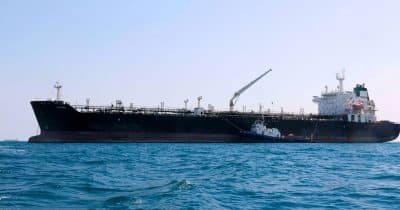
A US-Iran peace deal has increased oil supply flows through the Strait of Hormuz, causing oil prices to decline. The agreement may provide temporary market stabilization, though underlying geopolitical uncertainties remain that could impact future negotiations and broader economic conditions.
The US-Iran peace deal represents a significant diplomatic development with direct implications for global energy markets. By reopening supply channels through the Strait of Hormuz—a critical chokepoint responsible for roughly 20% of global oil transit—the agreement increases available crude supply and exerts downward pressure on prices. This supply normalization reflects reduced geopolitical risk premium that had previously inflated oil valuations due to tensions and potential sanctions-related constraints.
Historically, US-Iran relations have driven substantial oil market volatility. Previous sanctions regimes and military tensions created supply uncertainty that pushed prices higher. The current deal reverses this dynamic by removing barriers to Iranian oil exports and reducing the likelihood of military confrontation that could disrupt shipping lanes. This context explains why energy traders view the agreement as market-stabilizing in the near term.
For cryptocurrency and blockchain markets, lower oil prices typically correlate with reduced macroeconomic inflation expectations, which can support risk asset valuations including digital assets. Investors tracking energy markets as leading indicators of broader economic conditions should monitor whether this oil decline signals reduced inflationary pressures or represents a temporary adjustment. The deal's implications depend heavily on implementation durability—premature agreement breakdown could quickly reverse supply gains and reignite price volatility.
Market participants should monitor upcoming OPEC production decisions and Iranian export data to assess whether supply increases persist. Geopolitical surveillance remains essential, as unforeseen escalations could rapidly restore supply constraints. The coming months will determine whether this represents genuine regime normalization or tactical positioning vulnerable to reversal.
- →US-Iran peace deal increases oil supply flows, causing prices to fall as geopolitical risk premium diminishes
- →Strait of Hormuz reopening normalizes critical energy supply routes that drive global pricing
- →Lower oil prices may benefit cryptocurrency markets by reducing inflation expectations
- →Deal durability remains uncertain; geopolitical risks could quickly reverse supply gains
- →Energy market stabilization depends on consistent implementation and absence of escalation triggers