
US and Iran sign initial peace deal, lifting oil sanctions and reopening Strait of Hormuz
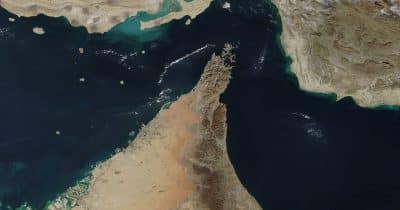
The US and Iran have signed an initial peace agreement that lifts oil sanctions and reopens the Strait of Hormuz, with nuclear negotiations to be finalized within 60 days. This geopolitical development has significant implications for global energy markets and cryptocurrency valuations, particularly assets correlated with oil prices and risk sentiment.
A diplomatic breakthrough between the US and Iran represents a major shift in Middle Eastern geopolitics with cascading effects on global markets. The lifting of oil sanctions and reopening of the Strait of Hormuz—a critical chokepoint controlling roughly 20% of global oil trade—directly impacts energy prices, inflation expectations, and macroeconomic stability. These factors historically influence cryptocurrency markets, where Bitcoin and other assets often move inversely to geopolitical risk premiums and oil volatility.
The deal emerges after years of escalating tensions, economic sanctions, and nuclear standoffs. Previous rounds of sanctions had tightened energy supplies, pushing oil prices higher and contributing to inflationary pressures globally. A normalized Iran-US relationship could increase crude supply, potentially reducing energy costs and alleviating inflation concerns that have kept central banks hawkish.
For crypto investors, lower oil prices and reduced geopolitical risk appetite could shift capital allocation. During high-risk periods, investors often flee to safe havens like Bitcoin; normalized conditions typically reduce this flight-to-safety premium. The agreement may also ease broader market sentiment, potentially favoring risk assets and reducing volatility across equities and cryptocurrencies.
The 60-day nuclear negotiation window creates a critical juncture. If talks succeed, the deal's stabilizing effect on global markets could persist, supporting risk asset valuations. Conversely, negotiation failure could reignite tensions and restore the geopolitical risk premium. Investors should monitor nuclear developments closely, as any deterioration could rapidly repriced energy markets and risk sentiment across cryptocurrency assets.
- →Oil sanctions lifted and Strait of Hormuz reopened, potentially increasing crude supply and reducing energy prices.
- →Geopolitical risk premium may decrease, shifting investor capital away from safe-haven assets like Bitcoin.
- →Lower inflation expectations from reduced oil prices could influence central bank policy and broader market conditions.
- →Nuclear negotiations over next 60 days represent critical trigger point for market stability and sentiment.
- →Crypto volatility may normalize if deal stability persists, reducing crisis-driven trading patterns.