
US and Iran sign peace deal amid ongoing 2026 war, reopen Strait of Hormuz
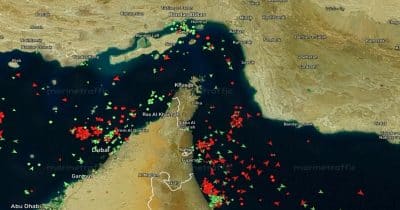
The US and Iran have signed a peace deal that reopens the Strait of Hormuz despite ongoing 2026 conflict, potentially stabilizing global oil markets. However, unresolved issues remain that could continue affecting regional stability and future diplomatic relations between the two nations.
The reported US-Iran peace agreement represents a significant geopolitical development with direct implications for energy markets and cryptocurrency valuations. The reopening of the Strait of Hormuz, a critical chokepoint controlling roughly 20% of global oil transit, addresses one of the most acute supply-chain vulnerabilities in international commerce. This deal, negotiated amid active military conflict, suggests pragmatic recognition of mutual economic interests overriding ideological opposition.
The agreement emerges from decades of US-Iran tensions, including the 2015 nuclear deal's collapse, subsequent sanctions escalations, and proxy conflicts throughout the Middle East. The paradox of achieving diplomatic progress while hostilities continue reflects the compartmentalization common in modern geopolitical disputes—allowing parties to negotiate narrow economic zones while maintaining broader strategic competition.
For crypto and financial markets, stabilized oil supplies reduce inflation pressures that have historically driven alternative asset demand. Lower energy costs could moderate Fed rate-hiking cycles, potentially supporting risk assets. Bitcoin and altcoins have shown correlation with geopolitical risk premiums; reduced Middle East tensions could suppress safe-haven flows but improve overall market liquidity and institutional risk appetite.
Investors should monitor whether unresolved territorial and security issues resurface, potentially destabilizing the agreement. The sustainability of this deal depends on whether underlying disputes receive meaningful resolution or merely temporary management. Market participants should track oil price movements and broader Middle East developments as leading indicators of the deal's durability.
- →US-Iran peace deal reopens Strait of Hormuz, addressing global oil supply concerns and potential inflation drivers.
- →Agreement negotiated during active conflict suggests pragmatic economic interests override ideological positions.
- →Stabilized oil markets could reduce inflation pressures and support risk assets including cryptocurrency.
- →Unresolved geopolitical issues present ongoing destabilization risks to the agreement's long-term viability.
- →Investors should monitor Middle East developments as leading indicators of market stability implications.