
US-Iran peace deal boosts Asian markets as Strait of Hormuz reopens
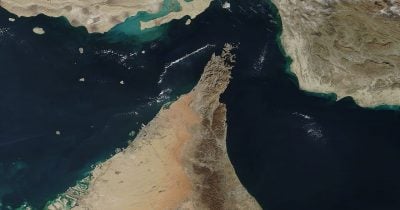
A reported US-Iran peace deal and reopening of the Strait of Hormuz could stabilize global oil prices and reduce inflationary pressures, potentially benefiting Asian markets and broader economic sentiment. The geopolitical development signals reduced Middle East tensions and may enhance investor confidence in growth prospects across the region.
Geopolitical tensions in the Middle East have historically created volatility in energy markets, with the Strait of Hormuz serving as a critical chokepoint for approximately 20% of global oil transit. A US-Iran peace agreement would theoretically reduce supply-side shocks that have contributed to oil price spikes and subsequent inflation across developed and emerging economies. This stabilization effect carries significance for cryptocurrency and broader financial markets, as crude oil prices correlate with inflation expectations, central bank policy trajectories, and risk asset valuations.
Asian markets have experienced particular sensitivity to energy price fluctuations due to regional import dependency and elevated inflation concerns over the past three years. A peace deal framework could moderate long-term energy cost expectations, potentially allowing central banks in the region to adopt less hawkish monetary policies. This scenario supports equity valuations and reduces the opportunity cost of holding non-yielding assets like Bitcoin and other cryptocurrencies.
The cryptocurrency sector specifically responds positively to reduced geopolitical tail risks and lower macroeconomic uncertainty. Lower oil prices and inflation expectations typically reduce real rates pressures, creating a more favorable environment for speculative assets. However, the article provides minimal concrete details about deal terms or implementation timelines, limiting assessment of actual market impact probability.
Investors should monitor whether this peace accord translates into tangible crude price declines and inflation data revisions. The sustainability of any geopolitical thaw depends on implementation mechanisms and ongoing compliance verification. Additional clarity on sanctions relief frameworks and trade normalization would better inform market positioning.
- →US-Iran peace agreement could stabilize global oil prices and reduce inflationary pressures across markets
- →Strait of Hormuz reopening removes a significant supply-side risk premium from energy markets
- →Lower energy costs and inflation expectations support crypto and risk assets valuations
- →Asian markets particularly benefit from reduced geopolitical tensions affecting energy-dependent economies
- →Concrete implementation details remain unclear and will determine actual market impact