
Oil prices ease as US-Iran talks show signs of progress
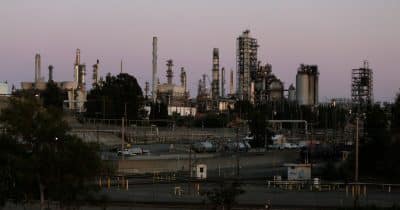
Progress in US-Iran nuclear negotiations is easing crude oil prices, which could reduce inflationary pressures in energy markets. Lower energy costs may create favorable conditions for speculative assets including cryptocurrencies, as inflation concerns ease and risk appetite potentially strengthens.
US-Iran diplomatic talks advancing toward a potential nuclear agreement represents a significant development for global energy markets. Oil prices have historically been volatile around geopolitical tensions between these two nations, with sanctions and military posturing driving uncertainty. As negotiators show tangible progress toward an accord, markets are pricing in reduced geopolitical risk premiums that have kept crude elevated. This dynamic matters because energy costs represent a substantial component of inflation, affecting central bank monetary policy and broader asset valuations across markets.
The backdrop for these talks involves years of escalating sanctions, regional tensions, and market uncertainty. Any credible progress toward normalizing US-Iran relations could unlock additional Iranian oil supply onto global markets, increasing downward pressure on prices. Lower energy inflation may give central banks more flexibility to moderate aggressive rate hikes, which have pressured risk assets. This scenario particularly benefits cryptocurrencies, which have struggled during periods of rising rates and inflation concerns.
For crypto investors and markets, easing oil prices and inflation expectations could shift sentiment favorably. Bitcoin and other digital assets have demonstrated inverse correlations with real yields and inflation expectations during recent cycles. Reduced energy cost pass-through to consumer prices might ease recession fears and support riskier assets. Crypto traders should monitor oil price movements and inflation data releases as leading indicators for broader market sentiment shifts.
- →US-Iran diplomatic progress is reducing oil price premiums tied to geopolitical risk
- →Lower energy costs could moderate inflation pressures and influence central bank policy
- →Decreased inflation expectations may improve sentiment toward speculative assets like cryptocurrencies
- →Oil and crypto markets show inverse relationships with real yields and inflation expectations
- →Sustained talks could unlock additional Iranian supply, maintaining downward pressure on crude