
US and Iran exchange strikes as Hormuz deal hopes fade
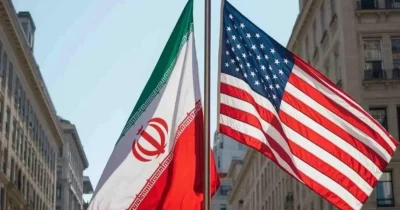
Escalating military tensions between the US and Iran threaten the stability of global oil supplies, particularly through the critical Strait of Hormuz. The deterioration of diplomatic prospects raises risks of supply disruptions that could trigger inflationary pressures, reshape monetary policy expectations, and create volatility across risk assets including cryptocurrencies.
US-Iran military exchanges represent a critical geopolitical flashpoint with direct implications for global energy markets. The Strait of Hormuz serves as a chokepoint for approximately 20% of global petroleum transit, making any disruption a systemic economic risk. As diplomatic negotiations fade, the probability of supply-side shocks increases, which historically translates into crude oil price spikes and broader inflationary dynamics.
Geopolitical tensions in the Middle East have cyclically impacted oil markets for decades, but recent escalations occur amid an already fragile macro environment. Central banks worldwide are attempting to manage inflation through monetary tightening, and an energy supply shock would complicate these efforts significantly. Higher oil prices feed into headline inflation, potentially forcing policymakers to maintain elevated interest rates longer than markets currently price in.
For cryptocurrency and risk asset markets, the implications are multifaceted. Elevated oil prices typically correlate with stagflationary concerns, which historically suppresses equity valuations and risk appetite. Bitcoin and equities have shown positive correlation during risk-off episodes, suggesting a broader flight-to-safety dynamic rather than safe-haven demand for crypto specifically. Investors may face margin pressures as energy costs rise, reducing leverage capacity across financial markets.
Monitoring developments in Hormuz negotiations and any actual supply disruptions becomes essential for macro-oriented traders. Additional sanctions, blockades, or military incidents could accelerate oil price moves and trigger cascading effects through inflation expectations and central bank policy revisions. The crypto market's response will largely depend on whether geopolitical shocks reinforce or contradict prevailing monetary policy trajectories.
- →US-Iran military escalation threatens stability of the Strait of Hormuz, a critical global oil transit route handling 20% of world petroleum
- →Potential oil supply disruptions could reignite inflationary pressures and force central banks to maintain higher interest rates longer
- →Risk assets including cryptocurrencies may face headwinds if geopolitical tensions trigger broader market deleveraging and margin compression
- →Diplomatic deal collapse increases probability of sanctions or blockades that could create sharp, disruptive commodity price moves
- →Investors should monitor Hormuz incident reports and oil futures curves as leading indicators of macro spillover effects