
US military strikes Iran as Gulf hostilities escalate, shares retreat and oil tops $100
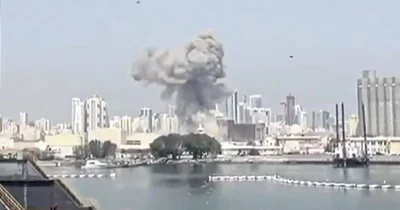
US military strikes on Iran have triggered escalating Gulf tensions, causing equity markets to decline and crude oil prices to exceed $100 per barrel. This geopolitical crisis threatens global financial stability and could influence central bank monetary policies, with direct implications for cryptocurrency and traditional asset valuations.
The US military strikes on Iran represent a significant escalation in Middle East tensions that extends beyond regional politics into global macroeconomic consequences. The immediate spike in oil prices above $100 per barrel reflects market concerns about potential supply disruptions and sustained conflict, creating inflationary pressure across energy-dependent economies worldwide.
Historically, US-Iran military confrontations have served as major risk-on/risk-off catalysts in financial markets. Previous escalations in 2019-2020 demonstrated how geopolitical shocks can trigger flight-to-safety dynamics, driving investors away from equities and speculative assets like cryptocurrencies. The current situation follows months of rising Middle East tensions, suggesting this represents an inflection point rather than an isolated incident.
For cryptocurrency markets specifically, the oil price surge and equity market retreat create divergent pressures. Traditional flight-to-safety dynamics typically benefit Bitcoin and gold as non-correlated stores of value, potentially driving crypto prices higher as investors hedge against currency debasement and market volatility. However, broader risk-off sentiment can initially suppress speculative trading across all asset classes, including digital assets.
Central banks face difficult decisions as elevated oil prices threaten to reignite inflation concerns, complicating interest rate strategies. This macroeconomic uncertainty directly impacts cryptocurrency valuations, which remain sensitive to monetary policy shifts and real yields. Investors should monitor for potential emergency policy interventions, additional sanctions, or escalatory military responses that could further destabilize global markets and trigger increased volatility across all asset classes.
- →Oil prices exceeded $100 per barrel following US military strikes on Iran, signaling supply disruption concerns
- →Equity market declines triggered by geopolitical risk suggest traditional flight-to-safety sentiment among investors
- →Cryptocurrency markets face conflicting pressures from both hedging demand and broader risk-off positioning
- →Central bank monetary policy decisions will be complicated by renewed inflationary pressure from elevated energy costs
- →Sustained Middle East tensions could create prolonged market volatility affecting both traditional and digital asset strategies