
US commercial oil inventories fall to 434M barrels, lowest in 20 years
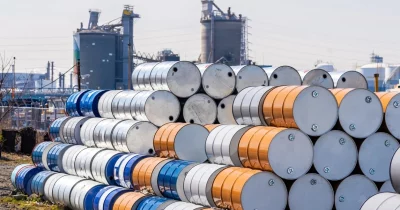
US commercial oil inventories have declined to 434 million barrels, marking the lowest level in 20 years. This reduction constrains the nation's ability to respond to supply disruptions, potentially amplifying market volatility and raising energy security concerns amid global geopolitical tensions.
The collapse of US oil inventories to two-decade lows represents a structural tightening in global energy markets with cascading implications for macroeconomic stability and risk asset valuations. Historically, strategic and commercial reserves serve as economic shock absorbers during supply disruptions. At current levels, this buffer has substantially eroded, meaning unexpected outages—whether from geopolitical conflict, production failures, or natural disasters—lack sufficient inventory cushion to stabilize prices.
Multiple factors converge to explain this drawdown. Post-pandemic demand recovery, OPEC+ production cuts maintaining higher prices, and strategic petroleum reserve releases have all contributed to depleted stockpiles. The trend accelerated as refineries ramped operations and exporters tightened supply to support prices, leaving commercial holders with minimal excess capacity.
For crypto and broader financial markets, constrained oil inventories elevate inflation expectations and energy cost volatility. Higher energy prices feed into transportation, manufacturing, and logistics costs, reinforcing inflationary pressures that central banks combat through rate hikes—a dynamic that historically pressures risk assets including cryptocurrencies. Traders watch crude volatility as a macroeconomic risk indicator; inventory tightness increases the probability of sharp price spikes.
Energy security implications extend to geopolitical risk. Limited inventory flexibility during sanctions regimes, supply disruptions, or conflict scenarios forces policymakers toward destabilizing interventions. Markets will closely monitor whether strategic reserves are released again or if production accelerates. Any further inventory declines amid tightening fundamentals could trigger sustained crude rallies that ripple through energy stocks and crypto volatility.
- →US oil inventories at 434M barrels represent a 20-year low, eliminating critical buffer capacity for supply shocks
- →Reduced inventory flexibility increases the risk of sharper price volatility in crude oil markets
- →Higher energy costs amplify inflation expectations, creating headwinds for risk assets including cryptocurrencies
- →Geopolitical disruptions now pose outsized market risks due to constrained spare capacity in the system
- →Strategic reserve releases and production acceleration are likely policy responses to monitor in coming months