
Iran crypto crackdown deepens as US targets IRGC wallets
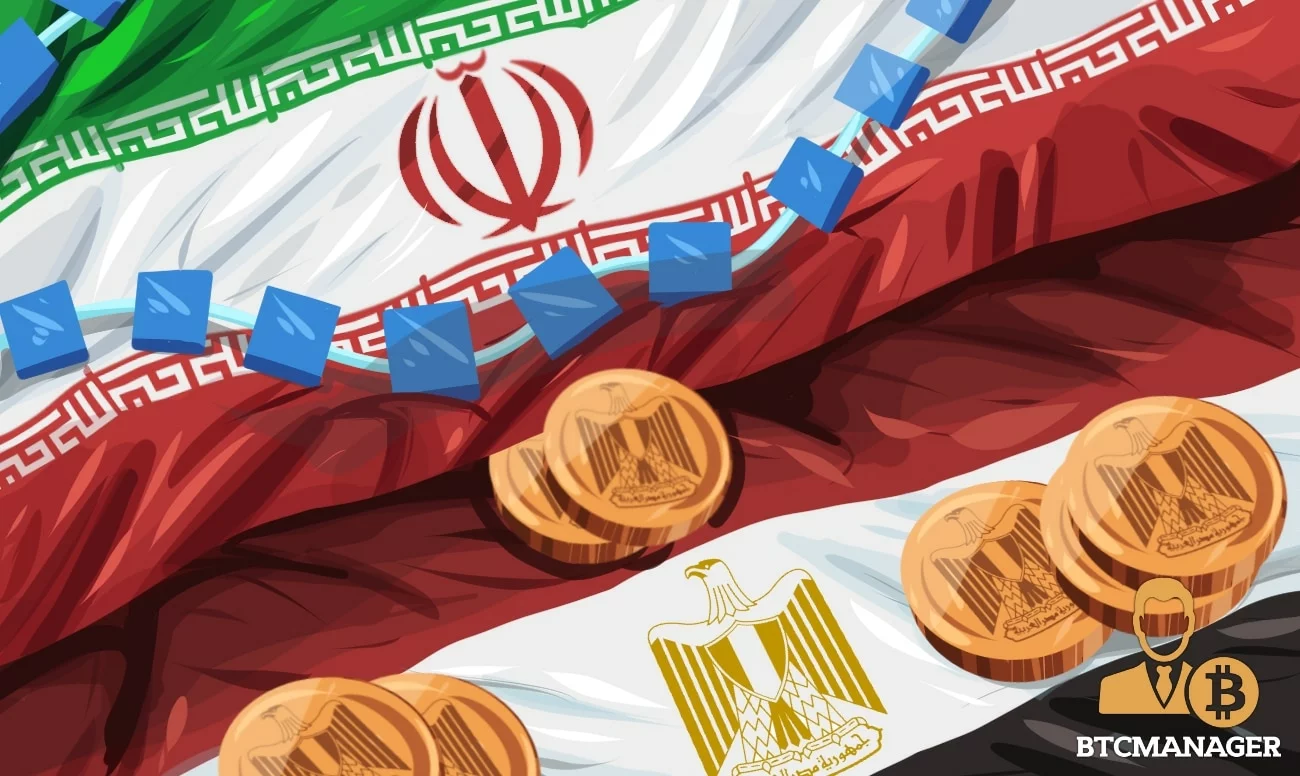
The U.S. Treasury has seized approximately $1 billion in cryptocurrency allegedly linked to Iran, escalating Washington's financial sanctions against Tehran. This action represents a significant expansion of the U.S. government's enforcement capabilities in disrupting illicit crypto flows tied to state actors and designated entities.
The Treasury's seizure of nearly $1 billion in Iranian-linked cryptocurrency marks a watershed moment in how governments weaponize blockchain forensics and enforcement mechanisms against state-level actors. This action demonstrates that U.S. authorities have developed sophisticated tracking capabilities to identify and freeze digital assets, even across decentralized networks. The seizure targets alleged IRGC (Islamic Revolutionary Guard Corps) wallets, indicating the U.S. is moving beyond traditional banking channels to disrupt Iran's access to hard currency and sanctions evasion networks.
This enforcement action reflects years of escalating crypto-related sanctions against Iran. The Islamic Republic has increasingly turned to cryptocurrency mining and digital asset holdings as alternative mechanisms to circumvent SWIFT-based sanctions and traditional financial restrictions. Previous administrations have targeted Iranian exchanges and mining operations, but direct wallet seizures represent an evolution in enforcement sophistication.
For the broader crypto ecosystem, this action carries mixed implications. It validates cryptocurrency's transparency for law enforcement purposes—public blockchains allowed authorities to trace and freeze assets that might remain hidden in traditional finance. However, it also signals that governments view crypto holdings as vulnerable enforcement targets, potentially accelerating adoption of privacy-focused solutions and decentralized custody methods among both legitimate users and bad actors.
Market participants should monitor whether this seizure sparks broader OFAC designations of Iranian crypto infrastructure or crypto exchanges. The precedent may encourage other governments to pursue similar asset recovery operations, potentially creating new regulatory frameworks around state-level asset freezing on blockchain networks.
- →U.S. Treasury seized ~$1 billion in cryptocurrency linked to Iran's IRGC, demonstrating advanced blockchain forensics capabilities.
- →The action targets state-level sanctions evasion as Iran increasingly relies on crypto to circumvent traditional financial restrictions.
- →Public blockchain transparency enabled this seizure, validating law enforcement tools while highlighting custodial risks for crypto holders.
- →Precedent may encourage similar state-actor asset recovery operations and stricter OFAC designations across crypto infrastructure.
- →Iranian entities may accelerate migration toward privacy coins or decentralized custody to evade future enforcement actions.