CryptoBearishChainalysis Blog · Apr 10🔥 8/10
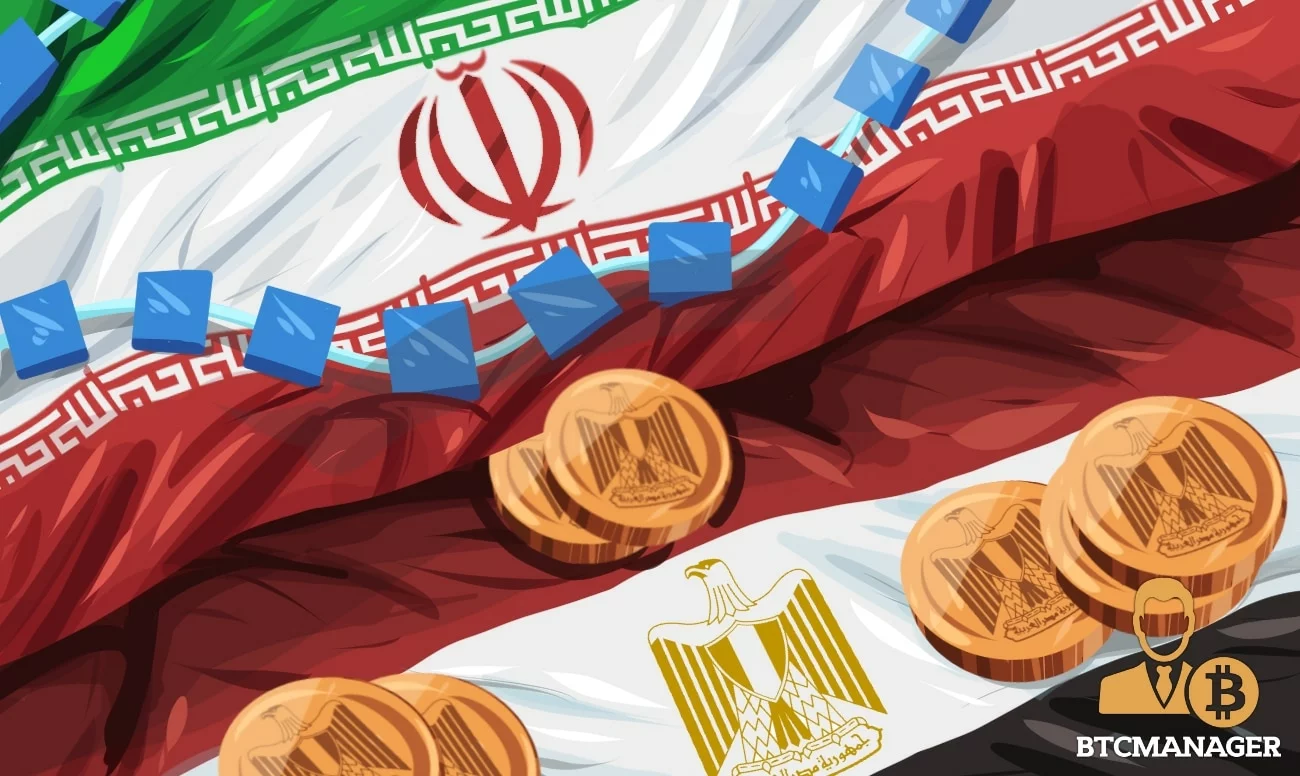
⛓️According to Bloomberg reporting on April 1, 2026, Iran's Islamic Revolutionary Guard Corps has begun collecting transit tolls in cryptocurrency from vessels passing through the Strait of Hormuz. This move represents an escalation in Tehran's adoption of digital assets to circumvent international sanctions and establish alternative payment mechanisms outside traditional financial systems.
CryptoBearishChainalysis Blog · Mar 5🔥 8/10
⛓️Cryptocurrency crime reached a record $154 billion in illicit transaction volume in 2025, primarily driven by a massive 694% surge in sanctions evasion activities by state-driven entities. This dramatic increase in sanctioned entities receiving cryptocurrency highlights the growing use of digital assets to circumvent international financial restrictions.
AINeutralCrypto Briefing · Jun 107/10
🧠OpenAI has banned China-linked accounts that were using ChatGPT to conduct influence operations targeting US audiences. The action demonstrates AI companies' expanding role in detecting and countering state-sponsored disinformation campaigns, signaling a critical intersection between AI capabilities and geopolitical security.
🏢 OpenAI🧠 ChatGPT
CryptoBearishcrypto.news · May 29🔥 8/10
⛓️The U.S. Treasury has seized approximately $1 billion in cryptocurrency allegedly linked to Iran, escalating Washington's financial sanctions against Tehran. This action represents a significant expansion of the U.S. government's enforcement capabilities in disrupting illicit crypto flows tied to state actors and designated entities.
AI × CryptoNeutralCrypto Briefing · Apr 107/10
🤖Anthropic's potential release of the Mythos AI model has triggered international security concerns regarding dual-use applications in cybersecurity. The discussion highlights risks of state-actor misuse of advanced AI systems and signals the emergence of a bifurcated AI economy with different access tiers for different actors.
🏢 Anthropic
AINeutralOpenAI News · Feb 147/106
🧠AI company terminated accounts linked to state-affiliated threat actors attempting to use AI models for malicious cybersecurity purposes. Investigation revealed that the AI models provided only limited incremental capabilities for such malicious activities.
GeneralBearishCrypto Briefing · May 47/10
📰Chinese hackers have targeted the Cuban embassy, escalating U.S.-China tensions and undermining diplomatic engagement prospects. The incident reflects broader cybersecurity vulnerabilities in diplomatic channels during a period of heightened geopolitical friction.