
Kevin Warsh emphasizes Fed independence, impacting rate expectations for 2026
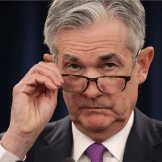
Kevin Warsh's public statements prioritizing Federal Reserve independence signal a commitment to insulating monetary policy from political pressure, suggesting the Fed may maintain a measured approach to interest rate decisions throughout 2026. This stance could stabilize rate expectations and reduce uncertainty for markets sensitive to policy shifts.
Kevin Warsh's emphasis on Federal Reserve independence carries significant implications for monetary policy trajectory and market stability in 2026. By publicly reinforcing the principle that the Fed should operate free from political influence, Warsh signals a commitment to institutional integrity at a time when central bank autonomy faces increasing scrutiny. This matters because political pressure on the Fed typically correlates with market volatility and unpredictable policy pivots that unsettle both traditional and cryptocurrency markets.
Historically, Fed independence has been tested during inflationary cycles and election years when administrations seek favorable rate environments. Warsh's positioning suggests institutional pushback against such pressures, which follows a pattern of Fed officials reasserting autonomy after periods of political tension. This reflects broader concerns about central bank credibility and the importance of maintaining confidence in monetary decision-making frameworks.
For cryptocurrency and broader financial markets, a Fed committed to independence typically supports more predictable rate scenarios. Clearer policy expectations reduce the tail-risk premiums that drive volatile asset price swings. Bitcoin and other risk assets benefit when uncertainty about Fed actions decreases, as traders can price in stable discount rates rather than hedging against surprise policy reversals. The stabilizing rhetoric also eases pressure on emerging market currencies and provides breathing room for non-dollar economies.
Looking ahead, market participants should monitor whether Warsh's independence messaging translates into actual policy consistency or represents rhetorical positioning. The 2026 rate path will depend on inflation data and labor market conditions, but Warsh's emphasis suggests the Fed will prioritize evidence-based decisions over political accommodation. This framework favors longer-term planning for investors while reducing near-term policy shock risks.
- →Warsh's Fed independence stance suggests measured, politically-insulated rate policy for 2026
- →Emphasis on institutional autonomy reduces market uncertainty around unexpected policy reversals
- →Cryptocurrency markets benefit from clearer rate expectations and lower policy shock risk
- →The positioning reflects broader institutional pushback against political pressure on central banks
- →Investors should track whether rhetoric translates into consistent evidence-based policymaking