22,940 AI articles curated from 50+ sources with AI-powered sentiment analysis, importance scoring, and key takeaways.
AIBullishOpenAI News · Feb 277/107
🧠OpenAI has released a research preview of GPT-4.5, their largest and most advanced chat model to date. The new model represents improvements in both pre-training and post-training processes, marking another step forward in AI language model development.
AIBullishOpenAI News · Feb 257/106
🧠Estonia has partnered with OpenAI to provide nationwide access to ChatGPT Edu for students and teachers in secondary schools. This represents a significant government-level adoption of AI technology in education, potentially setting a precedent for other nations.
AIBullishNVIDIA AI Blog · Feb 197/102
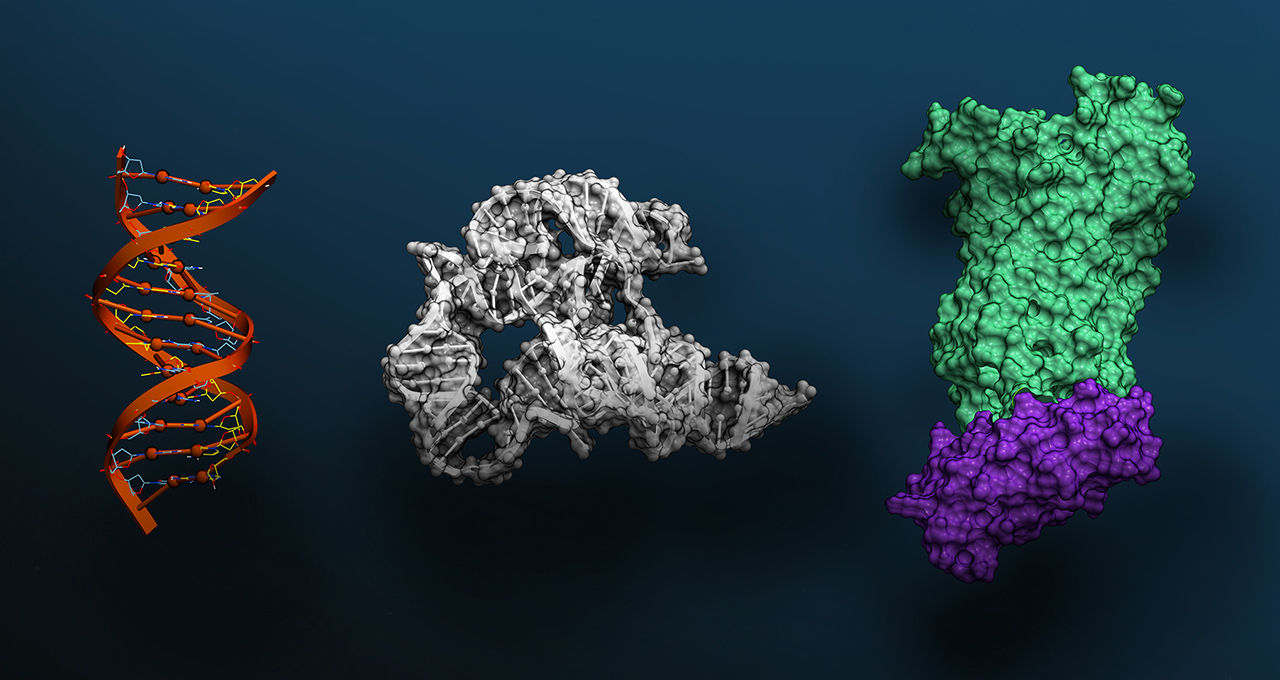
🧠NVIDIA has made Evo 2, the largest publicly available AI foundation model for genomic data, accessible through its BioNeMo platform. The model was developed in collaboration with Arc Institute and can understand genetic code across all domains of life, built on NVIDIA's DGX Cloud platform.
AIBullishGoogle DeepMind Blog · Feb 57/105
🧠Google has announced that Gemini 2.0 is now publicly available to all users. The release includes updates to Gemini 2.0 Flash and introduces two new variants: Gemini 2.0 Flash-Lite and Gemini 2.0 Pro Experimental.
AINeutralGoogle DeepMind Blog · Feb 47/106
🧠The article announces an updated Frontier Safety Framework (FSF) that establishes stronger security protocols for the development path toward Artificial General Intelligence (AGI). This represents a significant step in AI safety governance as the industry moves closer to more advanced AI systems.
AIBullishOpenAI News · Feb 47/108
🧠OpenAI is partnering with the California State University (CSU) system to deploy ChatGPT to 500,000 students and faculty, marking the largest educational AI deployment to date. This initiative aims to advance AI education and help build an AI-ready workforce in the United States.
AIBullishOpenAI News · Jan 307/107
🧠OpenAI is partnering with U.S. National Laboratories to deploy its latest reasoning AI models for scientific research and breakthroughs. This collaboration aims to strengthen America's artificial intelligence leadership by leveraging the nation's premier research institutions.
AINeutralWall Street Journal – Tech · Jan 277/103
🧠Chinese AI company DeepSeek claims to have developed high-performing AI models using cost-effective training methods without relying on the most advanced semiconductor chips. This development could potentially challenge the narrative that cutting-edge AI requires the most expensive hardware.
AINeutralWall Street Journal – Tech · Jan 277/102
🧠Silicon Valley professionals are praising DeepSeek, a Chinese AI model, calling it 'amazing and impressive' despite being developed using less-advanced semiconductor chips. This recognition highlights China's ability to create competitive AI technology even under chip restrictions.
AIBullishWall Street Journal – Tech · Jan 277/103
🧠LinkedIn co-founder Reid Hoffman has raised $24.6 million to launch Manas AI, a startup focused on AI-driven cancer research. The venture partners with Siddhartha Mukherjee, renowned oncologist and author of 'The Emperor of All Maladies,' combining Hoffman's tech expertise with medical authority.
AIBullishWall Street Journal – Tech · Jan 247/102
🧠Meta plans to spend $60-65 billion on AI infrastructure and data centers, representing a massive increase in artificial intelligence investments. This announcement reflects the broader trend of major tech companies significantly ramping up their AI spending and infrastructure development.
AIBullishNVIDIA AI Blog · Jan 247/104
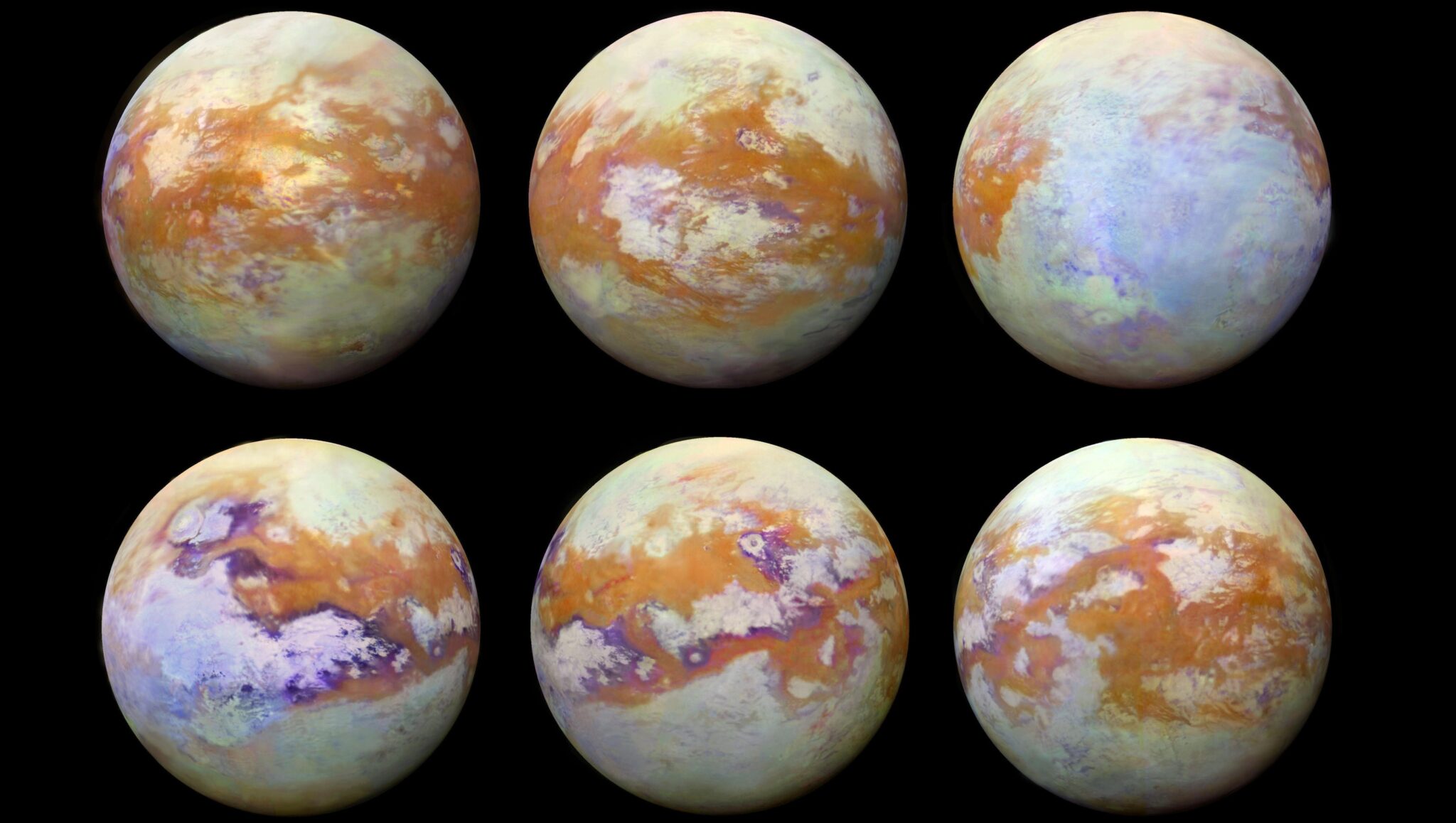
🧠NVIDIA GPUs enabled AI systems to process years of Cassini spacecraft data about Titan's methane clouds in just seconds, representing a major breakthrough in space exploration technology. This advancement demonstrates how AI and high-performance computing can dramatically accelerate scientific discovery and analysis of alien worlds.
AIBullishOpenAI News · Jan 237/105
🧠A new AI agent called Operator has been launched as a research preview, capable of autonomously using web browsers to perform tasks for users. The service is currently available exclusively to Pro users in the United States.
AIBullishWall Street Journal – Tech · Jan 237/102
🧠SK Hynix, a major supplier to Nvidia, reported record quarterly and annual profits for 2024, driven by strong demand for memory chips used in AI applications. The South Korean company's earnings exceeded expectations in Q4 2024, reflecting the continued AI boom's impact on semiconductor supply chains.
$MKR
AIBullishWall Street Journal – Tech · Jan 227/103
🧠OpenAI, Oracle, and SoftBank announced major AI infrastructure investment plans worth up to $500 billion in the United States during a White House unveiling. This represents one of the largest private sector commitments to AI development and infrastructure in U.S. history.
AIBullishOpenAI News · Jan 217/105
🧠OpenAI and strategic partners announce shared vision for AGI infrastructure development through the Stargate project. The initiative seeks partnerships across the data center infrastructure landscape including power, land, construction, and equipment providers.
AIBullishHugging Face Blog · Jan 157/106
🧠Sentence Transformers has introduced a new training method that accelerates static embedding model training by 400x compared to traditional approaches. This breakthrough in AI model training efficiency could significantly reduce computational costs and development time for embedding-based applications.
AINeutralHugging Face Blog · Jan 137/106
🧠The article title suggests a discussion about the arrival and current state of AI agents, likely exploring their implications and next steps for implementation or adoption. Without the article body content, the focus appears to be on the present reality of AI agents and future considerations.
AINeutralOpenAI News · Dec 277/106
🧠OpenAI announces plans to evolve its organizational structure to better advance its mission. The company proposes strengthening its non-profit arm through support from its for-profit operations' success.
AIBullishOpenAI News · Dec 207/107
🧠OpenAI introduces deliberative alignment, a new safety strategy for their o1 models that directly teaches AI systems safety specifications and how to reason through them. This approach aims to make language models safer by incorporating reasoning capabilities into the alignment process.
AIBullishOpenAI News · Dec 177/108
🧠OpenAI has announced o1, a new AI model alongside several developer-focused updates including improvements to their Realtime API and new fine-tuning capabilities. The release represents OpenAI's continued expansion of their AI development platform and tools for developers.
AIBullishGoogle DeepMind Blog · Dec 117/104
🧠Google has announced Gemini 2.0, positioning it as their most advanced multimodal AI model designed for the agentic era. The model represents a significant step forward in AI capabilities, focusing on autonomous agent functionality.
AIBullishOpenAI News · Dec 97/104
🧠OpenAI has officially launched Sora, its video generation AI model, at sora.com. The platform allows users to create videos up to 1080p resolution and 20 seconds long in multiple aspect ratios, with capabilities to generate new content from text or remix existing assets.
AIBullishOpenAI News · Dec 97/103
🧠OpenAI has released Sora, a video generation model that creates new videos from text, image, and video inputs. The model builds on learnings from DALL-E and GPT models, positioning itself as a tool for enhanced storytelling and creative expression.
AIBullishGoogle DeepMind Blog · Dec 47/107
🧠Google DeepMind has developed GenCast, a new AI model that predicts weather patterns and extreme weather risks with state-of-the-art accuracy up to 15 days in advance. The model represents a significant advancement in weather forecasting technology, delivering faster and more accurate predictions than existing systems.