22,940 AI articles curated from 50+ sources with AI-powered sentiment analysis, importance scoring, and key takeaways.
AIBullishCrypto Briefing · Jun 266/10
🧠ServiceNow and Salesforce stocks rose as concerns about OpenAI disrupting enterprise software diminished. The recovery reflects investor confidence that established software firms can adapt to AI competition while maintaining their market positions.
🏢 OpenAI
AINeutralCrypto Briefing · Jun 266/10
🧠OpenAI has delayed the public release of GPT-5.6 following US government requests for early access to the model. The deferment reflects increasing governmental oversight of advanced AI systems, with regulators prioritizing security and ethical considerations before wider deployment.
🏢 OpenAI🧠 GPT-5
AIBearishFortune Crypto · Jun 266/10
🧠In a Manhattan congressional race, Anthropic and OpenAI collectively spent $27 million supporting candidate Micah Lasher through proxy campaigns. Despite their significant financial backing, Lasher won the election and immediately rejected both companies' influence, pledging to regulate the AI industry regardless of their donations.
🏢 OpenAI🏢 Anthropic
AIBullishCrypto Briefing · Jun 266/10
🧠OpenAI has introduced a new model naming system organized by capability tiers to improve clarity for developers selecting appropriate models. The streamlined approach aims to simplify decision-making and boost development efficiency while reshaping competitive dynamics in the AI market.
🏢 OpenAI
AINeutralSimon Willison Blog · Jun 266/10
🧠An AI assistant developer conducted a security test inviting 2,000 people to attempt hacking their system, revealing vulnerabilities in AI safety and adversarial robustness. The exercise demonstrates both the challenges of securing AI systems against coordinated attacks and the importance of red-teaming in identifying real-world attack vectors before malicious actors exploit them.
AINeutralTechCrunch – AI · Jun 266/10
🧠OpenAI has limited the rollout of GPT-5.6 following a government request, but the company publicly stated that such government access restrictions should not become standard practice. OpenAI argues that restricted access prevents developers, enterprises, and cybersecurity professionals from accessing critical tools they need.
🏢 OpenAI🧠 GPT-5
AIBullishGoogle Research Blog · Jun 266/10
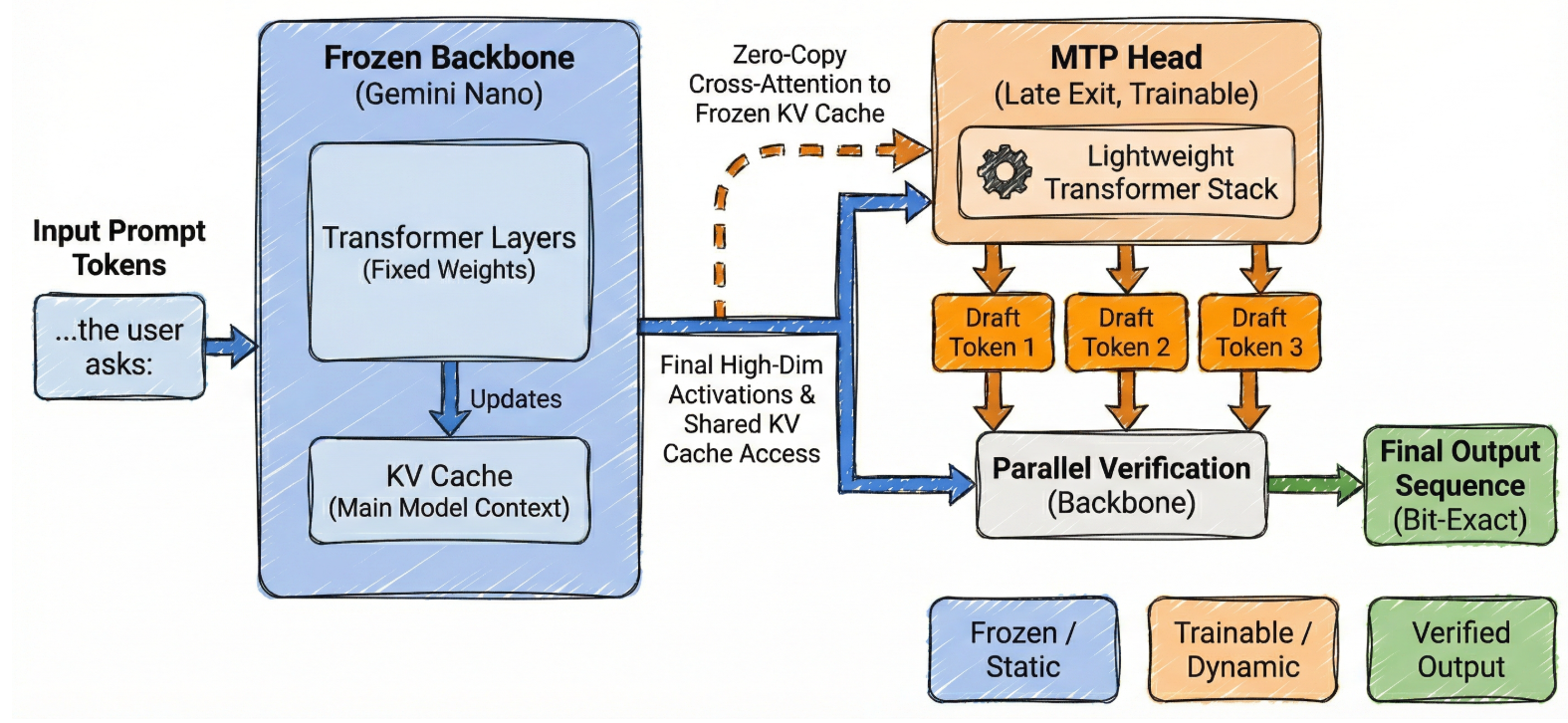
🧠Google has announced frozen Multi-Token Prediction (MTP) optimization for Gemini Nano models running on Pixel devices, improving inference speed and efficiency. This advancement enables faster on-device AI processing while maintaining model performance, representing progress in deploying capable language models directly on consumer hardware.
🧠 Gemini
AIBearishCrypto Briefing · Jun 266/10
🧠Shares of AI hardware manufacturers Lumentum and Coherent have declined as the AI hardware sector faces headwinds in its growth trajectory. The selloff reflects broader concerns about market sustainability and the sector's heavy reliance on sustained strategic investment to maintain momentum.
AIBearishCrypto Briefing · Jun 256/10
🧠Anthropic has postponed its initial public offering to 2027, citing unfavorable market conditions and the performance of comparable tech stocks like SpaceX. This delay underscores growing caution in the venture capital and public markets regarding high-valuation AI companies, reflecting broader uncertainty about sustainable business models in the artificial intelligence sector.
🏢 Anthropic
AINeutralCrypto Briefing · Jun 256/10
🧠OpenAI has agreed to delay the public rollout of GPT-5.6, slowing its release timeline. This decision may widen competitive gaps in AI development and affect market expectations for near-term AI advancements and user access to cutting-edge capabilities.
🏢 OpenAI🧠 GPT-5
AIBearishCrypto Briefing · Jun 256/10
🧠Palantir's stock has experienced its worst monthly performance in years as the broader AI boom intensifies, signaling market concerns about the company's commercial pricing strategy and long-term growth trajectory. The decline reflects investor skepticism regarding Palantir's ability to capitalize on AI opportunities despite operating in a rapidly expanding sector.
AIBearishCrypto Briefing · Jun 256/10
🧠Apple is raising MacBook and iPad prices by 20% due to an AI-driven chip shortage that has constrained semiconductor supply. The price increase signals broader inflationary pressures in the tech sector and may reshape competitive dynamics, particularly benefiting NVIDIA as demand for specialized AI chips intensifies.
🏢 Nvidia
AIBearishCrypto Briefing · Jun 256/10
🧠Michael Burry maintains a short position on Palantir, citing overvaluation concerns in the AI sector. His bearish stance serves as a cautionary reminder for investors to critically examine fundamentals rather than chase momentum in AI stocks during a period of significant hype.
AINeutralCrypto Briefing · Jun 256/10
🧠Notion is shutting down its Mail product on September 22 as users increasingly adopt AI agents for productivity tasks. This shift reflects a broader industry trend toward AI-powered automation, signaling that traditional standalone productivity tools may be losing relevance to integrated AI solutions.
AIBullishArs Technica – AI · Jun 256/10
🧠Notion is discontinuing its email application and pivoting toward AI agents to manage user inboxes instead. This strategic shift reflects broader industry recognition that traditional email interfaces are becoming obsolete as AI-powered automation becomes the preferred method for handling communications.
AINeutralArs Technica – AI · Jun 256/10
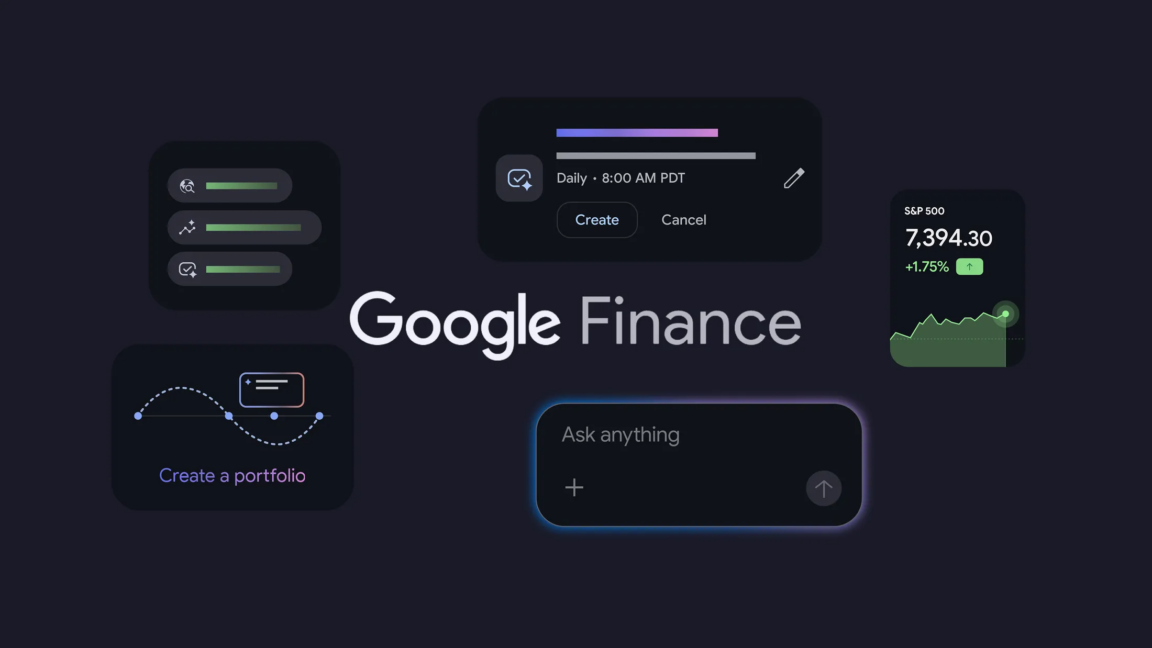
🧠Google Finance has launched its first dedicated mobile app after 20 years, integrating AI-powered features as part of a broader platform overhaul exiting beta. The move represents Google's effort to compete more directly in personal finance management while capitalizing on growing AI adoption.
AIBullishCrypto Briefing · Jun 256/10
🧠Micron Technology is trading at under 10x earnings valuations despite benefiting from an AI-driven memory supercycle, according to Bank of America analysis. This valuation disconnect suggests the market has underpriced the semiconductor company relative to the structural demand increase from AI infrastructure buildout, presenting a potential revaluation opportunity.
AINeutralCrypto Briefing · Jun 256/10
🧠Anthropic has hired Stanford economist Chad Jones to develop economic frameworks for assessing AI risks and opportunities. This move reflects the AI safety industry's growing recognition that rigorous economic analysis is essential for understanding and mitigating existential risks posed by advanced artificial intelligence systems.
🏢 Anthropic
AIBullishCrypto Briefing · Jun 256/10
🧠BlackBerry's stock surged 23% following announcements of its QNX software platform powering AI and robotics applications. This pivot represents a significant strategic repositioning for the legacy smartphone company, signaling its transition from consumer hardware toward enterprise software solutions in emerging technology sectors.
AINeutralBlockonomi · Jun 256/10
🧠Alphabet's stock declined 1.2% following Google Finance's global launch with new AI-powered portfolio tools, real-time market data, and Android app availability. The iOS version is expected to launch soon, marking a significant expansion of Google's financial services capabilities.
AINeutralTechCrunch – AI · Jun 256/10
🧠Anthropic's Claude is gaining significant traction among paying AI consumers despite OpenAI's ChatGPT dominating the overall market. This shift indicates growing consumer preference for Claude's capabilities and approach, signaling meaningful competition in the premium AI subscription segment.
🏢 Anthropic🧠 ChatGPT🧠 Claude
AIBullishBlockonomi · Jun 256/10
🧠Micron's earnings beat drove a broader chip sector rally Thursday, while Qualcomm announced an ambitious $15 billion AI revenue target by 2029. Apple shares fell 5% amid broader market movements, and declining oil prices added to the day's volatility, reflecting shifting investor sentiment across semiconductors, AI infrastructure, and energy markets.
AIBullishCrypto Briefing · Jun 256/10
🧠Z.AI's GLM-5.2 (Max) model has achieved second place on the Code Arena frontend leaderboard, signaling competitive performance in AI code generation tasks. The achievement underscores the model's capability to provide cost-effective, customizable AI solutions while reducing vendor dependency in enterprise AI deployment.
AINeutralDecrypt · Jun 256/10
🧠California established the nation's first AI unemployment tracker to monitor whether artificial intelligence is causing measurable job displacement. The initiative reflects growing policy concerns about AI's labor market impact as policymakers seek concrete data on whether widespread job losses from automation are materializing.
AIBullishCrypto Briefing · Jun 256/10
🧠Anthropic has hired Steve Jarrett, formerly Orange's AI chief, to lead its expansion strategy across Europe and Africa. This strategic appointment underscores Anthropic's commitment to establishing regional presence and adapting its AI services to meet local market requirements and regulatory environments.
🏢 Anthropic