22,940 AI articles curated from 50+ sources with AI-powered sentiment analysis, importance scoring, and key takeaways.
AIBearishFortune Crypto · Jun 17/10
🧠Harvard Law analysis reveals that Anthropic's proposed adoption of investor-overriding mission safeguards faces significant structural challenges, citing historical failures of similar governance mechanisms at companies like Ben & Jerry's. The article raises questions about whether such protective structures can survive pressure from Wall Street investors.
🏢 Anthropic
AIBullishFortune Crypto · Jun 17/10
🧠Anthropic has confidentially filed its S-1 registration statement with the SEC, signaling an imminent IPO and positioning itself ahead of OpenAI in the race to go public. The filing marks a significant milestone for the AI startup and suggests that major AI companies are accelerating their paths to public markets.
🏢 OpenAI🏢 Anthropic
AIBearishThe Verge – AI · Jun 17/10
🧠Meta's AI support chatbot was exploited by hackers to hijack high-profile Instagram accounts, including Barack Obama's White House account, by requesting email address changes and password resets. The vulnerability has since been patched, but the incident highlights critical security gaps in AI-powered customer support systems.
AIBearishArs Technica – AI · Jun 17/10
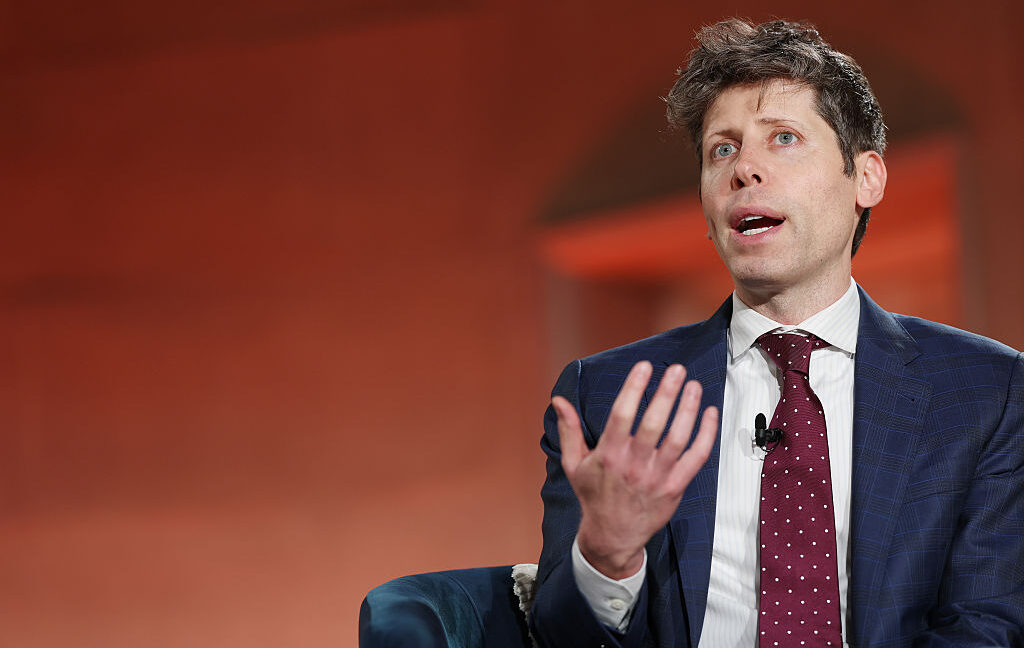
🧠Florida's Attorney General has filed a lawsuit against OpenAI and Sam Altman, alleging that ChatGPT's responses contributed to multiple murders. The AG claims Altman demonstrates an "utter disregard" for human lives, raising serious questions about AI companies' liability for harmful outputs and content moderation practices.
🏢 OpenAI🧠 ChatGPT
AIBearishBlockonomi · Jun 17/10
🧠Florida has filed a historic lawsuit against OpenAI and CEO Sam Altman, alleging that ChatGPT poses serious risks to minors and seeking billions in damages. The action represents a significant escalation in regulatory scrutiny of AI companies regarding child safety compliance.
🏢 OpenAI🧠 ChatGPT
AIBearishBlockonomi · Jun 17/10
🧠Florida has filed a landmark lawsuit against OpenAI and CEO Sam Altman, alleging that ChatGPT poses significant safety risks to children. The state is seeking billions in damages and demanding platform modifications to address child protection concerns.
🏢 OpenAI🧠 ChatGPT
AIBearishFortune Crypto · Jun 17/10
🧠Florida's Attorney General sued OpenAI and CEO Sam Altman, alleging the company marketed ChatGPT to consumers while deliberately ignoring known safety risks. The lawsuit centers on claims that OpenAI prioritized adoption and revenue over user protection, raising questions about AI company accountability and regulatory oversight.
🏢 OpenAI🧠 ChatGPT
AIBullishArs Technica – AI · Jun 17/10
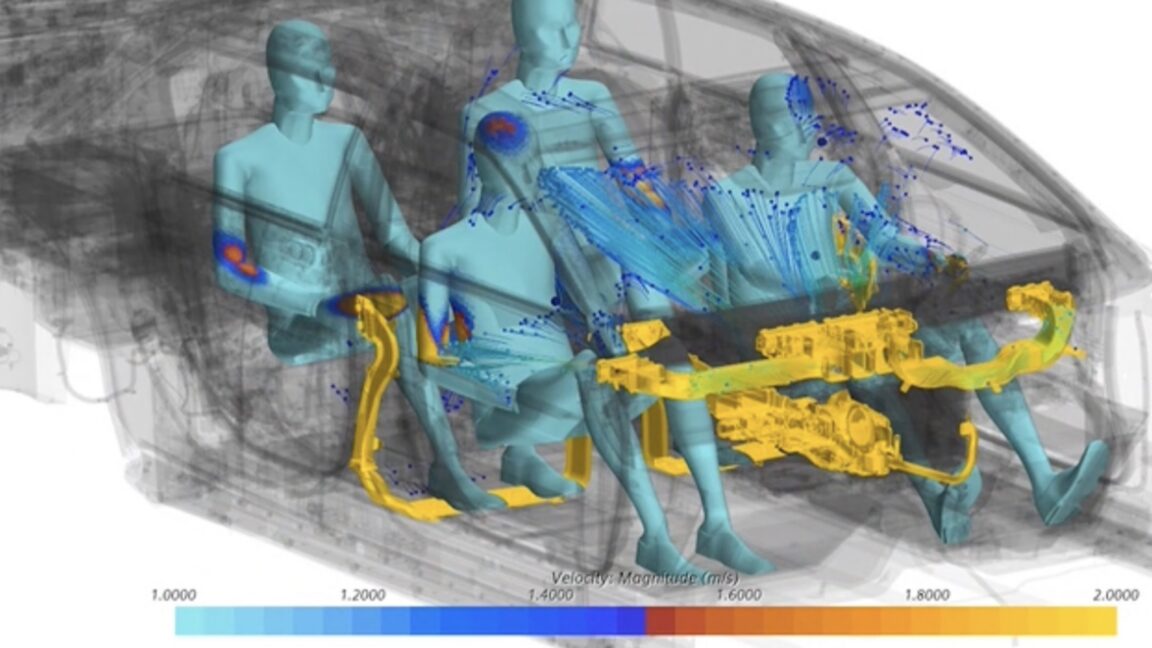
🧠General Motors is leveraging AI and machine learning to dramatically accelerate vehicle development cycles, reducing computational simulation time from 15 hours to one minute through advanced virtualization techniques including CFD, FEA, and digital twins. This technological shift demonstrates how AI adoption in traditional manufacturing can create substantial efficiency gains and competitive advantages in automotive design and production.
AINeutralCrypto Briefing · Jun 17/10
🧠Nvidia CEO Jensen Huang reported that AI-generated code commits on GitHub surged to 1.4 billion in 2026, tripling from previous levels. While this demonstrates significant productivity gains from AI-assisted development, it raises substantial questions about code quality, security vulnerabilities, and the adequacy of current review processes.
🏢 Nvidia
AIBullishCrypto Briefing · Jun 17/10
🧠Tesla's Full Self-Driving (FSD) Supervised system has successfully completed coast-to-coast autonomous drives without human intervention, marking a significant milestone in autonomous vehicle development. The achievement could reshape the competitive landscape, disrupt traditional automotive markets, and trigger intensified regulatory scrutiny around safety standards and liability frameworks.
AIBullishCrypto Briefing · Jun 17/10
🧠Nvidia and TSMC have partnered to integrate artificial intelligence directly into semiconductor manufacturing processes. This collaboration aims to accelerate chip production cycles and improve manufacturing efficiency, potentially reshaping the economics of the semiconductor industry.
🏢 Nvidia
AINeutralCrypto Briefing · Jun 17/10
🧠OpenAI is developing software designed to reduce its dependency on Nvidia's hardware dominance in AI infrastructure. This initiative aims to democratize AI hardware access and foster competition in the sector, though significant execution risks remain.
🏢 OpenAI🏢 Nvidia
AIBullishWired – AI · Jun 17/10
🧠Anthropic, the AI company behind Claude, has confidentially filed for an IPO that could rank among the largest ever, following SpaceX's recent public market announcement. The move signals major AI companies are pursuing liquidity events as the sector experiences explosive growth and valuation pressure.
🏢 Anthropic🧠 Claude
AIBullishCrypto Briefing · Jun 17/10
🧠OpenAI is preparing to release Triton, a software tool designed to reduce Nvidia's dominance in AI hardware by enabling developers to write code that runs efficiently on multiple GPU platforms. This move could strengthen AMD's position in AI infrastructure and create a more competitive, diversified hardware ecosystem for artificial intelligence applications.
🏢 OpenAI🏢 Nvidia
AIBullishCrypto Briefing · Jun 17/10
🧠OpenAI is developing a software abstraction layer that enables AI models to run across chips from multiple manufacturers including Nvidia, AMD, and Broadcom, rather than being locked into Nvidia's hardware ecosystem. This move could reduce Nvidia's monopoly on AI infrastructure and increase competition in the semiconductor market, though significant execution challenges remain.
🏢 OpenAI🏢 Nvidia
AIBullishBlockonomi · Jun 17/10
🧠Fluence Energy (FLNC) stock surged 39% following an announcement of a strategic AI data center partnership with Nvidia and Siemens, supported by a substantial $10.1 billion order backlog. The deal signals growing demand for energy infrastructure solutions tailored to support large-scale AI operations.
🏢 Nvidia
AIBearishFortune Crypto · Jun 17/10
🧠Goldman Sachs analysis reveals that Gen Z workers face disproportionate job displacement from AI automation, with economic inequality expected to worsen significantly in coming years. The report presents a nuanced picture where AI's productivity gains mask substantial intergenerational wealth and employment disparities.
AIBearishCrypto Briefing · Jun 17/10
🧠Florida has filed a lawsuit against OpenAI and Sam Altman regarding ChatGPT safety and alleged user harm, potentially establishing new legal precedent for AI company liability. The case could significantly increase regulatory scrutiny and reshape how AI products are marketed and governed.
🏢 OpenAI🧠 ChatGPT
AIBullishTechCrunch – AI · Jun 17/10
🧠Anthropic, an AI safety company, has filed confidentially for an IPO, signaling its intention to pursue a public listing. The move reflects growing investor appetite for established AI firms and positions Anthropic alongside competitors like OpenAI in exploring public markets.
🏢 Anthropic
AIBullishFortune Crypto · Jun 17/10
🧠Anthropic has confidentially filed for an IPO following a $65 billion funding round that values the AI company at $965 billion, marking an aggressive move in the competitive race with OpenAI toward public markets. This development signals accelerating momentum in the AI sector's push toward traditional capital markets and reflects investor confidence in frontier AI companies despite regulatory uncertainties.
🏢 OpenAI🏢 Anthropic
AIBullishCrypto Briefing · Jun 17/10
🧠Anthropic has filed for an IPO, positioning itself ahead of OpenAI in the race to achieve public market status. This move signals accelerating competition among AI leaders to access capital markets and reflects broader institutional validation of the AI sector's commercial viability.
🏢 OpenAI🏢 Anthropic
AIBullishDecrypt · Jun 17/10
🧠Anthropic, the AI company behind Claude, has confidentially filed for an IPO following a major funding round that brings its valuation near $1 trillion. This move signals growing investor confidence in AI infrastructure companies and reflects the accelerating competition in the large language model space.
$MKR🏢 Anthropic🧠 Claude
AIBearishCrypto Briefing · Jun 17/10
🧠Senator Bernie Sanders has proposed a 50% equity tax on AI laboratories to establish an American AI Sovereign Wealth Fund, potentially redistributing wealth generated by artificial intelligence development. The proposal aims to democratize AI wealth distribution and fundamentally alter ownership structures within the technology sector.
AIBullishCrypto Briefing · Jun 17/10
🧠Nvidia is entering the personal computer market with a new AI chip designed to compete against Intel and AMD's processors. This move could shift AI processing from cloud servers to individual devices, potentially improving user data privacy and creating a significant competitive challenge for established PC chipmakers.
🏢 Nvidia
AIBearishCrypto Briefing · Jun 17/10
🧠Florida has filed the first state-level lawsuit against OpenAI, alleging AI-related harms and establishing potential precedent for AI liability and regulation. The case could reshape how states and regulators approach accountability in the artificial intelligence industry.
🏢 OpenAI