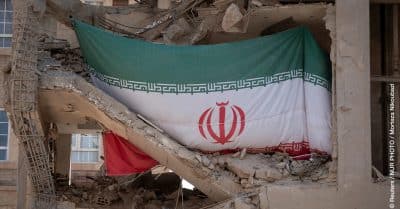
GeneralBearishcrypto.news · Apr 7🔥 8/10
Crypto Signal News
Markets, DeFi, chain. 22,308 articles with AI-powered sentiment analysis and key takeaways.
22308 articles
GeneralBullishcrypto.news · Apr 7🔥 8/10
GeneralBearishcrypto.news · Apr 7🔥 8/10
CryptoBearishcrypto.news · Apr 7🔥 8/10
GeneralBullishBlockonomi · Apr 7🔥 8/10
GeneralBearishFortune Crypto · Apr 7🔥 8/10

CryptoBullishBitcoin Magazine · Apr 7🔥 8/10
GeneralBearishFortune Crypto · Apr 7🔥 8/10

CryptoBullishBlockonomi · Apr 7🔥 8/10
CryptoBearishBlockonomi · Apr 7🔥 8/10
CryptoBearishCoinDesk · Apr 7🔥 8/10
⛓️
Bitcoin, ether, solana hold steady as Trump sets Tuesday night deadline for Iran deal
Trump has set a Tuesday night midnight deadline for an Iran deal, threatening to destroy Iranian infrastructure if no agreement is reached. Oil prices surged above $112 while crypto markets retreated from Monday's ceasefire rally gains.

$BTC$ETH
CryptoBullishCrypto Briefing · Apr 77/10
⛓️
Bitcoin spot ETFs attract nearly $500M as BlackRock leads institutional interest
Bitcoin spot ETFs attracted nearly $500 million in institutional inflows, with BlackRock leading the charge. This surge reflects growing institutional confidence in Bitcoin as a macro hedge amid ongoing geopolitical uncertainties.
$BTC
CryptoBullishCrypto Briefing · Apr 77/10
⛓️
Bitcoin spot ETFs see $500M inflows as optimism grows for $100K target by June 30
Bitcoin spot ETFs attracted $500 million in inflows amid growing institutional optimism for Bitcoin reaching $100,000 by June 30. Despite current trading inactivity and geopolitical tensions, institutional confidence is driving positive market dynamics.

$BTC
GeneralBearishCrypto Briefing · Apr 7🔥 8/10
📰
US special ops rescue F-15E officer in Iran, confirming ground operations
US special operations forces conducted a ground rescue mission in Iran to extract an F-15E officer, marking confirmed American military operations on Iranian soil. This development could significantly escalate geopolitical tensions and impact global military and diplomatic strategies.
GeneralBearishCrypto Briefing · Apr 6🔥 8/10
📰
Steve Keen: Geopolitical tensions could trigger global famine, Trump’s foreign policy resembles a pump and dump scheme, and the overlooked role of money in economics | The Diary of a CEO
Economist Steve Keen warns that geopolitical tensions, particularly Iran's control over the Strait of Hormuz, pose significant threats to global economic stability and could potentially trigger widespread famine. He also critiques Trump's foreign policy approach, comparing it to a pump and dump scheme.

GeneralBearishCrypto Briefing · Apr 6🔥 8/10
📰
Iran’s Ghalibaf advisor warns Trump of escalation unless he surrenders in 20 hours
An advisor to Iran's Ghalibaf has issued an ultimatum to Trump, demanding surrender within 20 hours or face escalation. The geopolitical tension is creating market volatility and threatens to undermine diplomatic efforts between the US and Iran.
CryptoBullishcrypto.news · Apr 67/10
⛓️
Crypto Market Update: Schwab Bitcoin Ethereum Trading Is Coming for 38.9 Million Clients — Here Is What It Means
Charles Schwab will launch Schwab Crypto in Q2 2026, offering Bitcoin and Ethereum spot trading to its 38.9 million active brokerage clients for the first time. This represents a major expansion of crypto access through traditional financial institutions.
$BTC$ETH
GeneralBearishCrypto Briefing · Apr 6🔥 8/10
📰
Iran’s Khorramshahr port attacked as US-Iran ceasefire odds drop to 1.1%
Iran's Khorramshahr port was attacked, significantly escalating regional tensions and reducing the probability of a US-Iran ceasefire to just 1.1%. The attack undermines ongoing diplomatic efforts and increases skepticism about near-term conflict resolution.

GeneralBearishFortune Crypto · Apr 6🔥 8/10
📰
Trump threatens to ‘take out’ all of Iran in one night. From blackout bombs to ‘discombobulators,’ here’s what that could actually mean
Trump has threatened to 'take out' Iran in one night, with the U.S. having various military options including advanced weapons systems like blackout bombs and electronic warfare tools. These capabilities range from targeted strikes to infrastructure disruption without completely destroying the country.

CryptoBullishCoinDesk · Apr 67/10
⛓️
Bitcoin climbs above $70,000 as more contrarian bottoming signs emerge
Bitcoin has surged above $70,000 amid emerging contrarian signals that suggest a potential market bottom. The indicators include sales by prominent Bitcoin holders and executive departures from crypto companies, which historically can signal capitulation and potential recovery for the cryptocurrency sector.

$BTC
GeneralBearishBlockonomi · Apr 6🔥 8/10
📰
Goldman Sachs Alerts: Critical Oil Supply Crisis Looms as Hormuz Strait Remains Blocked
Goldman Sachs warns of a critical oil supply crisis as the Strait of Hormuz closure has cut Asian oil imports by 9 million barrels per day, causing diesel prices to surge 150%. The blockade of this crucial shipping route is creating real oil shortages with significant global energy market implications.
GeneralBearishBlockonomi · Apr 6🔥 8/10
📰
Brent Crude Surges Past $110 Mark as Trump Issues Iran Ultimatum with Tuesday Cutoff
Brent crude oil prices surged past $110 on Monday following Trump's ultimatum to Iran with a Tuesday deadline to reopen the Strait of Hormuz. The geopolitical tension occurs amid ongoing ceasefire negotiations in the region.
CryptoBullishBlockonomi · Apr 6🔥 8/10
⛓️
Trump’s Iran Ultimatum Sparks Crypto Rally While Stock Futures Tumble
Bitcoin surged to $69,500 and crypto markets gained $70 billion following Trump's ultimatum to Iran, while traditional markets declined with stock futures falling nearly 1% and oil prices jumping above $115. The geopolitical tension created a flight-to-crypto effect as investors sought alternative assets amid market uncertainty.
$BTC
GeneralBearishcrypto.news · Apr 6🔥 8/10
📰
Trump targets Iranian power plants over Hormuz blockade, invasion odds surge on Polymarket
President Trump has threatened to target Iranian power plants and infrastructure if Tehran doesn't comply by April 7, following last week's attack on Iran's Ghadir Bridge. The escalating tensions have led to increased speculation on Polymarket regarding potential invasion scenarios.

GeneralBearishCrypto Briefing · Apr 6🔥 8/10
📰
Tehran explosion and missile strike in Haifa raise odds of Iranian regime fall to 14%
Recent explosions in Tehran and missile strikes in Haifa have increased market speculation about Iranian regime stability, with betting odds on regime collapse rising to 14%. The geopolitical tensions are creating heightened uncertainty in financial markets.