Markets, DeFi, chain. 22,342 articles with AI-powered sentiment analysis and key takeaways.
CryptoBullishNewsBTC · May 107/10
⛓️Bitcoin's open interest has surged to levels exceeding 2025 all-time highs, driven by increased derivatives trading and leverage despite negative funding rates. While the surge reflects growing trader participation and bullish sentiment, it introduces market fragility through leveraged positions that could amplify volatility if liquidations cascade.
$BTC
GeneralNeutralCrypto Briefing · May 107/10
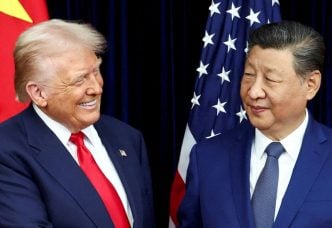
📰Investors are closely monitoring upcoming Trump-Xi talks for signals of easing US-China tensions, as the outcome could materially impact global markets, supply chains, and geopolitical stability. The diplomatic engagement represents a critical juncture for risk asset valuations and international trade dynamics.
DeFiBearishCrypto Briefing · May 107/10
💎The U.S. Senate is considering the CLARITY Act, which would impose yield restrictions on stablecoins. Banking groups are simultaneously proposing changes to stablecoin yield mechanisms, creating potential regulatory pressure that could reshape competition between traditional financial institutions and decentralized finance protocols.
CryptoBullishBlockonomi · May 97/10
⛓️Bitcoin dominance has declined from early 2026 peaks near 60% as institutional capital begins rotating into altcoins, with on-chain volume signals and recent double-digit gains in SOL and SUI suggesting the early stages of an altseason cycle.
$BTC$SOL$SUI
CryptoBullishCrypto Briefing · May 97/10
⛓️Seven major Bitcoin mining pools have joined the Stratum V2 working group, a significant step toward adopting a new mining protocol designed to enhance decentralization and security. This development could reshape Bitcoin's mining landscape by improving miner profitability and reducing centralization risks associated with current mining pool structures.
$BTC
DeFiBullishBlockonomi · May 97/10
💎Ondo Finance operates two distinct tokenized US Treasury products—OUSG and USDY—each structured under different legal frameworks to serve different investor bases. OUSG functions as a Delaware limited partnership accessing treasuries via BlackRock's BUIDL fund and targets qualified purchasers, while USDY establishes holders as secured creditors of a special purpose vehicle and targets non-US investors under Regulation S. Both products maintain regulatory compliance through audits and FinCEN registration.
AI × CryptoBullishCrypto Briefing · May 97/10
🤖Vitalik Buterin has highlighted zero-knowledge (ZK) payments as a critical infrastructure standard for the emerging agent era, signaling blockchain's evolution toward privacy-preserving AI transactions. This development could enhance privacy in autonomous agent operations while driving broader adoption of ZK technology across industries beyond cryptocurrency.
CryptoBullishBlockonomi · May 97/10
⛓️The CLARITY Act is advancing toward a Senate Banking Committee vote with White House support for passage by July 4, while Bitcoin surpassed $80,000 and Circle stock gained 20% on regulatory optimism. Concurrently, Pepeto's anticipated listing is generating speculation about potential meme coin rallies in 2026.
$BTC
AI × CryptoBullishCrypto Briefing · May 97/10
🤖xAI has leased its Colossus 1 supercomputer to Anthropic for $5 billion annually, a major infrastructure deal that strengthens xAI's financial position ahead of its planned IPO while reshaping competitive dynamics in the AI compute market.
🏢 Anthropic🏢 xAI
CryptoBullishBitcoinist · May 97/10
⛓️Bitcoin has surged to $80,000 for the first time since January, gaining approximately 13% over the past month as market sentiment strengthens. The article examines what incoming Federal Reserve leadership under Warsh may mean for cryptocurrency investors and monetary policy direction.
$BTC
CryptoBullishCrypto Briefing · May 97/10
⛓️Anza has achieved the first successful Alpenswitch implementation on its Alpenglow cluster, resulting in a 100x improvement in Solana's finalization time. This advancement positions Solana as a competitive challenger to traditional payment systems and could reshape blockchain transaction standards across the industry.
$SOL
GeneralNeutralCrypto Briefing · May 97/10
📰Russia is negotiating a major energy deal with China to export gas and oil, leveraging its pivot away from Western markets amid international sanctions. This geopolitical shift could reshape global energy markets and potentially accelerate the dedollarization trend, with implications for commodity-linked cryptocurrencies and macro market dynamics.
CryptoBearishBitcoinist · May 97/10
⛓️Tether has frozen over $500 million in USDT across multiple wallets, with only 3.6% of blacklisted addresses in 2025 experiencing removal. The data reveals that wallet freezes are largely permanent, raising concerns about centralization risks and user asset security within the stablecoin ecosystem.
CryptoBearishThe Block · May 97/10
⛓️Bank of England Governor Andrew Bailey, who chairs the Financial Stability Board, has warned of potential regulatory conflicts with the US over stablecoin rules, cautioning that poorly-redeemable US stablecoins could flood into jurisdictions like the UK during financial crises, creating systemic risks.
GeneralBearishCrypto Briefing · May 97/10
📰Israel has constructed a secret military base in Iraq as regional tensions with Iran intensify. The revelation risks destabilizing the Middle East and reducing prospects for diplomatic resolution of the broader Israel-Iran conflict.
GeneralBearishCrypto Briefing · May 97/10
📰Iran faces escalating protests with mounting casualties as civil unrest challenges regime stability and attracts international scrutiny. The political turbulence in this strategically important region could have ripple effects on global markets, including energy prices and cryptocurrency adoption patterns in sanctions-affected economies.
AI × CryptoBullishCrypto Briefing · May 97/10
🤖Akash has announced a $175M fully diluted valuation and introduced a deflationary burn-mint equilibrium (BME) mechanism for its AKT token. This tokenomics redesign aims to align token supply dynamically with real-world AI infrastructure demand, potentially strengthening the token's value proposition and attracting institutional investors.
DeFiBullishCrypto Briefing · May 97/10
💎Aave has established partnerships with Latin American fintech companies to expand DeFi accessibility across the region, particularly targeting unbanked populations through dollar-denominated yield products. This initiative represents a strategic push to bring decentralized finance services to underserved markets while addressing currency volatility concerns.
$AAVE
GeneralBearishCrypto Briefing · May 97/10
📰Trump has taken an uncompromising stance on Iranian uranium enrichment during discussions with Israeli Prime Minister Netanyahu, signaling a hardline approach to Iran nuclear negotiations. This escalation heightens Middle East tensions and could destabilize regional geopolitics, with potential ripple effects on global markets including cryptocurrency and energy sectors.
CryptoBullishCrypto Briefing · May 97/10
⛓️Binance is hosting its first global virtual summit featuring prominent speakers including BlackRock's COO and Ripple's CEO alongside founder CZ. The event underscores accelerating institutional adoption of cryptocurrency and signals growing mainstream legitimacy for blockchain technology and digital assets.
$XRP
GeneralBearishCrypto Briefing · May 97/10
📰China's April exports surged 14.1% year-over-year, widening its trade surplus ahead of potential negotiations with the incoming Trump administration. This rebound strengthens China's negotiating position while raising questions about the sustainability of global trade dynamics and potential tariff responses.
CryptoBearishDecrypt · May 97/10
⛓️Australian police seized $4.2 million in Bitcoin from two men accused of operating a darknet marketplace and laundering drug proceeds. The case reflects intensifying law enforcement efforts to track and recover cryptocurrency assets tied to illegal activities, highlighting both the digital asset seizure capabilities of authorities and the persistent risks operators face despite perceived anonymity.
$BTC
AI × CryptoNeutralCrypto Briefing · May 97/10
🤖Cathie Wood of ARK Invest predicts that AI-driven deflation will compress inflation rates and strengthen the US dollar, potentially triggering shifts in monetary policy. This thesis suggests artificial intelligence efficiency gains could reshape traditional economic dynamics and investment allocations across asset classes.
DeFiBearishThe Block · May 97/10
💎LayerZero has publicly apologized for its inadequate response to the Kelp DAO exploit, acknowledging that its single-verifier architecture created a critical vulnerability. The disclosure also reveals a separate incident where a multisig signer misused their production hardware wallet for personal trading, raising additional governance and security concerns.
GeneralNeutralCrypto Briefing · May 97/10
📰Republican election odds have reached their highest levels this year for both the presidency and Congress, signaling potential shifts in legislative priorities that could reshape domestic and foreign policy. This political development carries implications for regulatory frameworks affecting technology, finance, and cryptocurrency sectors as different administrations typically prioritize different policy agendas.