AI × CryptoBullishCrypto Briefing · Jun 277/10
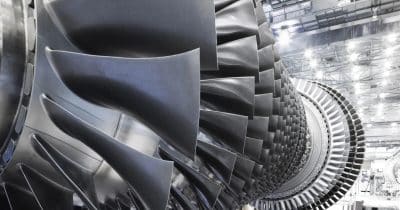
🤖GE Vernova's gas turbine business has secured orders extending through 2031 as AI data centers drive unprecedented demand for reliable power infrastructure. The surge in computational capacity required for AI applications has created a critical bottleneck in energy supply, positioning gas turbine manufacturers as essential infrastructure providers in the AI boom.
AIBullishBlockonomi · Jun 247/10
🧠FuelCell Energy announced a partnership with Fit Energy USA to supply up to 380 MW of clean power for AI data centers, driving a 16% stock price increase. This deal reflects growing demand for reliable, sustainable energy solutions to power the computationally intensive infrastructure supporting artificial intelligence applications.
AIBearishFortune Crypto · Jun 237/10
🧠AI data centers are driving unprecedented electricity demand, prompting utilities like NextEra Energy to invest billions in infrastructure expansion while targeting 10% profit margins on these buildouts. This infrastructure boom could raise electricity costs for consumers and reshape utility economics as tech companies' power needs reshape the energy sector.
AINeutralFortune Crypto · Jun 237/10
🧠Honeywell's CEO warns that global power demand will double by mid-century due to AI and hyperscale computing, positioning America to lead this energy transformation—but only if policymakers accelerate energy infrastructure decisions. The U.S. holds structural advantages in technology and resources but risks losing momentum without urgent policy action.
GeneralBearishFortune Crypto · Jun 227/10
📰France faces an unprecedented heat wave with one-third of the country under red alert and temperatures reaching 104°F, prompting authorities to consider controversial measures like restricting outdoor drinking and expanding air conditioning infrastructure in a nation where cooling systems remain uncommon.
AIBearishCrypto Briefing · Jun 107/10
🧠KKR executive Raj Agrawal warns that artificial intelligence's explosive growth trajectory could drive global power consumption far beyond current projections, potentially straining energy resources and competing with other industries for affordable electricity. This warning highlights a critical infrastructure bottleneck that could reshape both AI development strategies and energy investment priorities.
AINeutralCrypto Briefing · Jun 107/10
🧠OpenAI is negotiating to lease a 10-gigawatt AI data center in Ohio while Nvidia explores credit support options for the project. This development underscores the massive infrastructure investments required to power large language models and generative AI systems, though it raises significant financial and environmental concerns.
🏢 OpenAI🏢 Nvidia
AIBearishFortune Crypto · Jun 97/10
🧠Tesla cofounder JB Staubel warns that the U.S. power grid faces critical capacity constraints as AI infrastructure demands surge, while China accelerates its energy infrastructure development. The U.S. must significantly expand power generation, energy storage, and grid utilization to sustain AI growth and maintain technological competitiveness.
AIBearisharXiv – CS AI · Jun 97/10
🧠A comprehensive study modeling 21 AI growth scenarios across Europe reveals that artificial intelligence infrastructure could demand 73-723 TWh of additional electricity by 2050, potentially causing cumulative emissions overshoots of 67-181 MtCO2 between 2030-2050. The research highlights critical risks to EU net-zero targets in intermediate years unless energy policies adapt to accommodate hyperscale data center expansion.
AIBullishCrypto Briefing · May 287/10
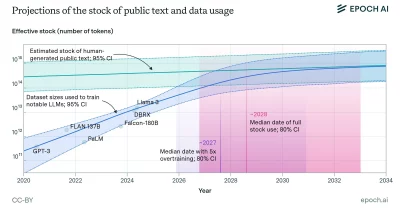
🧠Epoch AI forecasts that inference compute—the computational resources needed to run trained AI models—will surpass training compute by 2030, fundamentally shifting where resources and capital flow in AI infrastructure. This transition has major implications for data center investment, energy consumption patterns, and the competitive landscape of AI service providers.
AIBearishcrypto.news · May 77/10
🧠Microsoft is reconsidering its ambitious '100/100/0' climate commitment as AI infrastructure spending accelerates, potentially delaying or abandoning the pledge to achieve 100% renewable energy, 100% water replenishment, and zero waste by 2030. The conflict between environmental goals and massive capital investments required for AI datacenter expansion highlights a fundamental tension in the tech industry's sustainability ambitions.
AIBearisharXiv – CS AI · Apr 107/10
🧠A new study reveals that AI data centers are becoming a critical driver of electricity demand, with projected consumption doubling to 239-295 TWh by 2030. The concentrated geographic clustering of these facilities in North America, Western Europe, and Asia-Pacific creates significant grid vulnerabilities in regions like Oregon, Virginia, and Ireland, requiring urgent infrastructure planning.
AINeutralIEEE Spectrum – AI · Jan 57/106
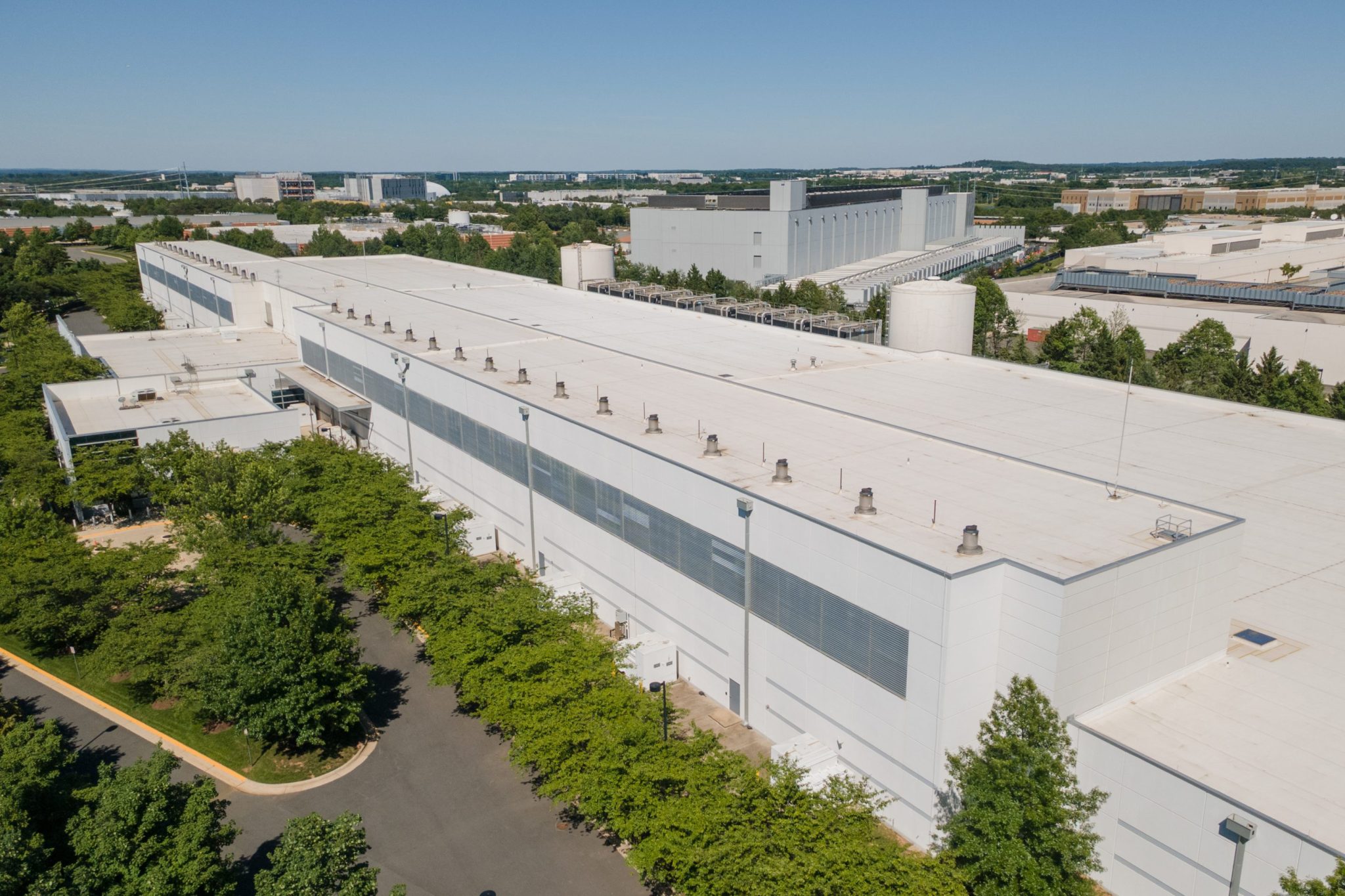
🧠More than half of all upcoming global data centers will be developed in the United States, with U.S. facilities being much larger on average than those in other countries. The rapid growth raises concerns about whether the U.S. power grid can meet the rising energy demands after two decades of flat electricity consumption.
$NEAR
GeneralBearishFortune Crypto · Jun 236/10
📰France is experiencing a severe heat wave with temperatures reaching 104°F, prompting widespread concern about inadequate air conditioning infrastructure across the country. The event is drawing comparisons to the deadly 2003 heat wave that killed approximately 15,000 people, raising questions about climate resilience and public health preparedness.
AIBullishBlockonomi · Jun 196/10
🧠GE Vernova's stock jumped 5.2% following Bernstein's initiation of coverage with an Outperform rating, driven by strong Q1 order growth of 71% year-over-year totaling $18.3 billion. The analyst firm highlighted robust demand from the artificial intelligence sector as a key catalyst for the company's expansion.
GeneralNeutralCrypto Briefing · Jun 76/10
📰Meta is constructing its largest data center in rural Richland Parish, Louisiana, promising significant economic development for the region. However, the project raises sustainability concerns regarding the area's water and energy infrastructure capacity to support long-term operations.
GeneralNeutralCrypto Briefing · Jun 66/10
📰China's crude oil imports fell to a decade low in May as domestic refiners liquidated stockpiles, potentially stabilizing global oil prices despite ongoing Middle East tensions. This demand reduction reshapes the competitive landscape for oil exporters and signals shifts in China's energy consumption patterns.