
GeneralBullishCrypto Briefing · Apr 297/10
#inflation News & Analysis
Coverage of #inflation remains heavily bearish across the indexed sources, with 68.2% of articles in the past month adopting a negative tone. Just over 314 articles have been published on the topic in the last 30 days out of 508 total in the index, indicating sustained focus on how price pressures affect crypto markets and policy responses. Sentiment has held relatively stable compared to the prior quarter, with only a marginal 2.1 percentage point shift in bullish positioning. Discussion of #inflation frequently intersects with cryptocurrency assets like Bitcoin and Ethereum, as well as broader themes including monetary policy and geopolitical developments. Crypto Briefing, Blockonomi, and Fortune Crypto have been the primary sources covering this angle. Scan the articles below for the latest reporting on how inflation dynamics are shaping the digital asset landscape.
sentiment · last 30d (314 articles)
Top sources:Crypto Briefing · 247Blockonomi · 53Fortune Crypto · 45NewsBTC · 34CoinDesk · 31
Most-discussed entities:Perplexity · 5Gemini · 2ChatGPT · 2Grok · 1Meta · 1
1627 articles
GeneralBearishCrypto Briefing · Apr 287/10

GeneralBearishCrypto Briefing · Apr 287/10

GeneralBearishCrypto Briefing · Apr 257/10

GeneralBearishCrypto Briefing · Apr 247/10
GeneralBearishCrypto Briefing · Apr 247/10

GeneralBearishCrypto Briefing · Apr 247/10

GeneralBearishCrypto Briefing · Apr 237/10

GeneralBearishCrypto Briefing · Apr 237/10
GeneralBearishCrypto Briefing · Apr 237/10

GeneralBearishCrypto Briefing · Apr 217/10
📰
Energy Secretary Wright noncommittal on gas prices, inflation concerns persist
Energy Secretary Wright's noncommittal stance on gas prices is fueling market uncertainty regarding inflation trajectories and Federal Reserve interest rate decisions. The lack of clear policy direction, combined with geopolitical tensions, is creating volatility across financial markets including cryptocurrency assets that are sensitive to macroeconomic conditions.

GeneralBearishCrypto Briefing · Apr 217/10
📰
US inflation rises in March, energy costs surge amid Iran conflict
US inflation increased in March with energy costs surging due to escalating Iran tensions, raising concerns that central banks may tighten monetary policy further. This potential policy shift could increase market volatility and negatively impact asset valuations across cryptocurrencies and traditional markets.

GeneralBearishFortune Crypto · Apr 217/10
📰
The $100 oil shock is hitting the middle class like a margin call
Oil prices approaching $100 per barrel are driving gas prices above $4 per gallon, creating significant financial pressure on middle-class families and female breadwinners with limited financial buffers. While Wall Street debates inflation implications, working families face acute affordability challenges across transportation and living costs.

GeneralBearishCrypto Briefing · Apr 21🔥 8/10
📰
Middle East war may cost France €6B, says finance minister
France's finance minister estimates the Middle East conflict could cost the nation €6 billion, raising concerns about fiscal pressures on European budgets amid broader ECB monetary policy challenges. This geopolitical spending could influence inflation dynamics and monetary policy decisions across the Eurozone.

GeneralBearishCrypto Briefing · Apr 217/10
📰
Middle East crisis poses inflation risk, complicates ECB rate cut outlook
Middle East geopolitical tensions threaten to sustain elevated inflation levels, constraining the European Central Bank's ability to implement rate cuts and complicating monetary policy decisions. The crisis creates macroeconomic headwinds that could delay economic stabilization across the eurozone.

GeneralBullishCrypto Briefing · Apr 217/10
📰
Bank of Japan holds rates steady despite inflation from Middle East conflict
The Bank of Japan maintained interest rates at current levels despite rising inflation pressures stemming from Middle East geopolitical tensions. This decision reflects the central bank's cautious approach amid conflicting economic signals, potentially constraining future monetary policy flexibility as inflationary pressures persist.

GeneralBearishCrypto Briefing · Apr 217/10
📰
Brazil faces economic strain from US-Israeli conflict with Iran amid rising energy costs
Brazil faces potential economic headwinds as geopolitical tensions between the US, Israel, and Iran threaten to elevate global energy prices. Rising energy costs could strain Brazil's domestic economy and create broader macroeconomic instability, with potential ripple effects across emerging markets and commodity-dependent sectors.

GeneralNeutralCrypto Briefing · Apr 217/10
📰
ECB’s Lagarde warns of economic impact from energy shock, hints at rate cut
ECB President Christine Lagarde has signaled a potential interest rate cut while warning of significant economic impacts from energy price shocks amid geopolitical tensions. Her comments reflect the central bank's difficult position of managing inflation concerns while supporting economic stability during a period of elevated energy costs.

GeneralNeutralCrypto Briefing · Apr 207/10
📰
ECB ready to act amid geopolitical tensions impacting energy prices: Lagarde
ECB President Christine Lagarde signaled the central bank's readiness to respond to economic challenges stemming from geopolitical tensions affecting energy markets. The statement reflects the ECB's cautious approach to balancing inflation control with broader economic stability amid external shocks.

GeneralBearishCrypto Briefing · Apr 207/10
📰
ECB’s Pereira: Economic impact of Iran war still uncertain
ECB official Pereira indicates that geopolitical uncertainty surrounding potential Iran conflict creates complications for monetary policy decisions, as elevated energy costs and inflation pressures discourage rate reductions. The central bank faces a delicate balancing act between supporting economic growth and managing price stability amid geopolitical risks.

GeneralBearishCrypto Briefing · Apr 207/10
📰
Lagarde warns fiscal support could lead to higher ECB rate hikes
ECB President Christine Lagarde warned that expansionary fiscal policies could necessitate more aggressive monetary tightening by the central bank. Her statement underscores the policy conflict between government spending and interest rate management, with implications for inflation control and economic stability across the eurozone.

GeneralBearishCrypto Briefing · Apr 207/10
📰
Strait of Hormuz traffic remains low amid naval tensions, reopening claims fail
Persistent geopolitical tensions in the Strait of Hormuz continue to suppress maritime traffic, with claims of reopening failing to materialize. This sustained disruption threatens global oil supply chains and energy prices, creating headwinds for macroeconomic stability and cryptocurrency markets sensitive to risk sentiment.

GeneralBearishCrypto Briefing · Apr 207/10
📰
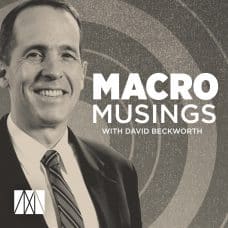
Rich Clarida: Persistent inflation exceeds 2% target, a deep recession may be needed to curb core inflation, and the US faces an unsustainable fiscal path | Macro Musings
Rich Clarida warns that persistent inflation continues to exceed the Federal Reserve's 2% target, suggesting a deep recession may be necessary to control core inflation pressures. The analysis also highlights concerns about the US fiscal trajectory becoming increasingly unsustainable, with central banks facing difficult tradeoffs between inflation control and economic stability.
GeneralBearishCrypto Briefing · Apr 207/10
📰
Inflation and strong dollar drag gold prices lower amid US-Iran tensions
Gold prices are declining due to inflation pressures and US dollar strength, despite ongoing US-Iran geopolitical tensions that typically support safe-haven assets. This shift reflects changing investor preferences toward liquidity and yield-generating assets over traditional safe-haven instruments, signaling a potential realignment in how markets perceive risk.

CryptoBullishCrypto Briefing · Apr 207/10
⛓️
Bitcoin price expectations rise amid Iran ceasefire, softer US CPI data
Bitcoin price expectations are rising as two major macroeconomic factors converge: a reported Iran ceasefire reducing geopolitical tensions and softer-than-expected US CPI data suggesting potential interest rate relief. These developments enhance Bitcoin's appeal as a hedge asset, potentially driving increased institutional and retail investment while introducing increased market volatility in the near term.

$BTC