AIBearishDecrypt – AI · Jun 107/10
🧠MIT research demonstrates that while AI assistants temporarily improve users' ability to detect misinformation, reliance on these tools may atrophy critical thinking skills, leaving people less capable of identifying falsehoods independently. This finding raises concerns about the long-term cognitive impacts of delegating information verification to AI systems.
AIBullishFortune Crypto · Jun 97/10
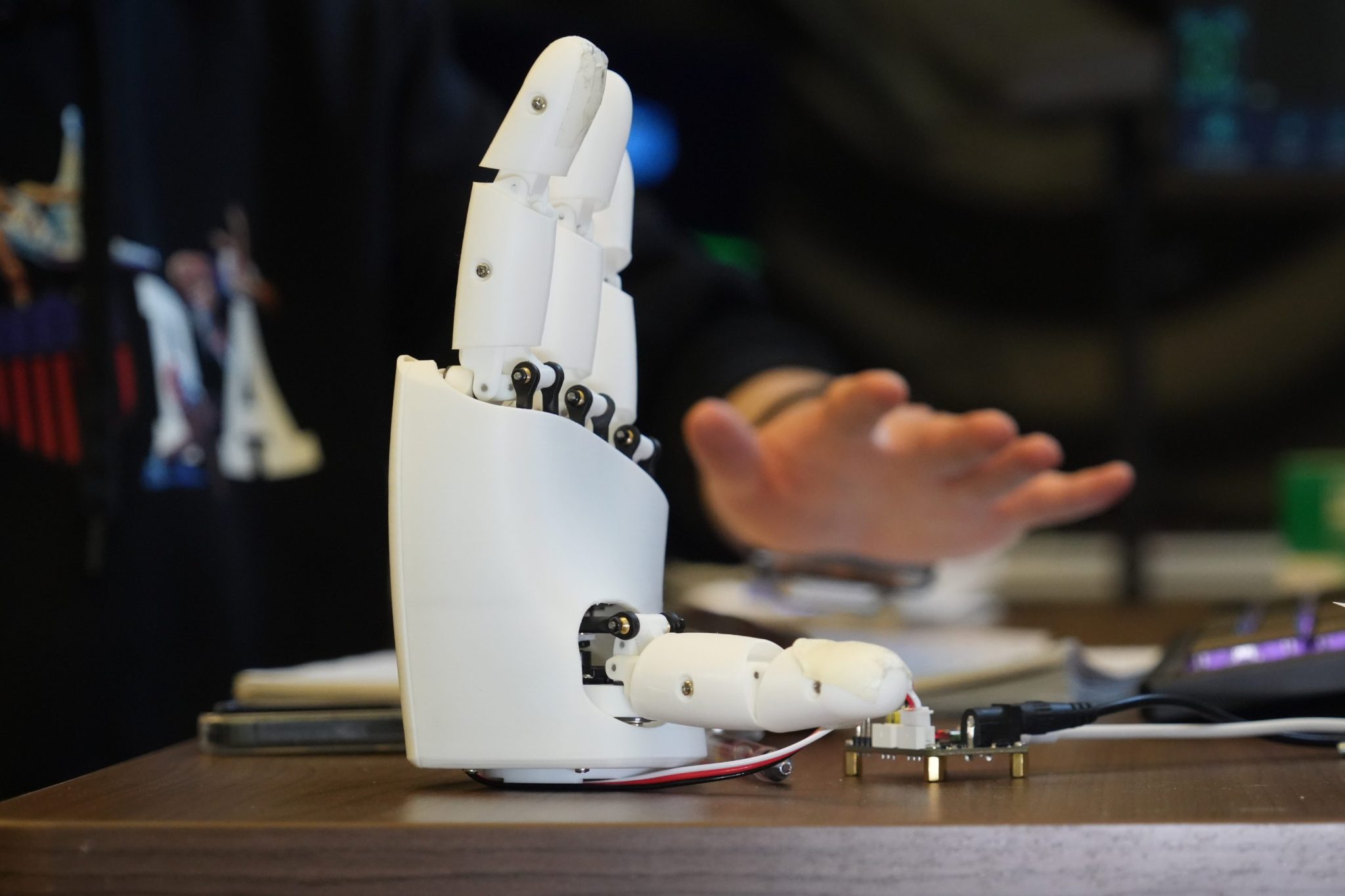
🧠MIT researchers, led by professor Xuanhe Zhao, have developed a wristband technology that enables robots to learn physical tasks through human demonstration, with applications spanning household chores and surgical procedures. This advancement represents a shift in AI development toward solving real-world physical challenges rather than purely digital applications.
AIBullishCrypto Briefing · Jun 87/10
🧠MIT researchers have developed self-evolving AI systems capable of autonomous scientific discovery that can adapt and innovate beyond their initial programming constraints. This advancement represents a significant leap in AI capabilities, potentially accelerating research across multiple scientific disciplines by enabling machines to independently formulate and test hypotheses.
AIBullishCrypto Briefing · May 297/10
🧠MIT researchers have developed MeMo, a technique that improves large language model performance by 26% without requiring model retraining. This approach reduces computational costs and enables efficient adaptation across multiple domains, addressing a major pain point in AI deployment.
AINeutralarXiv – CS AI · May 76/10
🧠Researchers from MIT have released the 2025 AI Agent Index, a comprehensive documentation of 30 state-of-the-art AI agents that catalogs their technical features, capabilities, and safety mechanisms. The index reveals significant transparency gaps among AI developers, particularly regarding safety evaluations and societal impact assessments, highlighting a critical gap between rapid AI agent deployment and public accountability.
CryptoBullishBitcoinist · Apr 217/10
⛓️MIT Digital Currency Initiative director Neha Narula has proposed a practical roadmap for making Bitcoin resistant to future quantum computing threats, advocating for an incremental approach that allows users to secure their coins immediately rather than waiting for network-wide consensus on complex issues like handling dormant addresses.
$BTC
AIBullisharXiv – CS AI · Mar 37/104
🧠MIT researchers introduce VCPO (Variance Controlled Policy Optimization), a new method that improves asynchronous reinforcement learning for LLM training by addressing high variance issues in off-policy settings. The technique dynamically scales learning rates and applies variance control to achieve stable training with 2.5x speedup while maintaining performance.
AIBearishMIT News – AI · Feb 197/104
🧠MIT research reveals that leading AI chatbots deliver less accurate information to vulnerable user groups, including those with lower English proficiency, less formal education, and non-US backgrounds. The study highlights concerning disparities in AI performance that could exacerbate existing inequalities in access to reliable information.
GeneralNeutralMIT Technology Review · Jun 235/10
📰MIT researchers have discovered that rice seeds germinate 30-40% faster when exposed to vibrations from falling water droplets, suggesting plants can detect acoustic signals in their environment. This finding indicates a previously unknown sensory mechanism in plants that may have broad applications in agriculture and plant biology.
GeneralNeutralMIT Technology Review · Jun 236/10
📰MIT researchers have developed PlasmoSniff, a portable chip-scale sensor that can diagnose pneumonia and other lung conditions within minutes by detecting biomarkers in breath samples. The technology represents a significant advance in point-of-care diagnostics, potentially enabling rapid disease identification outside traditional laboratory settings.
AINeutralMIT News – AI · Jun 236/10
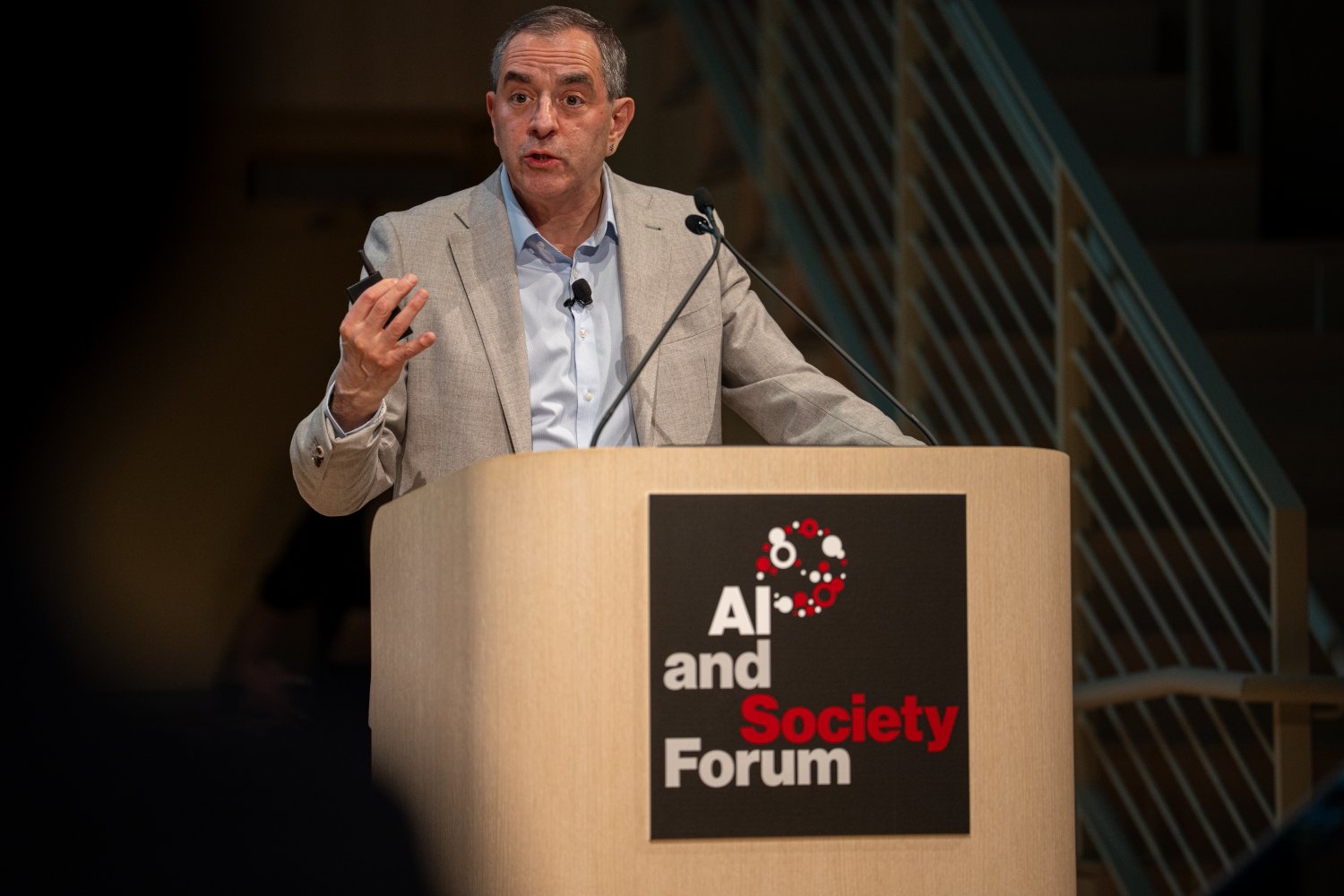
🧠MIT researchers convened at an AI and Society Forum to discuss critical societal implications of artificial intelligence, particularly focusing on employment disruption and threats to democratic institutions. The forum highlights growing institutional concern about AI's transformative impact beyond technical capabilities.
GeneralNeutralMIT News – AI · Jun 195/10
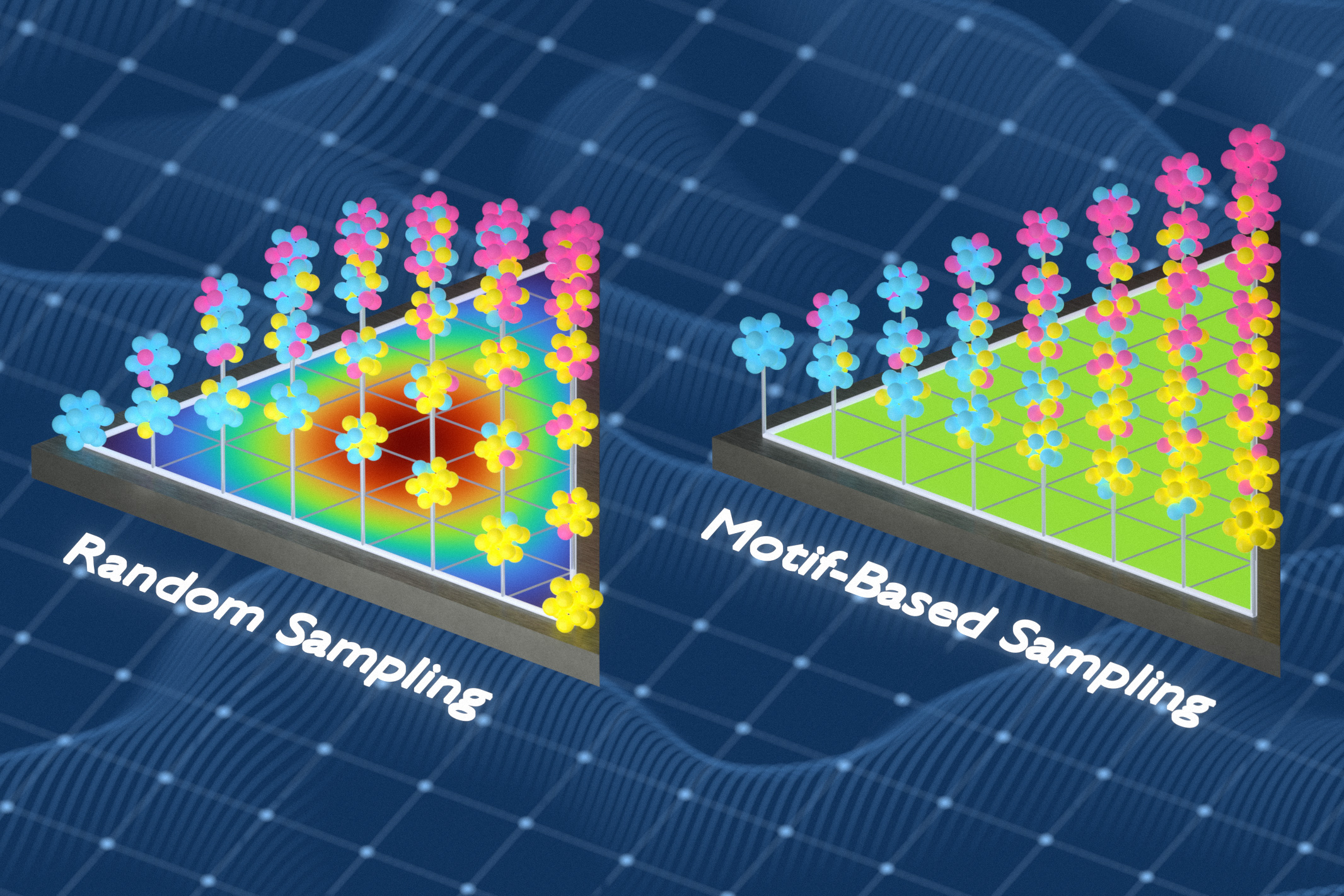
📰MIT researchers have developed an improved computational method for modeling metal alloys that better captures atomic-level patterns and their effects on material properties. This advancement enhances the accuracy of material behavior predictions, which has applications across manufacturing, engineering, and materials science industries.
AINeutralMIT News – AI · Jun 115/10
🧠MIT researchers have advanced random utility models, a framework nearly a century old for predicting consumer preferences, by introducing what they call 'the power of three.' This upgrade enhances the accuracy and applicability of preference prediction across various domains, potentially impacting how businesses model consumer behavior and decision-making.
AIBearishCrypto Briefing · Jun 106/10
🧠An MIT study reveals that while AI systems effectively improve misinformation detection, reliance on these tools paradoxically weakens users' ability to independently identify false information. The research highlights a critical trade-off between technological capability and human skill erosion, underscoring the importance of designing AI systems that augment rather than replace human critical thinking.
AINeutralMIT News – AI · Jun 56/10
🧠The MIT Ethics of Computing Research Symposium convened leading experts to discuss ethical and social considerations in technology development. The event highlights the growing recognition that human-centered perspectives are essential to responsible AI and computing advancement.
AIBullishMIT News – AI · Jun 36/10
🧠MIT researchers demonstrated that smaller AI models can outperform larger ones at asking strategic questions by using the classic game Battleship as a training framework. The findings suggest that efficient questioning strategies could reduce AI inference costs by up to 99 percent while improving performance.
AIBullishMIT News – AI · Jun 36/10
🧠MIT researchers have developed ChartNet, a new training dataset designed to improve vision-language models' ability to interpret charts and visual data. This advancement enhances AI systems used for analyzing business trends and scientific figures, addressing a critical gap in current model capabilities.
CryptoBearishDL News · Feb 246/105
⛓️New research from MIT's Digital Currency Initiative reveals that stablecoins face vulnerabilities beyond reserve quality issues. The study identifies additional structural weaknesses that could affect stablecoins' ability to maintain their pegs to underlying assets.
GeneralNeutralMIT Technology Review · Jun 234/10
📰MIT researchers at CSAIL have developed an adaptable fastener system that improves upon traditional zipper design, with potential applications ranging from tent assembly to medical cast adjustment. The innovation builds on abandoned prototype work by MIT professor William Freeman, offering practical improvements to everyday fastening mechanisms across multiple industries.