
GeneralNeutralarXiv – CS AI · Jun 265/10
#privacy News & Analysis
Recent coverage of #privacy has grown substantially, with 136 articles published in the last 30 days across the indexed collection of 441 total pieces. Discussion sentiment has shifted notably bullish, rising to 86.8% positive—an 18.8 percentage point increase compared to the previous quarter. The conversation centers heavily on artificial intelligence systems, with OpenAI, ChatGPT, and Gemini featuring prominently alongside broader concerns about #security and #machine-learning. Academic research from arXiv dominates the source landscape, complemented by specialist coverage from crypto-focused outlets. The topic frequently intersects with blockchain discussions, particularly around Bitcoin and Ethereum. Scan the articles below to explore how privacy considerations are shaping current debates across technology and digital assets.
sentiment · last 30d (136 articles) · +18.8pp bullish vs prior 90d
Top sources:arXiv – CS AI · 194Blockonomi · 20CoinDesk · 16crypto.news · 15U.Today · 14
Most-discussed entities:OpenAI · 8ChatGPT · 7Gemini · 6Claude · 6Anthropic · 6
1106 articles
GeneralNeutralarXiv – CS AI · Jun 265/10
GeneralNeutralarXiv – CS AI · Jun 265/10
AIBearishWired – AI · Jun 246/10
🧠
How to Opt Out of Google Search’s New AI Data Training Feature
Google has updated its Search history feature to store media uploads—including images from reverse image searches—for training its AI models. Users can now opt out of this data collection, raising questions about consent and data privacy in AI development pipelines.

GeneralNeutralarXiv – CS AI · Jun 245/10
GeneralNeutralarXiv – CS AI · Jun 245/10
GeneralNeutralarXiv – CS AI · Jun 245/10
GeneralNeutralarXiv – CS AI · Jun 245/10
GeneralNeutralarXiv – CS AI · Jun 245/10
GeneralNeutralarXiv – CS AI · Jun 245/10
GeneralNeutralarXiv – CS AI · Jun 245/10
AIBullishThe Verge – AI · Jun 236/10
🧠
Google Home will soon get better at recognizing you
Google Home is enhancing its facial recognition capabilities starting June 23rd, enabling its Familiar Faces feature to identify people even when their faces aren't clearly visible by using non-biometric signals like body size and clothing color. The update also introduces automatic library refreshes to reduce false notifications from outdated images.

CryptoNeutralBlockonomi · Jun 236/10
⛓️
Why More Crypto Users Are Returning to Instant No-KYC Swaps
Cryptocurrency users are increasingly gravitating toward instant, no-KYC (Know Your Customer) swap solutions as a reaction against the industry's progressive shift toward stringent identity verification and regulatory compliance. This trend reflects a fundamental tension between regulatory pressure and the original appeal of crypto—frictionless, permissionless value transfer.
AINeutralDecrypt · Jun 236/10
🧠
A New OpenClaw Competitor: ToqanClaw Promises Privacy in AI Agent Race
Prosus has launched ToqanClaw, a no-code AI platform designed as a European alternative to OpenClaw and other AI agents. The platform emphasizes privacy-first features, positioning itself to capture demand from European users concerned about data sovereignty and regulatory compliance.

CryptoBullishU.Today · Jun 236/10
⛓️
Privacy to Solana (SOL)? How Can It Make the Network Better?
The article discusses how Solana's current market position could be strengthened through the implementation of privacy features on the network. Privacy enhancements are presented as a potential solution to address challenges facing Solana's adoption and competitive positioning.
$SOL
AI × CryptoNeutralcrypto.news · Jun 236/10
🤖
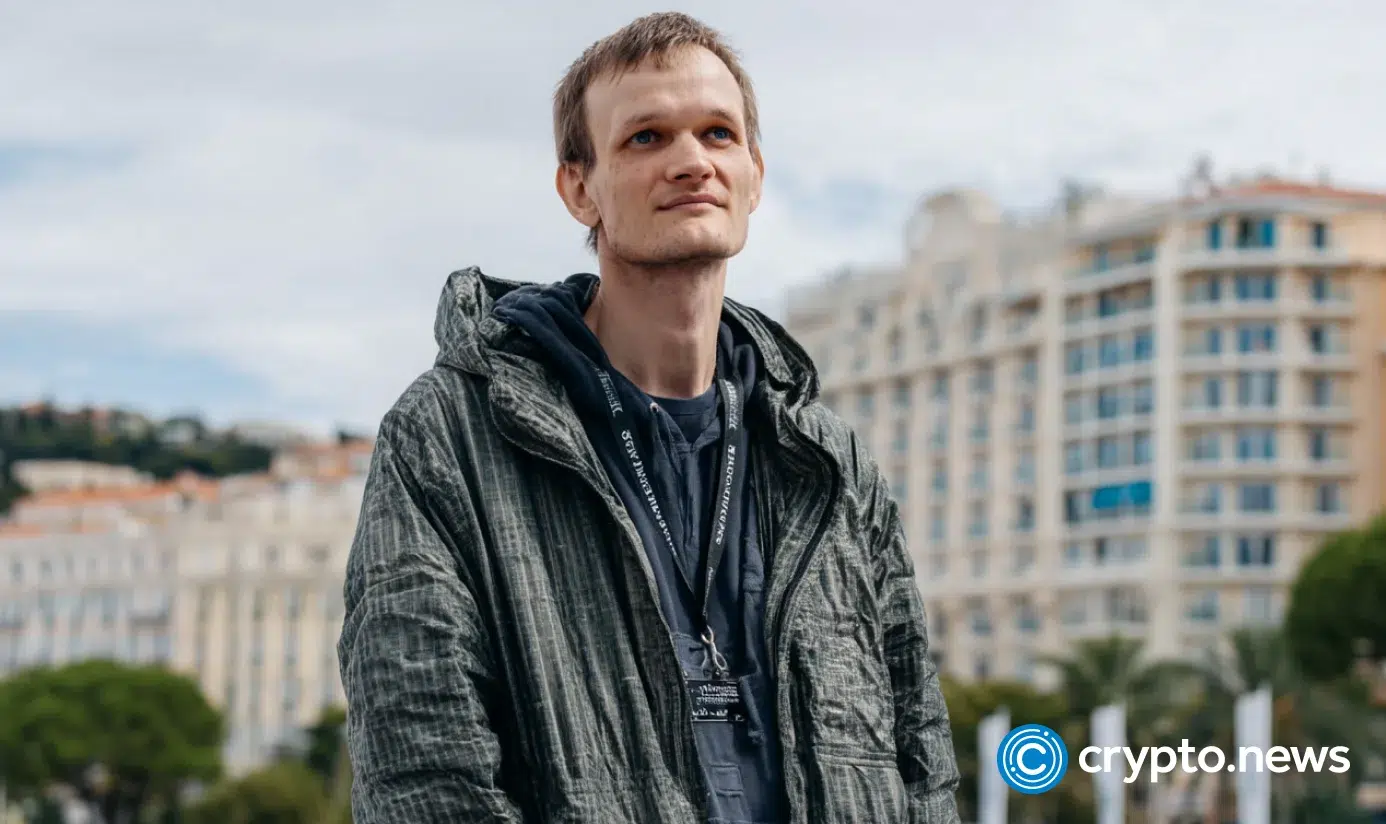
Vitalik Buterin challenges AI to unmask his anonymous Ethereum work
Vitalik Buterin issued a challenge to AI systems to identify an Ethereum document he authored anonymously, highlighting vulnerabilities in online privacy and demonstrating how AI writing analysis tools could potentially de-anonymize technical contributors. The experiment underscores emerging risks around authorship attribution and digital privacy in an increasingly AI-analyzed world.
$ETH
AI × CryptoNeutralU.Today · Jun 226/10
🤖
'Find My Secret Document': Ethereum Co-Founder Buterin Puts AI to Test
Vitalik Buterin, Ethereum's co-founder, is conducting an experiment to test the boundaries of artificial intelligence capabilities and online privacy by challenging AI systems to locate a hidden document. This initiative explores both the potential and limitations of current AI technology in accessing information and raises important questions about privacy, security, and AI reliability.
$ETH
CryptoBullishBitcoin Magazine · Jun 226/10
⛓️
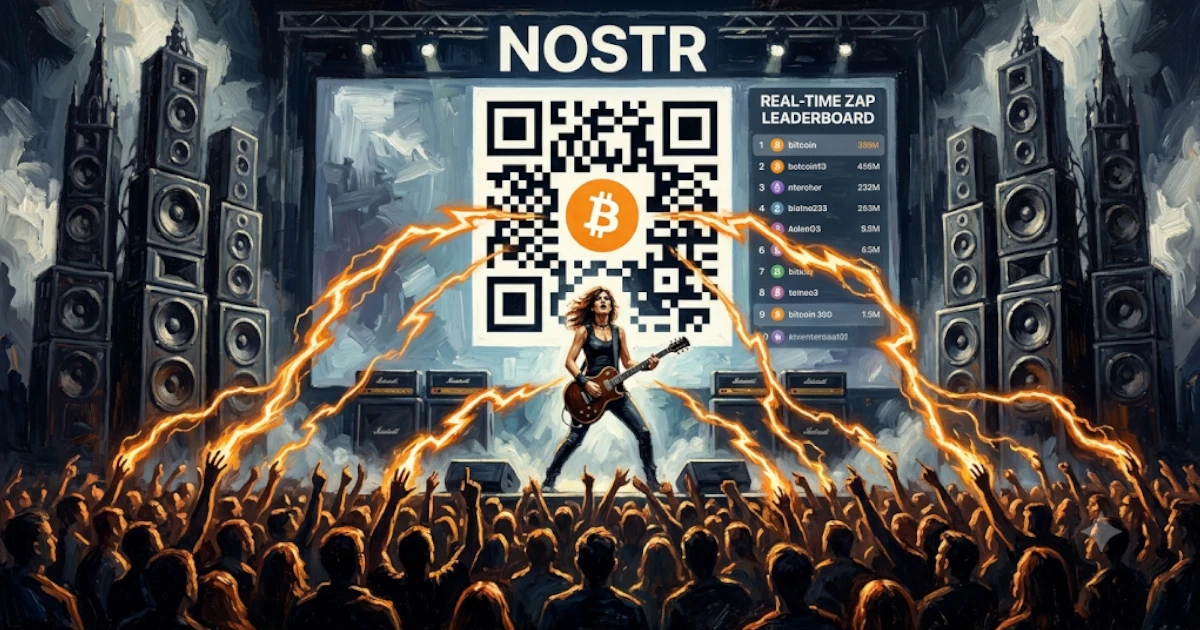
Nostr is the Orange Web: Bitcoin’s Niche and Futuristic Alternative Internet
Nostr, a Bitcoin-integrated protocol created in 2020, enables users to maintain ownership of their followers, content, and data across decentralized applications. The protocol has gained traction among high-profile figures like Edward Snowden and Jack Dorsey, positioning itself as a censorship-resistant alternative to centralized social platforms.
$BTC
CryptoNeutralCoinDesk · Jun 226/10
⛓️
Bitcoin developers want to fix the 'replace this transaction with a higher fee' button. Here's why
Bitcoin developers are working to remove the Replace-By-Fee (RBF) feature that allows users to speed up transactions by paying higher fees. The feature has become a privacy liability, creating a identifiable fingerprint for blockchain surveillance despite its original utility purpose.

$BTC
CryptoNeutralBitcoinist · Jun 216/10
⛓️
Ripple Co-Founder Chris Larsen Listed on Secretive Thiel-Linked Dialog Network, Raising Privacy Questions
Researcher Dave Troy identified Ripple co-founder Chris Larsen on a leaked membership list for Peter Thiel's private Dialog network, a secretive organization that raises questions about privacy practices and the interconnectedness of tech and finance elites. The discovery highlights tensions between transparency and confidentiality within exclusive networks that influence major business decisions.

$XRP
GeneralBearishCrypto Briefing · Jun 216/10
📰
UK government plans social media ban for under-16s, sparking debate over enforcement and privacy
The UK government is considering a social media ban for users under 16, a move that could reshape digital access for young people. Critics worry the policy may drive minors toward less regulated platforms, potentially creating new safety and privacy risks rather than mitigating existing ones.

CryptoBearishProtos · Jun 196/10
⛓️
Ripple’s ‘pro-privacy’ Larsen on surveillance mogul Thiel’s Dialog list
Ripple co-founder Chris Larsen, who has positioned himself as a privacy advocate, has been revealed to be part of Peter Thiel's exclusive Dialog society—an invitation-only network led by a figure known for surveillance interests. The revelation highlights a potential contradiction between Larsen's public privacy stance and his association with Thiel's inner circle.

$XRP
GeneralNeutralCrypto Briefing · Jun 186/10
📰
Google fought US warrant for user data on Capitol riot searches
Google challenged a US government warrant seeking user search data related to Capitol riot investigations, highlighting the tension between law enforcement access and corporate privacy protections. The case underscores broader regulatory debates affecting how tech companies handle user information and government requests.
GeneralNeutralarXiv – CS AI · Jun 175/10
GeneralNeutralarXiv – CS AI · Jun 175/10