Real-time AI-curated news from 92,887+ articles across 50+ sources. Sentiment analysis, importance scoring, and key takeaways — updated every 15 minutes.
GeneralBearishCrypto Briefing · Jun 187/10
📰SpaceX has barred Chinese investors from participating in its upcoming IPO due to national security concerns following revelations about existing Chinese stakes in the company. The move reflects broader U.S. government scrutiny of foreign investment in sensitive aerospace and defense sectors.
GeneralBullishCrypto Briefing · Jun 187/10
📰ECB official Escriva stated that second-round wage inflation effects have not yet materialized, signaling potential interest rate cuts ahead. This development could support economic growth and reshape investment strategies across traditional and digital asset markets.
GeneralNeutralCrypto Briefing · Jun 187/10
📰Mojtaba Khamenei has approved a US-Iran Memorandum of Understanding while rejecting what he considers excessive conditions. The approval signals a potential breakthrough in diplomatic negotiations that could reduce regional tensions and stabilize global oil markets, with implications for broader geopolitical relations.
AINeutralTechCrunch – AI · Jun 187/10
🧠The Federal Energy Regulatory Commission (FERC) mandated that grid operators prioritize interconnection applications from AI data centers, creating an expedited pathway to the electrical grid. However, the directive stops short of addressing the underlying electricity supply shortage that threatens to constrain AI infrastructure expansion.
CryptoBearishCrypto Briefing · Jun 187/10
⛓️Senator Kirsten Gillibrand's son has reportedly raised $30 million to launch a cryptocurrency derivatives exchange. The venture raises potential regulatory and ethical concerns, particularly regarding Gillibrand's legislative influence over crypto policy and possible conflicts of interest.
CryptoBearishCrypto Briefing · Jun 18🔥 8/10
⛓️Trump publicly confirmed US support for Israel in a potential military response to Iran, triggering volatility across cryptocurrency markets as investors reassess risk amid escalating Middle East tensions. The geopolitical escalation underscores how macroeconomic instability and regional conflicts create spillover effects into digital asset pricing and market sentiment.
GeneralNeutralCrypto Briefing · Jun 18🔥 8/10
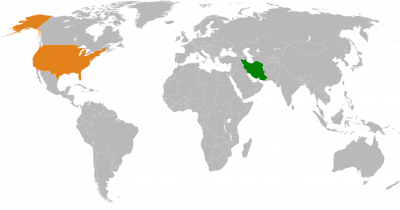
📰The US and Iran have signed an initial peace agreement that lifts oil sanctions and reopens the Strait of Hormuz, with nuclear negotiations to be finalized within 60 days. This geopolitical development has significant implications for global energy markets and cryptocurrency valuations, particularly assets correlated with oil prices and risk sentiment.
GeneralBullishCrypto Briefing · Jun 187/10
📰The US military has lifted its naval blockade on the Strait of Hormuz as US-Iran diplomatic negotiations advance. This development could stabilize global energy markets, reduce geopolitical risk premiums, and create conditions where cryptocurrency gains broader acceptance in international trade settlements.
AIBearishCrypto Briefing · Jun 187/10
🧠Jeremy Grantham warns that Big Tech faces a watershed moment as AI spending reaches $725 billion, with the massive capital deployment likely triggering intensified competition, margin compression, and increased market volatility across technology and correlated sectors.
DeFiBullishCrypto Briefing · Jun 187/10
💎Invesco's Senior Loan ETF has seen payouts decline by 40% following Federal Reserve rate cuts, prompting yield-seeking investors to redirect capital toward decentralized finance platforms. This migration reflects a broader structural shift in how investors source returns as traditional fixed-income vehicles become less attractive in a lower-rate environment.
CryptoBearishThe Block · Jun 187/10
⛓️CME Group has filed a lawsuit against the CFTC, challenging the agency's approval of perpetual futures trading in the United States. The exchange operator contends that the regulator reversed its previous stance without adequate notice, potentially disrupting the derivatives market structure.
GeneralBearishCrypto Briefing · Jun 187/10
📰US options markets have reached a record $8.3 trillion in exposure ahead of the June 18 expiration date, potentially triggering significant market volatility. This unprecedented concentration of derivative positions could create cascading effects across financial markets and influence broader trading behavior and risk management strategies.
CryptoBearishCrypto Briefing · Jun 187/10
⛓️Federal Reserve leadership under Kevin Warsh is signaling a more hawkish monetary policy stance, which could reduce investor appetite for alternative assets like Ethereum and gold. Rising interest rates typically make yield-bearing assets more attractive relative to non-yielding assets, potentially pressuring cryptocurrency and precious metals valuations.
$ETH
GeneralBullishCrypto Briefing · Jun 187/10
📰President Trump has signed a preliminary Iran nuclear deal with Gulf states committing $300 billion to reconstruction efforts. The agreement aims to reduce Middle East tensions, which could stabilize global energy markets and potentially influence cryptocurrency adoption rates in the region.
AINeutralCrypto Briefing · Jun 187/10
🧠The Guardrails Alliance has launched to counter Leading the Future's substantial spending in the 2026 midterm elections, highlighting escalating political tensions around AI regulation. This development signals competing visions for AI policy governance between pro-regulation and industry-friendly factions, with potential implications for future tech legislation and political strategy.
GeneralNeutralCrypto Briefing · Jun 187/10
📰JD Vance has publicly defended a US-Iran peace agreement while cautioning Israel against opposing it, signaling a potential shift in US Middle East policy. The deal could stabilize global oil markets and create downstream effects on cryptocurrency valuations, though it generates domestic political friction and strain with key allies.
AI × CryptoBearishCrypto Briefing · Jun 187/10
🤖IREN faces a substantial $21 billion funding shortfall as it pivots from cryptocurrency mining to AI infrastructure operations. This capital gap underscores execution risks and raises questions about shareholder value during the industry's broader transition away from traditional crypto mining.
GeneralBullishCrypto Briefing · Jun 187/10
📰Iran and the US have agreed to a 60-day ceasefire that stabilizes geopolitical tensions and reduces energy security concerns. The agreement is expected to influence oil market volatility and create cryptocurrency trading opportunities, while potentially unlocking investment capital for energy infrastructure reconstruction in the region.
CryptoBullishCrypto Briefing · Jun 187/10
⛓️Kraken, a major cryptocurrency exchange, has secured a partnership with FIFA, marking a historic milestone for crypto adoption in global sports sponsorships. This collaboration signals growing mainstream acceptance of digital assets and could reshape how financial transactions occur during future international sporting events.
GeneralBearishCrypto Briefing · Jun 18🔥 8/10
📰Hezbollah has launched 'Ashura operations' in response to alleged Israeli ceasefire violations, escalating regional military tensions. This geopolitical development reduces prospects for lasting peace and complicates diplomatic negotiations in the Middle East.
CryptoBearishCrypto Briefing · Jun 187/10
⛓️The U.S. Treasury sold $24 billion in 5-year TIPS (Treasury Inflation-Protected Securities) with a yield near 2%, signaling rising real returns on government bonds. This development could redirect investor capital from speculative assets like cryptocurrency toward safer, yield-bearing securities, potentially weakening crypto's traditional appeal as an inflation hedge.
GeneralBullishCrypto Briefing · Jun 187/10
📰The US and Iran have signed a preliminary deal worth $300 billion that aims to reduce geopolitical tensions and reopen the Strait of Hormuz. The agreement could stabilize global markets by reducing oil supply disruption risks and improving investor confidence in economic recovery.
GeneralBearishCrypto Briefing · Jun 187/10
📰The US Treasury has sanctioned nine Lebanese officials for providing support to Hezbollah, escalating Washington's financial pressure campaign against the militant organization. The move reinforces US efforts to isolate Hezbollah through targeted sanctions and will likely complicate international banking relationships and financial compliance obligations for entities operating in Lebanon.
CryptoNeutralCoinDesk · Jun 187/10
⛓️U.S. regulators including the Federal Reserve and Treasury have proposed the GENIUS Act rule, which would require stablecoin issuers to implement customer identification standards similar to those mandated for traditional banks. The proposed rule is now open for public comment, marking a significant step toward formalizing stablecoin oversight in the regulatory framework.
GeneralBullishCrypto Briefing · Jun 187/10
📰The United States has lifted its naval blockade on the Strait of Hormuz, a critical chokepoint for global oil trade. This diplomatic move is expected to reduce U.S.-Iran tensions and stabilize maritime commerce, with potential ripple effects across energy markets and geopolitical stability.